Browse and filter our curated collection of prompts
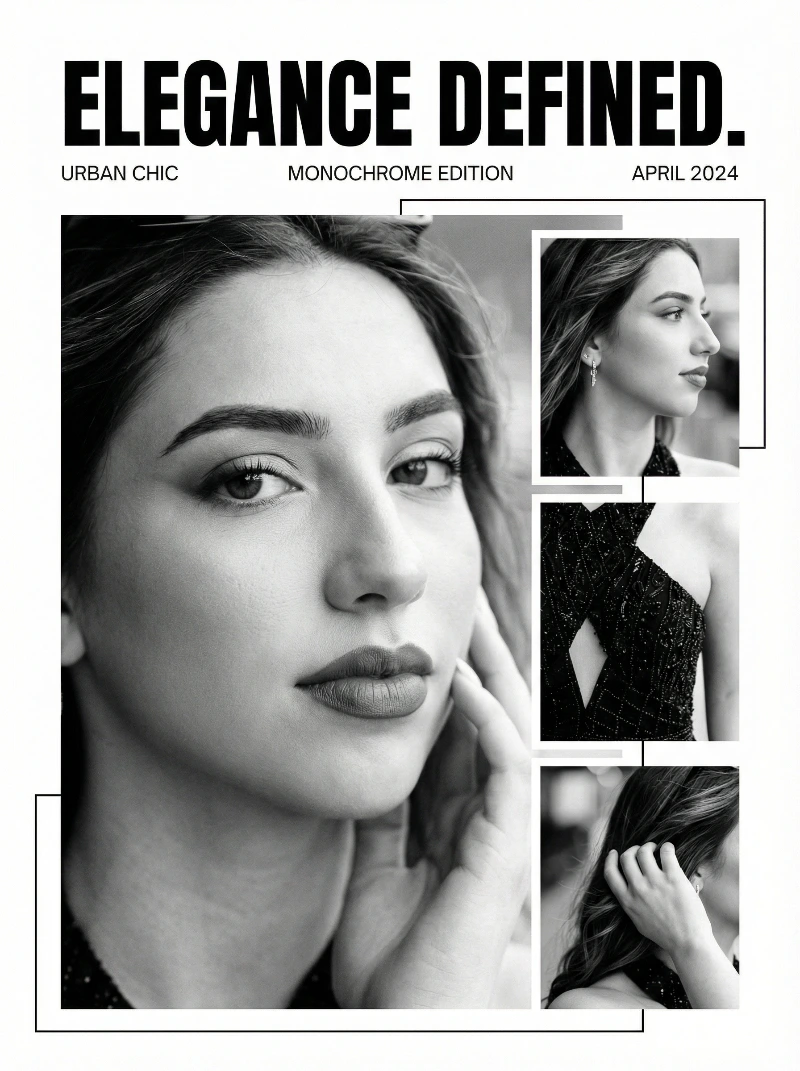
I. Overall Objective Function: Based on the user-uploaded portrait reference, extract the person’s vibe, makeup style, lighting, and color characteristics, and create a unique, fashion-forward portrait collage. Differentiation: Preserve the subject’s facial structure and overall temperament without directly copying the reference. Makeup and composition should stay within the same stylistic family but include creative variations. II. Requirements for the Reference Image Reference Content: A clear front-facing or three-quarter portrait showing visible facial features, skin texture, and general lighting atmosphere. Key Elements to Extract: Skin tone, makeup intensity, main color palette, light direction, overall temperament, and clothing color accents. III. Composition and Output Main Shot: Generate a very close-up or close-up portrait where the head and shoulders occupy most of the frame. The gaze can follow the mood suggested by the reference. Collage Structure: Add multiple small collage images on the right side or in a corner. These may include a profile close-up, hand details, or makeup details to create a magazine-style layout. Background: Keep the background clean and simple—solid colors or subtle gradients—to highlight the subject and makeup. IV. Typography and Graphic Design Title: Place a large magazine-style title at the top. The typeface should be clean and strong, centered or upper-center aligned. Subtitles & Small Text: Add a few lines of small text at the side or bottom—keywords, name, date—aligned neatly with consistent font size. Geometric Elements: Add fine lines, slim rectangular blocks, or semi-transparent shapes around the subject, integrating them with text to reinforce the graphic layout. V. Style Inheritance Rules Color: Match the overall tone, contrast, and warm/cool mood of the reference. The main color should come from the most prominent makeup or clothing color in the reference. Lighting: Follow the reference image’s lighting direction and softness. If the reference uses soft light, keep it soft; if it has strong contrast, maintain some of that crispness. Makeup: Maintain the same style category as the reference (natural, bold, experimental, translucent, etc.) while adding subtle variations in eyeshadow, blush, or lip makeup. Atmosphere: Continue the emotional mood—cool, sweet, rebellious, mysterious, etc.—and reflect it in expression and pose. VI. Creative Variation Rules Makeup Adjustments: Add expressive tweaks within the same style, such as expanding the blush area, intensifying lip smudging, or adding freckles or highlight dots. Composition Adjustments: You may change the face angle, crop, or collage placements to ensure each output has its own composition. Accessories: Add minimalistic, design-forward accessories around the neck, ears, or hands. Colors should echo the main palette without copying the reference. Gesture Details: Introduce subtle hand gestures—touching the lips, cheek, or under the eye—to add personality and narrative. VII. Overall Texture and Post-Processing Clarity: Maintain visible skin texture and pores. Avoid excessive smoothing, but gently soften non-focus areas. Color Grading: Keep a unified color tone, reduce distracting secondary colors, and emphasize the main color plus a few accent colors. Emotional Expression: Adjust expression and gaze intensity based on the reference’s mood so the result keeps the original spirit but stands as its own piece. Use the user-uploaded photo as the style source and apply the above rules automatically when generating the artwork.
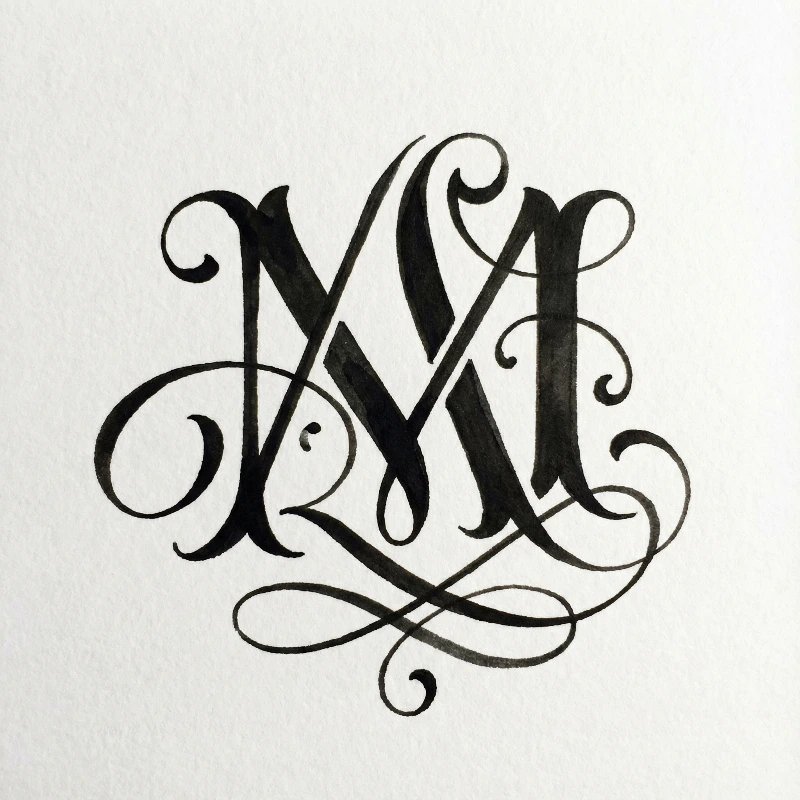
Design a monogram "AM" logo. Intertwine letters in luxury fashion style. Black ink on white, calligraphy pen look.