
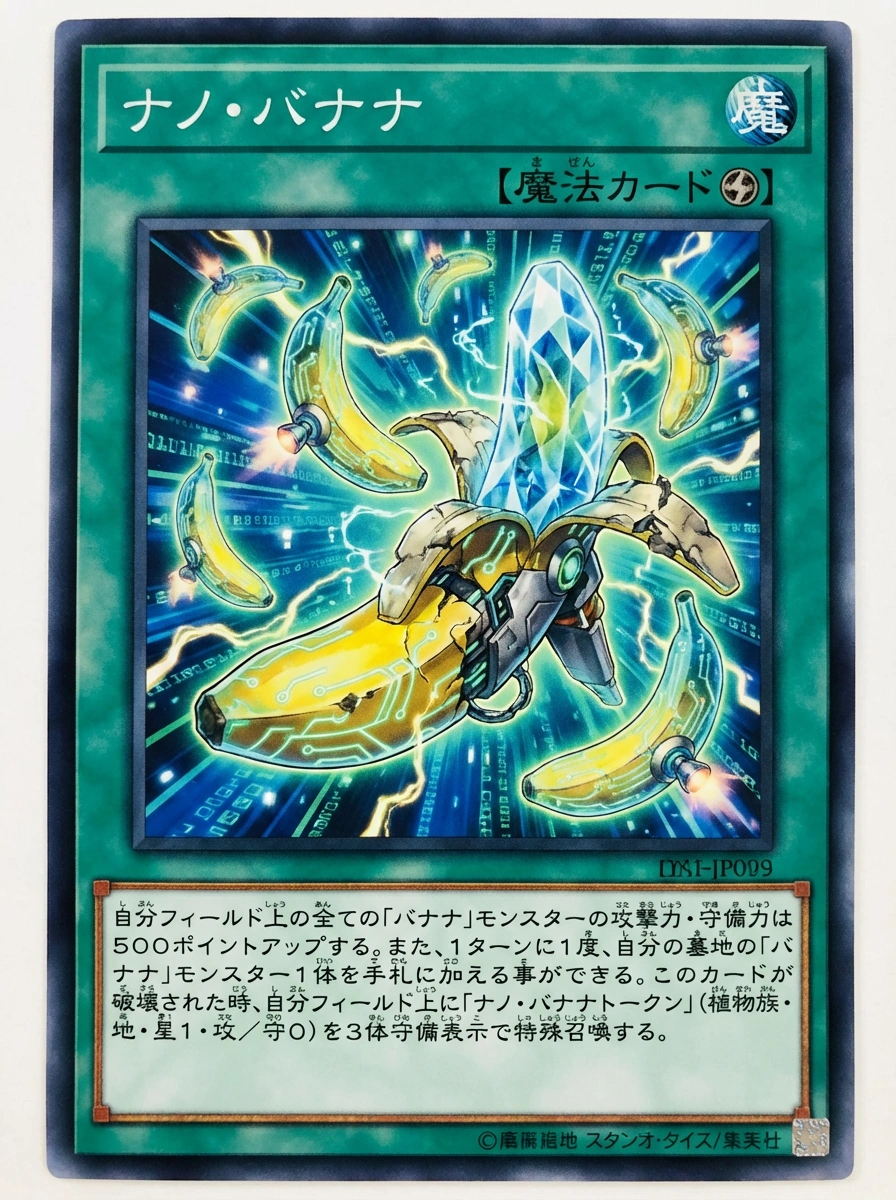
Yu‑Gi‑Oh Magic Card
Prompt
Design a Yu‑Gi‑Oh! magic card. Draw the illustration in the style of official Yu‑Gi‑Oh! artwork, making it appealing. The theme of the card is "Nano Banana" Write the description in Japanese, and do not use furigana or ruby text. The outer background of the card should be white.
Aspect Ratio
Model
Nano Banana ProYou might also like
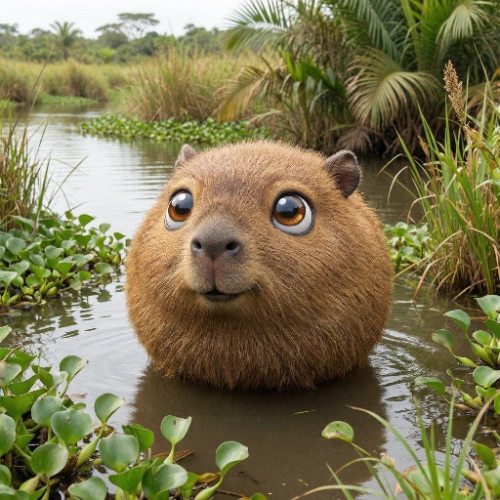
Spherical Cute Animal
Make a photo of a cute ball-shaped version of a [animal: Capybara], with big adorable over-sized eyes, it has no head, instead its face is part of the ball, its head and body are one. They are in their usual habitat. Must be almost spherical and cartoonishly cute. Its eyes are looking up in the most adorable cheeky fashion.
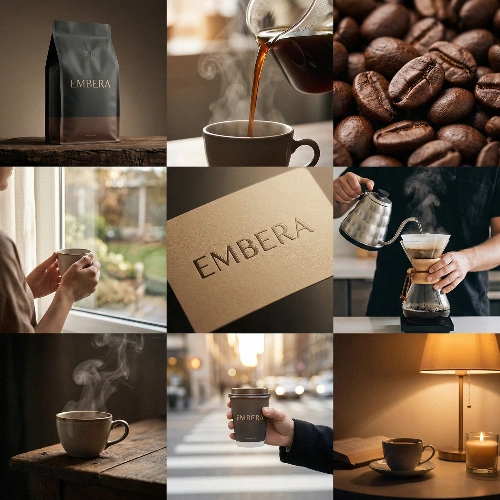
EMBERA Artisan Coffee Grid
{ "Objective": "Create a visually rich 3×3 grid coffee advertisement for EMBERA artisan coffee, blending product beauty, sensory moments, and lifestyle rituals to communicate quality, warmth, and craft.", "Canvas": { "Aspect_Ratio": "1:1", "Grid_Structure": "3×3 equal panels", "Orientation": "Square", "Use_Case": [ "Instagram grid campaigns", "Coffee brand storytelling", "Website visual sections", "Digital and print coffee advertising" ] }, "Panels": [ { "Panel_Number": 1, "Title": "Hero Coffee Package", "Description": "Studio hero shot of EMBERA coffee bag or canister.", "Visual_Details": { "Lighting": "Soft directional light", "Background": "Dark wood or stone surface", "Mood": ["Premium", "Crafted", "Bold"] } }, { "Panel_Number": 2, "Title": "Fresh Brew Pour", "Description": "Coffee being poured into a ceramic cup.", "Visual_Details": { "Focus": "Liquid flow and steam", "Mood": ["Warm", "Inviting"] } }, { "Panel_Number": 3, "Title": "Roasted Bean Detail", "Description": "Macro close-up of roasted coffee beans.", "Visual_Details": { "Texture": "Rich, tactile", "Mood": ["Depth", "Quality"] } }, { "Panel_Number": 4, "Title": "Morning Ritual", "Description": "Person enjoying coffee by a window or table.", "Visual_Details": { "Lighting": "Natural morning light", "Mood": ["Calm", "Routine", "Comfort"] } }, { "Panel_Number": 5, "Title": "Brand Identity Focus", "Description": "Close-up of coffee packaging label or logo.", "Visual_Details": { "Focus": "Typography, material texture", "Mood": ["Identity", "Confidence"] } }, { "Panel_Number": 6, "Title": "Coffee Preparation", "Description": "Hands preparing coffee using a pour-over or espresso machine.", "Visual_Details": { "Mood": ["Craft", "Intentional", "Skill"] } }, { "Panel_Number": 7, "Title": "Cup & Steam Mood", "Description": "Coffee cup with visible steam rising.", "Visual_Details": { "Lighting": "Low-key, atmospheric", "Mood": ["Warmth", "Comfort"] } }, { "Panel_Number": 8, "Title": "Lifestyle On-the-Go", "Description": "Coffee cup held while walking or commuting.", "Visual_Details": { "Motion": "Subtle movement", "Mood": ["Energy", "Modern lifestyle"] } }, { "Panel_Number": 9, "Title": "Evening Coffee Atmosphere", "Description": "Moody shot of coffee setup under warm low light.", "Visual_Details": { "Lighting": "Candlelight or warm lamp glow", "Mood": ["Relaxed", "Sophisticated"] } } ], "Branding": { "Product_Name": "EMBERA", "Brand_Personality": "Warm, artisanal, modern", "Color_Palette": ["Espresso Brown", "Warm Beige", "Charcoal Black"], "Typography": "Modern serif or refined sans-serif" }, "Visual_Style": { "Style_Keywords": [ "Premium coffee advertising", "Editorial food photography", "High realism", "Warm tones", "Minimal clutter" ] }, "Camera_And_Lighting": { "Photography_Type": "Commercial and editorial hybrid photography", "Shot_Types": [ "Hero product shot", "Macro detail", "Lifestyle scene" ], "Lighting_Style": "Natural light mixed with soft studio lighting", "Exposure": "Balanced with rich shadows", "Shadows": "Soft to moody depending on panel" }, "Mood_Keywords": [ "Warm", "Crafted", "Inviting", "Modern", "Comforting", "Premium" ], "Negative_Prompt": [ "Flat lighting", "Watery coffee appearance", "Cheap packaging", "Overexposed highlights", "Cluttered scenes", "Unreadable branding", "CGI or cartoon style", "Oversaturated colors", "Watermarks", "Text overlays" ] }
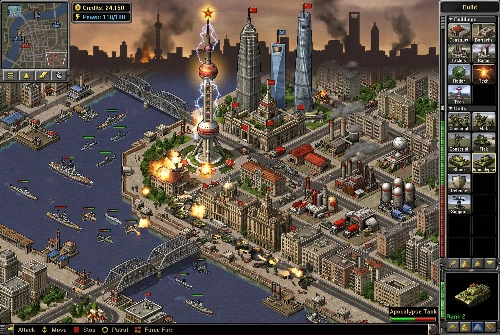
Retro Shanghai RTS Battle
Retro real-time strategy game screenshot in the visual style of the classic 2000s RTS game Red Alert 2. Isometric top-down battlefield map set in modern Shanghai, China. The terrain, roads, rivers, and city layout resemble Shanghai, with recognizable landmarks adapted into RTS game structures: Oriental Pearl Tower functioning as a tech structure, Shanghai Tower and Jin Mao Tower appearing as tall futuristic command buildings, Bund waterfront converted into defensive structures and walls, Huangpu River crossing the map with RTS bridges. Dense Shanghai urban districts turned into RTS base layouts with factories, power plants, radar domes, barracks, and refineries designed using Shanghai architectural elements and Chinese urban aesthetics. Classic RTS base-building scene: construction yards, tank factories, power plants, radar dishes, missile turrets, and supply depots integrated with Shanghai-style buildings and skyline silhouettes. Units include tanks, infantry squads, helicopters, and naval units moving around the Huangpu River. Explosions, smoke, and battle effects typical of early 2000s RTS games. Authentic retro game interface: classic RTS UI panels, minimap in the corner, unit selection boxes, build menu icons, health bars above units, resource counters, and command buttons similar to early RTS interfaces. Pixel-art inspired textures and slightly low-resolution sprites to mimic early 2000s PC game graphics. Camera perspective: classic isometric RTS camera angle from above, showing a large portion of the battlefield and city layout. Bright strategic map colors with clear terrain segmentation for roads, water, buildings, and base structures. Atmosphere: busy battlefield in a stylized Shanghai warzone, tanks rolling through city streets, defensive turrets near landmarks, helicopters flying over the skyline, naval units in the Huangpu River. Nostalgic early-2000s PC game aesthetic, detailed RTS battlefield composition, cinematic but clearly recognizable as a game screenshot.
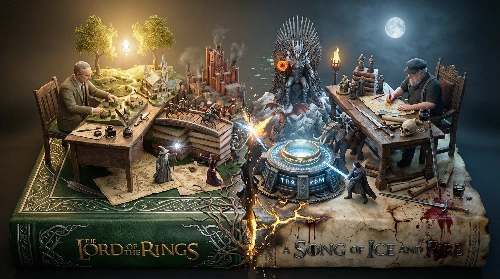
Tolkien vs Martin: Literary Clash
Author1: George R. R. Martin Author2: J. R. R. Tolkien -- Input Variable: [INSERT AUTHOR 1] vs. [INSERT AUTHOR 2] (e.g., J.R.R. Tolkien vs. George R.R. Martin, Arthur C. Clarke vs. Isaac Asimov, Jane Austen vs. the Brontë Sisters) System Instruction: Generate a hyper-detailed, macro 3D diorama of a "Literary Battleground." Use the following logic to create a scene of narrative conflict and fusion: Profile & Duality: Analyze both Inputs: Identify each Author's Vibe, Artifacts, and Magnum Opus. The Conflict: Define the core thematic opposition (e.g., Tolkien's Good vs. Evil vs. Martin's Moral Ambiguity; Clarke's Cosmic Indifference vs. Asimov's Human-centric Order). The Fusion: Identify 3-5 hybrid concepts where their worlds might merge (e.g., A Sauron-like figure on the Iron Throne; A positronic brain trying to interpret a Monolith). Container: The Base: A massive, ancient "Yggdrasil-like" Book whose trunk is split down the middle, forming two distinct covers. Texture: Each half of the book's cover texture reflects its author (e.g., Elven-leaf tooled leather vs. cracked, blood-spattered vellum). The Title: Each spine features the respective author's most famous title, but the gold leaf is "bleeding" across the divide. Workspace: The Desk: A single, massive writing desk is cleaved in two by the book. Each side is period-accurate to its author. The Authors: Two 1:12 scale figures, one on each side, are locked in a creative duel. One might be meticulously world-building, the other furiously red-penciling a map. The Clutter (Density Layer 1): The desk is a chaotic mix of both worlds. Crumpled manuscript pages from one author are used as coasters for the other's drink. Quills share space with typewriters. Manifestation: CRITICAL: The two fictional worlds are in a state of open war, using the desk as the no-man's-land. The "Micro-Population": Tiny characters from both universes are in direct conflict. (e.g., Rohirrim charging Dothraki spearmen; R2-D2 trying to reason with HAL 9000). The "Terrain Bleed": The environments are actively terraforming the desk. (e.g., The Shire's gentle hills are being overrun by the gritty, soot-stained streets of King's Landing; A crystal forest from Clarke's work is being colonized by Asimov's metallic robots). The Hybrid Artifacts: The most iconic artifacts are fused into new, paradoxical objects. (e.g., The One Ring is embedded in a Foundation base; A lightsaber hilt is crafted from a white walker's ice). Lighting & Atmosphere: Primary Light: Two conflicting light sources. Tolkien's side is lit by warm, golden "Valinor" light. Martin's side is lit by harsh, cold "Westerosi" moonlight. Secondary Light: The energy from the conflict itself—magical sparks, digital glitches, and clashing auras erupt where the two worlds meet. Scale: Extreme macro with a Tilt-Shift effect, emphasizing the epic nature of the conflict on a miniature scale. Output: ONE image, 16:9 Aspect Ratio, Octane Render, "Epic Clash" level of detail, Dynamic/Dramatic Aesthetic.
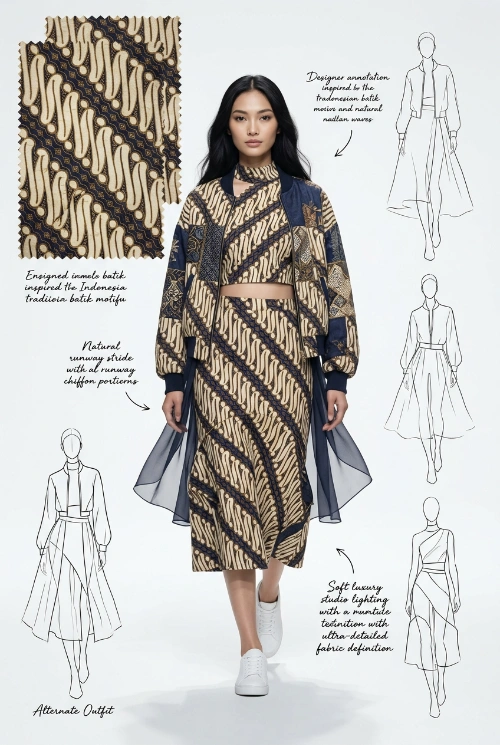
Ultra-Premium Batik Couture Board
{ "prompt": "Ultra-premium luxury fashion designer concept board on a pristine white studio canvas, inspired by high-end couture fashion houses. CENTER MODEL A tall slender Javanese female fashion model with elegant runway proportions walking gracefully in a natural runway stride pose. FASHION THEME Modern couture fashion inspired by traditional Indonesian Batik Parang motif. The textile pattern features flowing diagonal blade-like waves and repeating curved lines with rich tones of deep indigo, warm ivory, and antique gold. OUTFIT DESIGN • Cropped asymmetric mock-neck top decorated with the batik pattern • Relaxed oversized bomber jacket with patchwork batik panels and soft semi-transparent chiffon layers flowing from the waist • Sculptural segmented midi skirt with modern architectural silhouette • Minimalist clean white sneakers MODEL APPEARANCE Long jet-black hair with soft natural waves, delicate oval face, natural makeup, calm confident expression. DESIGN BOARD ELEMENTS • Top-left: enlarged fabric swatch showing the batik texture • Right side: three minimalist fashion sketches • Lower-left: alternate outfit sketch • Elegant handwritten designer annotations across the board LIGHTING Soft luxury studio lighting with subtle shadows and detailed textile highlights. STYLE High-end couture design board, editorial fashion presentation, masterpiece quality, ultra-detailed fabric texture." }

Whimsical 3D Cartoon Character
A 3D cartoon-style render of a [subject], with a soft matte translucent body in [color1] and glowing [color2] accents. Features include oversized head, exaggerated facial features, and fun accessories. Subtle internal glow and ambient lighting, centered on a dark gradient background. Stylized in a playful and imaginative atmosphere.
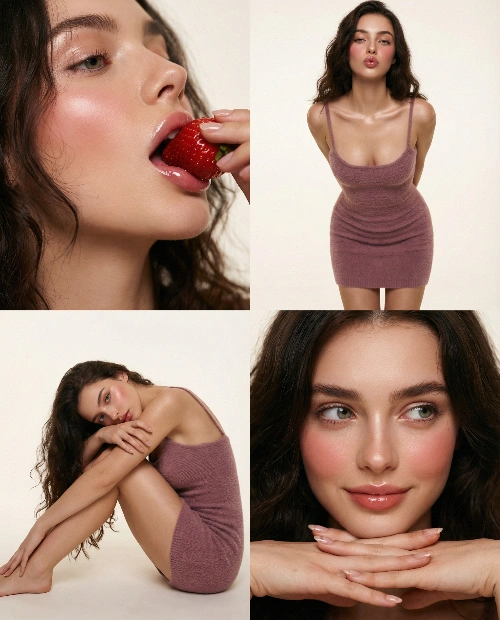
Ultra-Real Beauty Grid
{ "project_specifications": { "format": "2x2 Grid Collage", "aspect_ratio": "4:5", "aesthetic_style": "High-end Beauty Editorial", "rendering_engine_hints": { "realism_level": "Ultra-photorealistic", "texture_quality": "8k", "lighting_simulation": "Ray-traced studio lighting" } }, "global_assets": { "subject_definition": { "hair": { "style": "Long, loosely wavy, voluminous", "texture": "Natural, individual strands defined", "behavior": "Messy but styled, framing face and shoulders" }, "complexion": { "skin_texture": "Porous, hyper-realistic", "finish": "Dewy, glass-skin effect", "makeup": { "cheeks": "Heavy flush/blush", "lips": "High-gloss, plump, natural pink", "eyes": "Clean, defined lashes, natural brows" } }, "wardrobe": { "item": "Mini dress", "fit": "Bodycon / Tight", "fabric": { "material": "Soft textured knit / Boucle", "tactility": "Fuzzy, light-catching fibers", "color": "Soft mauve or neutral taupe" }, "details": "Spaghetti straps, mid-thigh length" } }, "environment_definition": { "studio_setup": { "background": "Seamless paper, soft off-white/beige", "atmosphere": "Clean, warm, intimate" }, "lighting_rig": { "key_light": "Large diffuse softbox (Front-Left)", "fill_light": "Reflector (Right)", "highlights": "Specular highlights on lips, cheekbones, and shoulders" } } }, "panel_architecture": [ { "position": "Top-Left (1)", "shot_type": "Extreme Close-Up (Macro)", "composition": { "angle": "Low angle, looking up slightly", "focus": "Mouth and nose area", "depth_of_field": "Shallow" }, "action": { "primary": "Eating a strawberry", "nuance": "Delicate finger hold, lips slightly parted" }, "visual_anchors": [ "Moisture on strawberry surface", "Gloss reflection on lips", "Baby hairs at temple" ] }, { "position": "Top-Right (2)", "shot_type": "Medium Shot (Thigh-up)", "composition": { "angle": "Eye level", "pose_dynamic": "Leaning forward slightly towards lens" }, "action": { "stance": "Standing straight on", "arms": "Relaxed at sides", "expression": "Direct gaze, alluring pout" }, "visual_anchors": [ "Texture of knit dress", "Collarbone shadows", "Curvature of waist" ] }, { "position": "Bottom-Left (3)", "shot_type": "Full Body (Seated)", "composition": { "angle": "Side profile", "framing": "Subject compacted on floor" }, "action": { "pose": "Knees to chest (fetal position variation)", "interaction": "Cheek resting on knee, arms embracing legs", "hair_flow": "Cascading onto the floor" }, "visual_anchors": [ "Smooth leg definition", "Dress stretching over thigh", "Dreamy gaze" ] }, { "position": "Bottom-Right (4)", "shot_type": "Beauty Portrait (Head & Hands)", "composition": { "angle": "Frontal close-up", "framing": "Chin to hairline" }, "action": { "gesture": "Chin resting on interlaced fingers", "expression": "Soft smile, looking off-camera" }, "visual_anchors": [ "Hand detail and manicure", "Eye clarity", "Flush on cheeks" ] } ] }
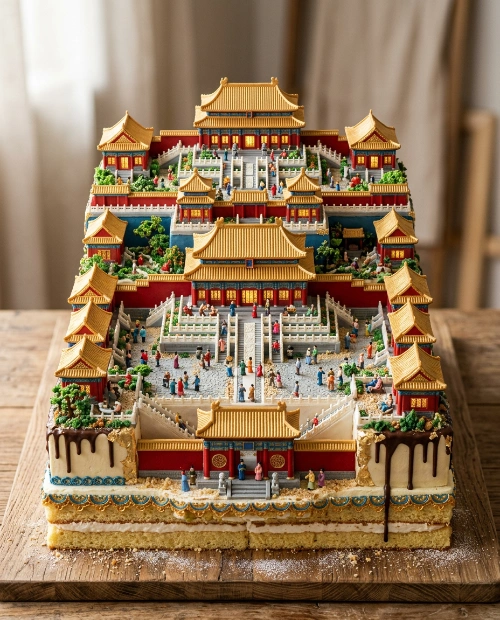
Edible Forbidden City Cake
MONUMENT: The Forbidden City Photorealistic hero product photography shot on Sony A7III with 85mm f/1.4 lens at f/2.8, soft natural daylight from upper left creating gentle realistic shadows and visible surface textures: A giant famous [MONUMENT] masterfully recreated as a delicious multi-tiered edible cake. Visible fluffy sponge cake layers, thick silky buttercream frosting, smooth fondant details, subtle edible gold leaf accents, realistic cake crumbs and ganache drips. The cake tiers ingeniously transformed into a luxurious miniature vibrant living city with tiny glowing windows, staircases, gardens and balconies built into the frosting and sponge. Miniature visitors in tiny colorful clothes walk the buttercream pathways, relax on cake terraces, sip tiny drinks and take photos. Intricate realistic cake textures mixed with whimsical architecture, physically plausible yet surreal. Shot for a luxury architecture magazine cover, ultra-detailed 8K, perfectly centered square composition, no text, no artifacts.