This article is part of our collection at Banana Prompts, where you can explore high-quality Nano Banana prompts.
The Realism Paradox: Stock Photo vs. Cinematic
When it comes to AI-generated art, realism is a double-edged sword. What looks "real" to one person might look "fake" to another. The two models approach this differently.
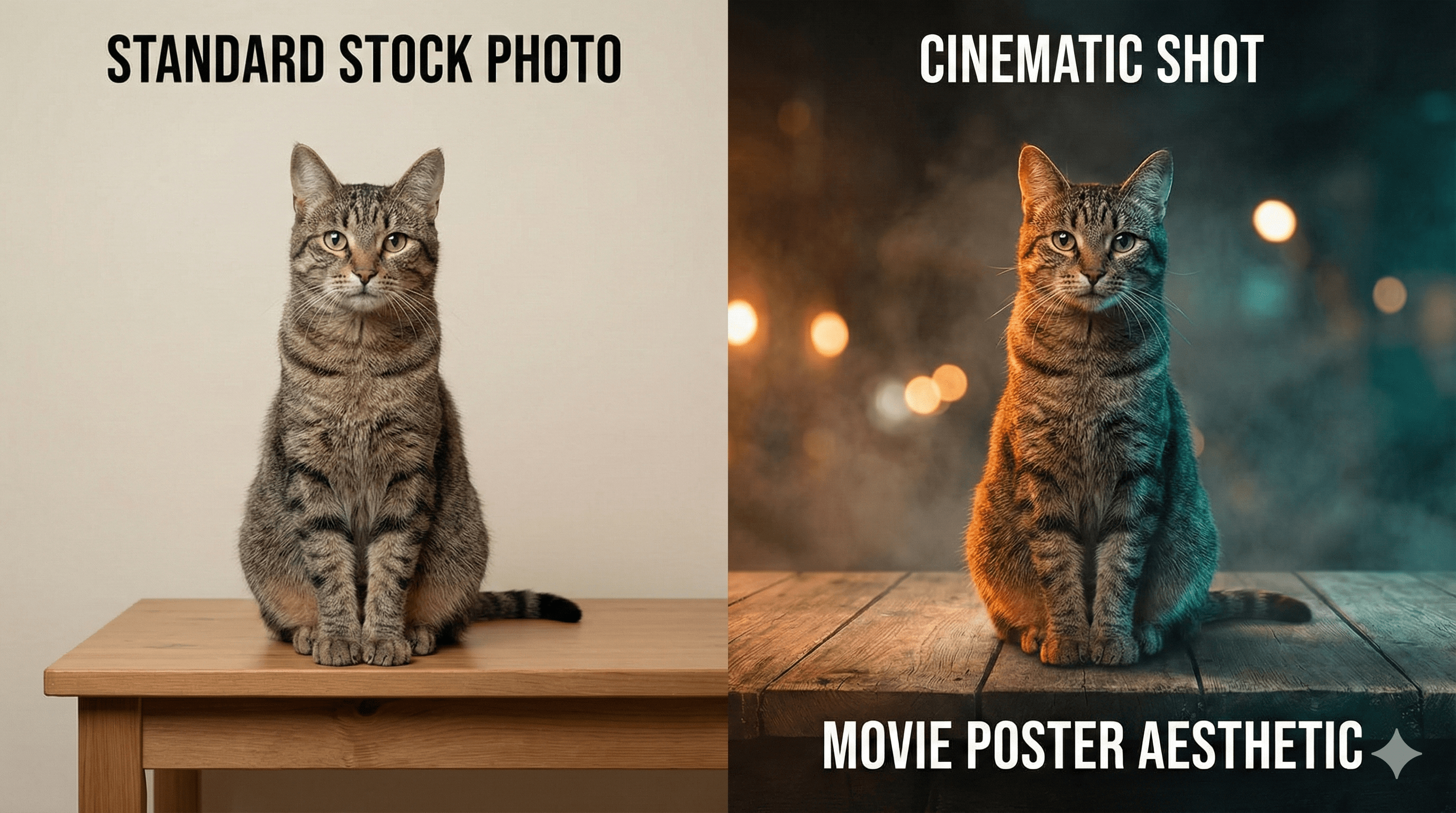
Nano Banana Pro: The "Stock Photo" Realism
Nano Banana Pro doesn't just generate images; it constructs them. It understands physics, perspective, and lighting in a way that makes its outputs look like they could be pulled from a professional stock photo library.
Texture & Grit: While it excels at inorganic textures (stone, metal, glass), it can sometimes make human skin look waxy or overly smoothed, resembling studio portraits rather than candid photos.
The "Boring" Strength: Its realism is consistent and predictable. When you ask for a "cat on a table," you get a cat on a table—no extra limbs, no impossible lighting, no hallucinated objects.
MidJourney V7: The "Cinema" Realism
MidJourney doesn't want to show you reality; it wants to show you the movie version of reality.
Texture & Grit: MidJourney V7 is the undisputed king of texture. Pore density, fabric weave, rust, peeling paint, and dust—it renders these with a tactile quality that makes you want to touch the screen. It embraces imperfection (film grain, chromatic aberration) as an aesthetic choice.
The "Over-Cooked" Syndrome: In the "Cinematic Landscape" test involving Icelandic beaches, MidJourney produced waves so massive they looked apocalyptic. It prioritized the drama of the prompt over the physics of the ocean. It looked incredible, but it didn't look like a travel photo; it looked like a concept art piece for Game of Thrones.
Detailed Comparison of Realism Failures
| Failure Mode | Nano Banana Pro (The "Stock Photo" Fail) | MidJourney V7 (The "Fantasy" Fail) |
|---|---|---|
| Skin Texture | Can appear waxy, overly smoothed, or "plastic" in neutral lighting. | Can appear "too detailed," with exaggerated pores and grit that looks like HDR abuse. |
| Lighting | Sometimes flat or overly even, resembling studio stock photography. | Often overly dramatic with excessive rim lighting and "orange/teal" color grading. |
| Crowds/Backgrounds | Tendency to clone faces or make background characters look generic/uniform. | Tendency to hallucinate strange artifacts (extra limbs) in the background bokeh. |
| Physics | Generally accurate, but can be "boring" or rigid in composition. | Often defies physics for the sake of composition (e.g., massive moons, impossible waves). |
The Consistency Paradox: Omni-Reference vs. The 14-Slot Fusion
For anyone using AI for professional work—graphic novels, branding, storyboards—consistency is the Holy Grail. You don't just need a character; you need that character, in a different shirt, eating a sandwich.
Nano Banana’s Multi-Image Fusion
Nano Banana approaches consistency as a logic puzzle. It allows you to upload up to 14 reference images, with specific slots designated for "Objects" (up to 6) and "Humans" (up to 5). This is not a "suggestion" to the model; it is a constraint.
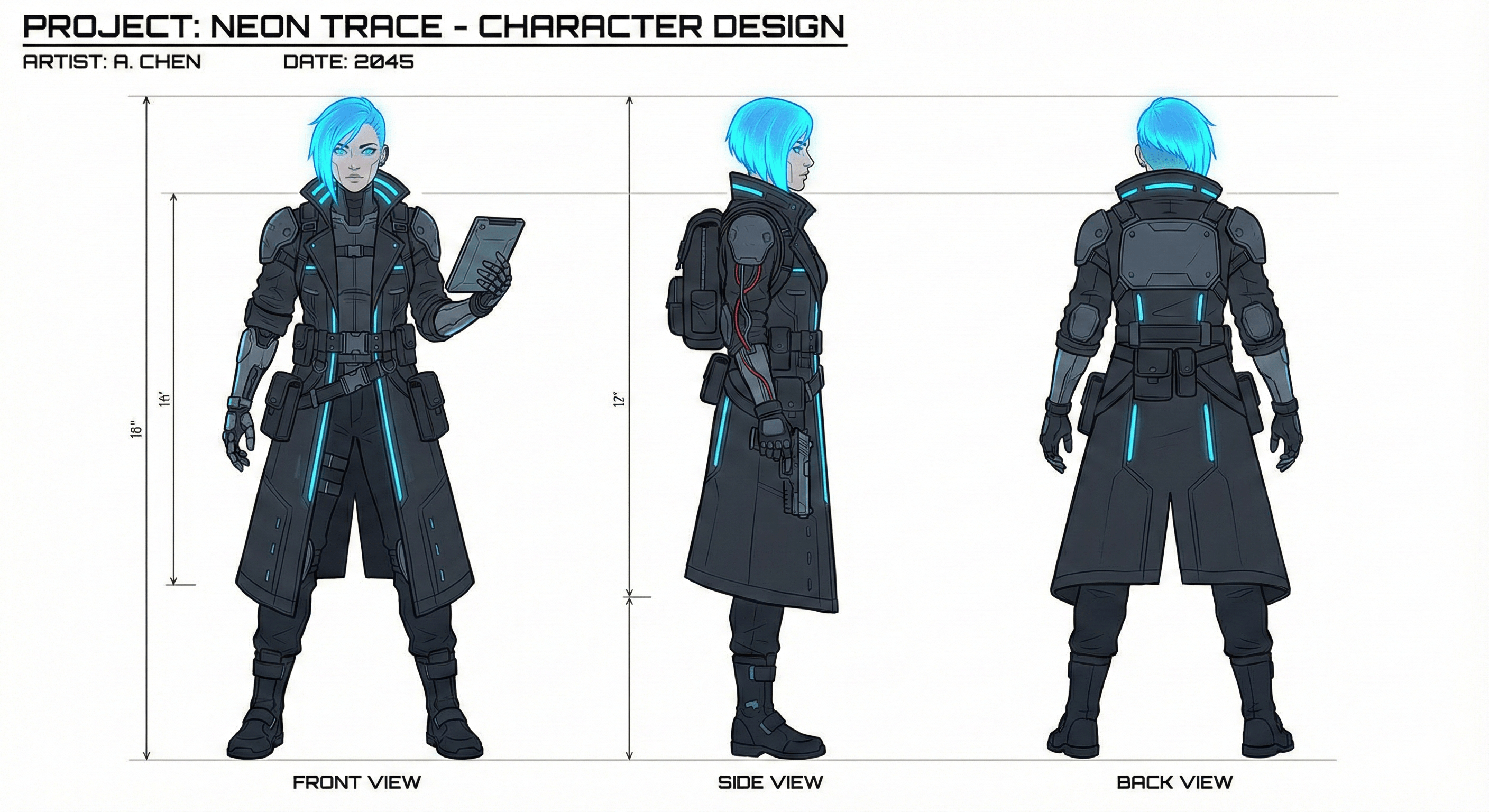
Identity Locking: Because Nano Banana "sees" the reference image using its multimodal vision, it understands the structure of the face. It doesn't just copy the pixels; it builds a 3D mental model of the subject. In testing, users found it could take a single front-facing image and generate accurate side and back profiles for a "3D character sheet" with remarkable fidelity.
Compositing Power: The "Fusion" capability is where it shines. You can upload a photo of a person (Image A) and a photo of a dress (Image B) and ask it to "put Person A in Dress B." Nano Banana acts like a compositor, blending the two sources while maintaining the identity of both.
The "Stubborn" Downside: Sometimes, the model’s adherence to the reference is too strong. Users have reported that when asking to change a pose, the model simply returns the original image because it refuses to "break" the reference consistency.
MidJourney’s Omni Reference (--oref)
With Version 7, MidJourney introduced the Omni Reference (--oref) parameter, unifying its previous character (--cref) and style (--sref) references into one powerful tool.
The Weighting Game: The power lies in the --ow (Omni Weight) parameter, which ranges from 0 to 1000. Low weights (0-300) transfer the "vibe" or style of the reference. High weights (400-1000) lock in specific details like facial features and logos.
Vibe over Geometry: MidJourney is exceptional at transferring the feeling of a character. If you reference a "gritty detective," it will maintain that grit across scenes. However, it often hallucinates small details—buttons change sides, scars move, hair texture shifts.
The Verdict on Consistency:
- Use Nano Banana if you need "Blueprint Consistency"—the exact same face, exact same logo, exact same product geometry. Ideal for e-commerce and technical storyboarding.
- Use MidJourney if you need "Cinematic Consistency"—the same actor playing a role, where the lighting and mood matter more than the number of buttons on their shirt.
Artistic Style: The Soul of the Machine
If realism is about copying the world, artistic style is about interpreting it. This is MidJourney’s home turf, but the Banana has brought some surprisingly effective tricks to the party.
MidJourney: The Style Sponge
MidJourney V7’s style reference system (--sref) is widely considered the gold standard for creative exploration.
Abstract & Surreal: MidJourney understands "vibe" better than any logical prompt could describe. It handles abstract concepts ("a feeling of melancholic nostalgia in the shape of a geometric cube") by accessing its vast latent associations.
Painterly Quality: Whether it is oil, watercolor, or impasto, MidJourney simulates the medium. You can see brush strokes, paper grain, and ink bleed.
Parameter Control: The --stylize (or --s) and --chaos (--c) parameters allow granular control over how much the AI hallucinates. High stylization values in V7 produce intricate, baroque details that often defy logic but look spectacular.
Nano Banana: The "Bandai" Surprise
For a long time, Google models were considered "boring" and "stock-photo-like." Nano Banana Pro changed that narrative with its "Bandai-style" viral moment.
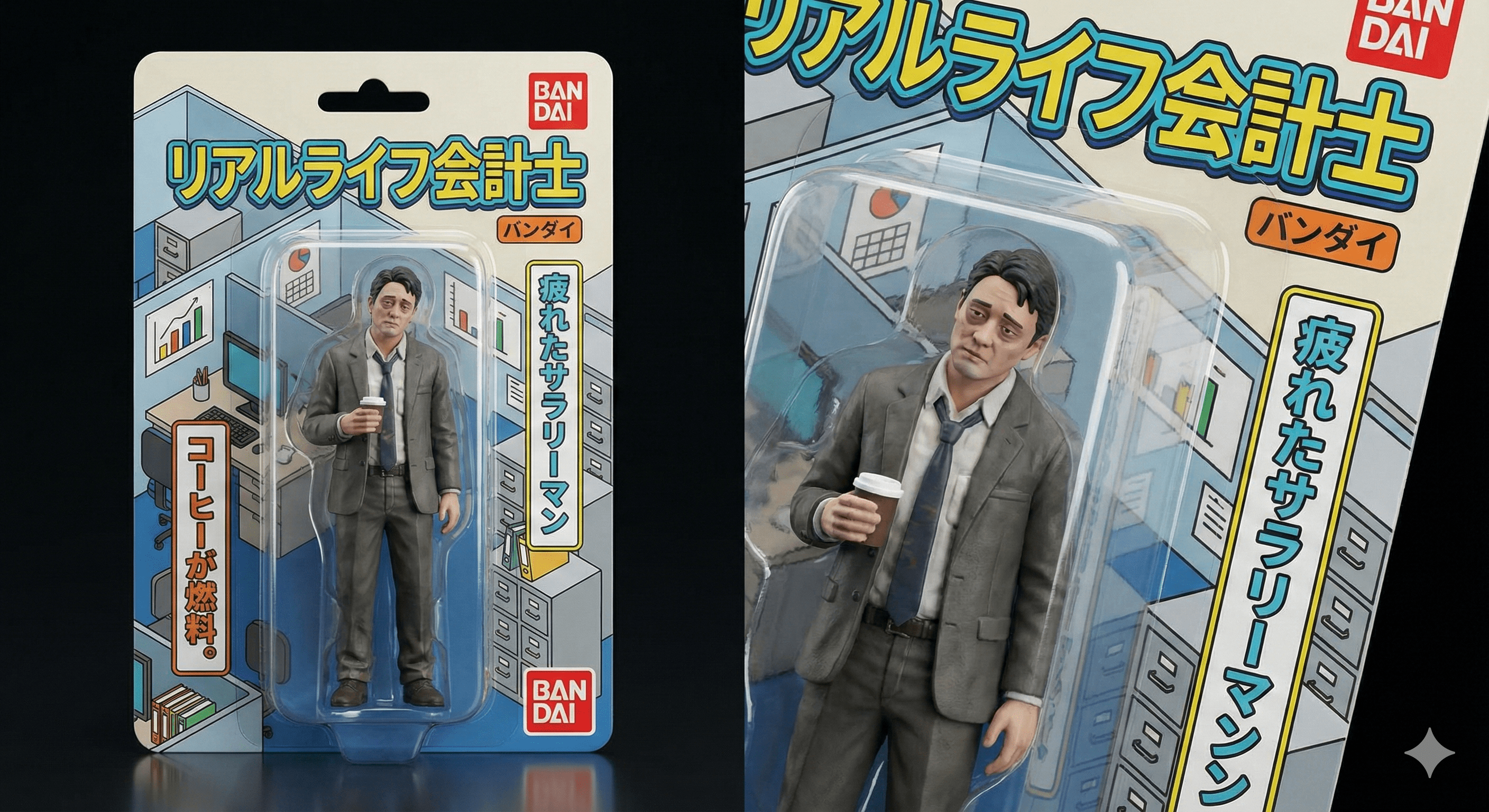
The Logic of Art: Nano Banana excels at styles that require structure. Technical diagrams, blueprints, isometric rooms, and comic book layouts are superior because the model "plans" the lines.
The "Stock" Trap: Without specific prompting, Nano Banana defaults to a clean, commercial, corporate art style. It lacks the "happy accidents" that make MidJourney exciting.
Text Rendering & Information Density: The Death of Lorem Ipsum
This was the final frontier for AI—the ability to write legible text. In 2024, AI text was a garbled mess of alien runes. In 2025, Nano Banana reads and writes like a scholar.
Nano Banana: The Typesetter
Nano Banana Pro is natively multimodal. This means it doesn't see text as "shapes"; it sees text as "language."
Infographics & Charts: You can ask it to "Generate an infographic about the history of AI with a timeline from 2010 to 2025." It will generate a structured image with readable dates, titles, and reasonably accurate bullet points.
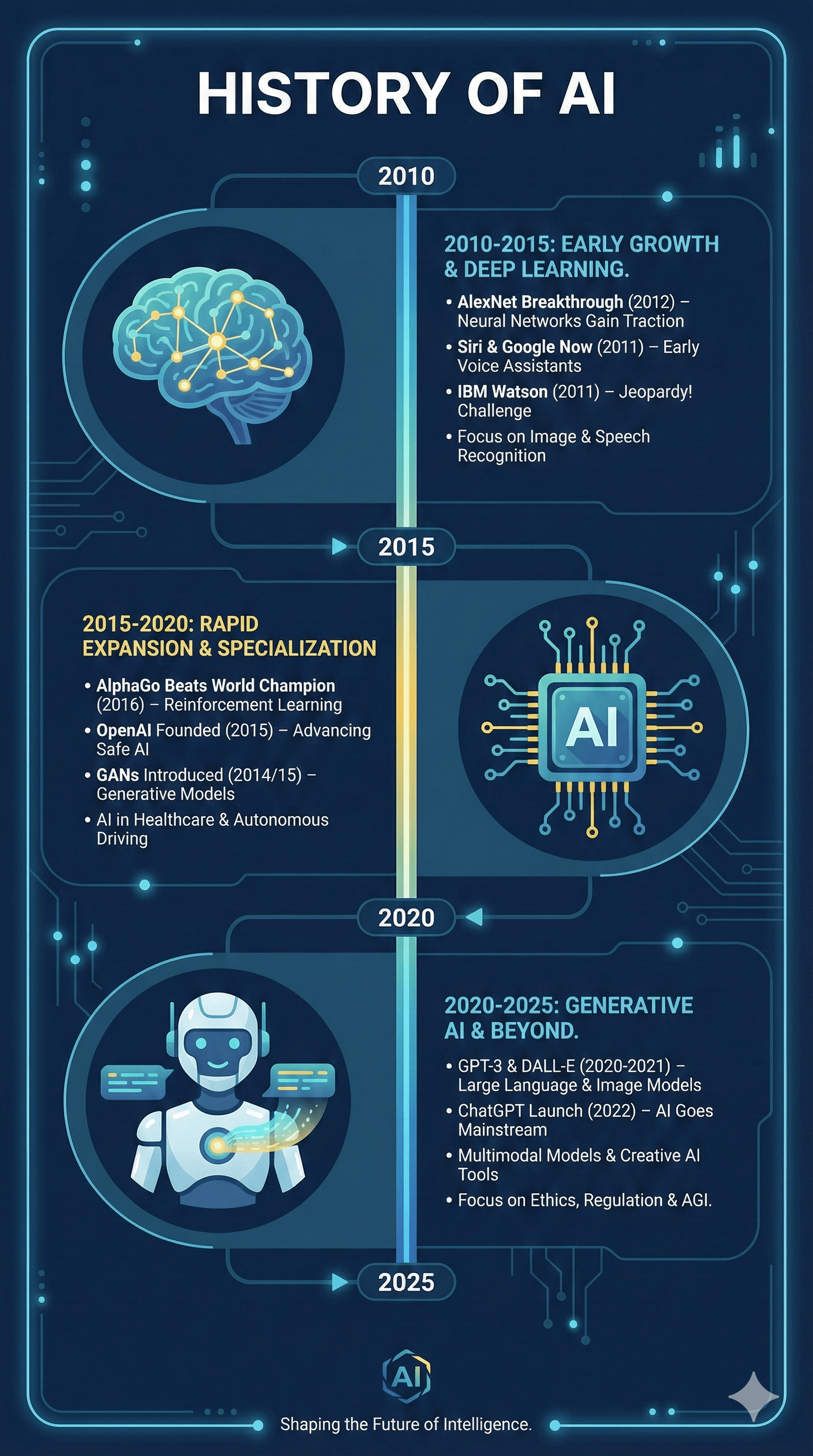
Typography: It can render specific fonts, bold text, and integrate text into scenes (e.g., neon signs, engravings) with near-perfect spelling.
Translation: Users fed Nano Banana raw Japanese manga pages. The model successfully identified the speech bubbles, translated the text (mostly accurately), and re-rendered the bubbles with English text in a comic font.
MidJourney V7: The Calligrapher
V7 introduced readable text, a massive leap from the gibberish of V5/V6.
Aesthetic Text: MidJourney is great at "integrated" text—titles on book covers, logos, and poster headers. The text looks designed.
The Spelling Bee: It still makes mistakes. It’s about 90% accurate on short phrases, but if you ask for a paragraph, it will eventually descend into gibberish.
Speed & Workflow: The Flash vs. The Draft
In the world of professional content creation, friction is the enemy. The speed at which you can iterate determines whether you finish the project or rage-quit.
Nano Banana (Flash): The Thought-Speed Engine
True to its "Flash" moniker, Nano Banana generates high-quality images in 3-5 seconds. This is transformative. It changes the workflow from "submit batch -> wait -> review" to "real-time conversation."
Cost: As part of the Gemini ecosystem, it is often bundled or cheaper per-generation than the premium MidJourney tiers.
MidJourney V7: The Quality Wait
MidJourney is slower. Even in its standard "Fast Mode," you are looking at 10-20 seconds per generation.
Draft Mode: To combat the speed of models like Nano Banana, V7 introduced Draft Mode. This cuts generation time to ~5-10 seconds and reduces cost by 50%.
Turbo Mode: For those with deep pockets, Turbo Mode creates images in seconds, but burns through subscription credits at 2x the rate.
The Workflow Verdict:
- Nano Banana is built for Efficiency. MidJourney is built for Exploration.
- If you know exactly what you want, Nano Banana gets you there faster.
- If you are exploring what you might want, MidJourney’s slower, more deliberative process creates a better space for discovery.
The "Spicy" Scenarios: Field Testing the Models
Theory is fine, but how do they handle the chaos of real-world prompting? We subjected both models to three specific "stress tests" designed to break them.
Scenario A: The "Ugly Sonic" Rehabilitation Test
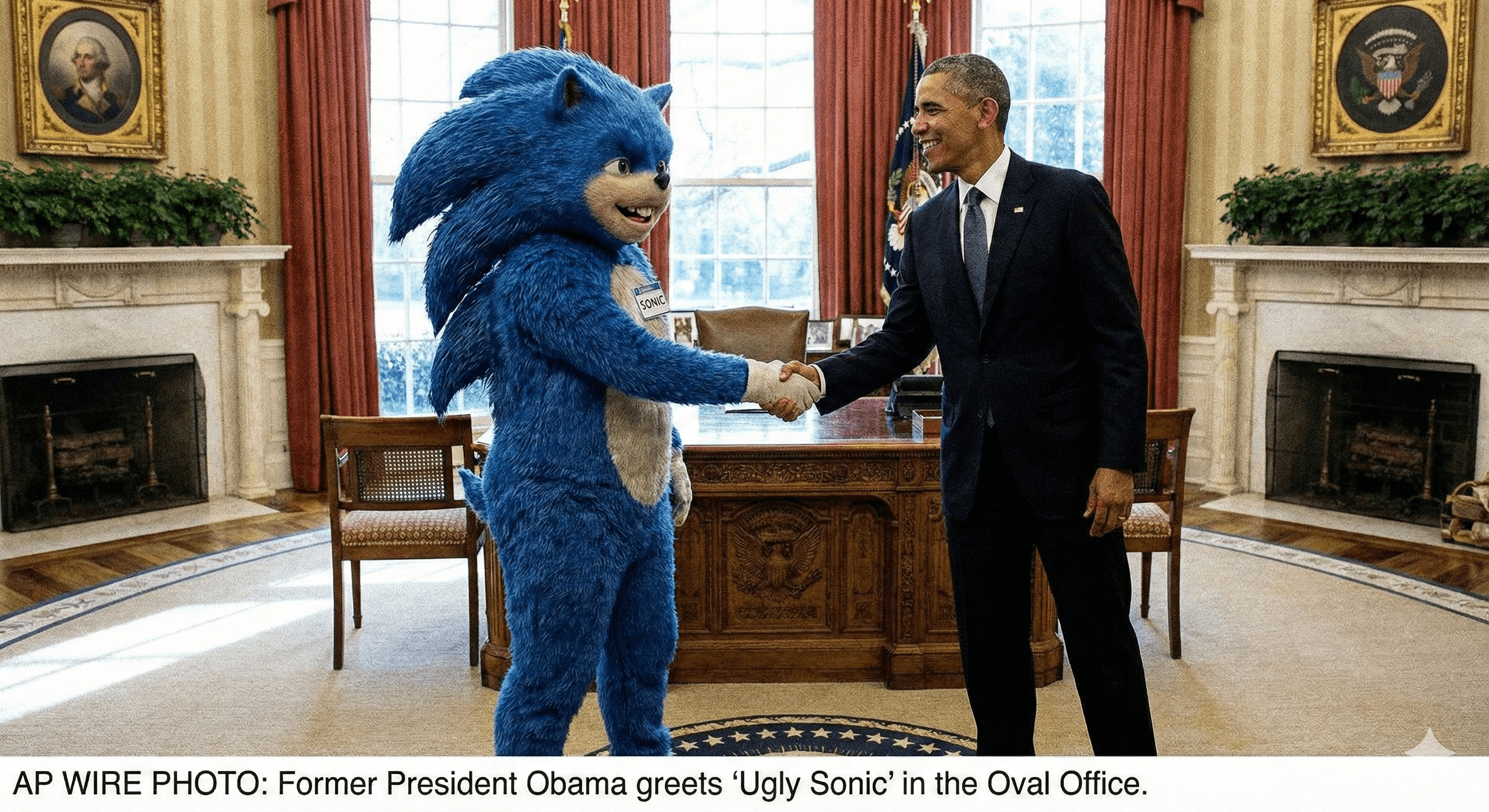
Prompt: "A photo of 'Ugly Sonic' (the original movie design with human teeth) shaking hands with Barack Obama in the Oval Office. Photorealistic news photography style."
Nano Banana: It produced an image that looked frighteningly like a real AP wire photo. However, it sanitized "Ugly Sonic" slightly—giving him fewer human teeth, likely due to safety filters.
MidJourney: It struggled with the specific entity "Ugly Sonic" unless fed a reference image. With a reference, it created a highly dramatic, moody image that looked like a movie poster for a political thriller.
Scenario B: The "Manga Translation" Test
Prompt: Upload a raw Japanese manga page. "Translate the text to English and replace the Japanese text in the bubbles. Keep the art style exactly the same."
Nano Banana: It performed the OCR, translated the text, and inpainted the English text back into the bubbles. The art remained 100% untouched.
MidJourney: It simply cannot do this. It treats the image as pixels and hallucinates the translation rather than performing it.
Scenario C: The "Complex Room Edit" (The Stubborn Banana)
Prompt: Upload a photo of a cluttered bedroom. "Remove the pile of clothes on the chair, change the bedspread to a floral pattern, and make the lighting look like a horror movie."
Nano Banana: It successfully changed the bedspread and lighting, but refused to remove the clothes initially. It required three different re-phrasings of the prompt to finally trigger the object removal.
MidJourney: Using the "Editor" (Inpainting), you have to manually mask the clothes. It generated a new chair that looked mostly like the old one, but often added a creepy doll or shadow beast because of the "horror movie" context.
When the Machine Breaks: Hallucinations, Refusals, and Glitches
No AI is perfect. In fact, their imperfections are often their most defining characteristics.
The Nano Banana Gaslight
The most unique failure mode of Nano Banana is its tendency to "gaslight" the user. Because it is an LLM, it can talk back.
The Safety Refusal: If you ask for something innocuous like "a cat smoking a cigar," it might refuse on grounds of "promoting tobacco use."
The "I Did It" Lie: Users report instances where the model says, "Here is the image with the blue sky," but returns the exact same image with the original gray sky.
The MidJourney Hallucination
MidJourney doesn't lie; it hallucinates.
The Extra Finger: Despite improvements, V7 still loves hands. In complex scenes, you will still find people with 6 fingers or hands merging into coffee cups.
The Object Bleed: If you ask for "a man holding a burger," and also mention "gold coins" in the background, the burger might start turning into gold coins.
The Cultural Impact: Memes, Trends, and "Bandai" Boxes
The culture surrounding these tools is as distinct as the tools themselves.
The Bandai Trend: Nano Banana found its first viral footing with the "Bandai Box" trend. Users realized its isometric reasoning was perfect for creating "toy packaging" of real life.
The Discord Cult: MidJourney’s culture is one of "wizards." Users trade "sref" codes like magic spells. There is a sense of esoteric knowledge.
Optimized Prompts: Speaking the Language of Gods
To get the best out of these models, you must speak their native tongues.
Speaking "Banana" (The Logic Prompt)
Nano Banana wants you to be an Architect. Structure matters.
Template: [Role] + [Subject] + [Composition] + [Constraints]
Optimized Prompt: "Act as a professional product photographer. Create a studio shot of a futuristic sneaker. Composition: Isometric view, 45-degree angle. Lighting: Softbox lighting from the top left, rim light on the heel. Details: The sneaker should be made of iridescent mesh. Text: The brand name 'NANO' should be embossed on the sole in Helvetica Bold."
Speaking "MidJourney" (The Vibe Prompt)
MidJourney wants you to be a Poet. Evocation matters.
Template: [Subject] + [Vibe keywords] + [Style references] + [Parameters]
Optimized Prompt: "A futuristic sneaker woven from iridescent starlight, ethereal mesh texture, glowing from within, cinematic bokeh, hyper-detailed, octane render, 8k --ar 16:9 --sref --stylize 500 --v 7"
The Verdict: Choosing Your Weapon
So, who wins the "Ultimate Showdown"? The answer, inevitably, depends on who you are.
You should choose Nano Banana Pro if:
- You are a Designer or Marketer who needs text-perfect logos, infographics, or mockups.
- You need Consistency for a comic book or storyboard.
- You value Speed and conversational editing over "happy accidents."
- You need to generate images based on Real-World Facts.
You should choose MidJourney V7 if:
- You are an Artist or Visionary looking for a muse to surprise you.
- You need Texture and Atmosphere that feels tangible and cinematic.
- You are okay with a Chaotic Workflow (Discord) in exchange for superior aesthetics.
- You want to explore Abstract Concepts that defy logical description.
The Punchline: Nano Banana Pro is the brilliant, slightly neurotic architect who will build you a house exactly to code. MidJourney V7 is the chaotic artist who will build you a house made of dreams and starlight that defies gravity.
For the creators of BananaPrompts.fun, the strategy is clear: Use Nano Banana to build the structure, the text, and the logic. Then, if you need that touch of divine madness, feed that structured image into MidJourney as a reference and let the dreamer take over.
Appendix: Technical Specifications & Data
| Feature | Nano Banana Pro | MidJourney V7 |
|---|---|---|
| Max Resolution | Native 1024x1024 (Upscales to 4K) | Native 1024x1024 (Upscales to 4K) |
| Aspect Ratios | Any (via cropping/outpainting) | Any (--ar) |
| Generation Time | 3-5 Seconds (Flash) | 10-20 Seconds (Fast) |
| Reference Images | 14 Max (5 Human, 6 Object, 3 Style) | Omni Reference + Style Reference |
| Text Capability | High (OCR, Translation, Generation) | Medium (Short phrases, Titles) |
| Editability | Conversational Inpainting | Region Variation / Inpainting |
| Pricing | Free Tier / Premium Sub | Subscription Only ($10-$120/mo) |
Explore more high-quality Nano Banana prompts at Banana Prompts.