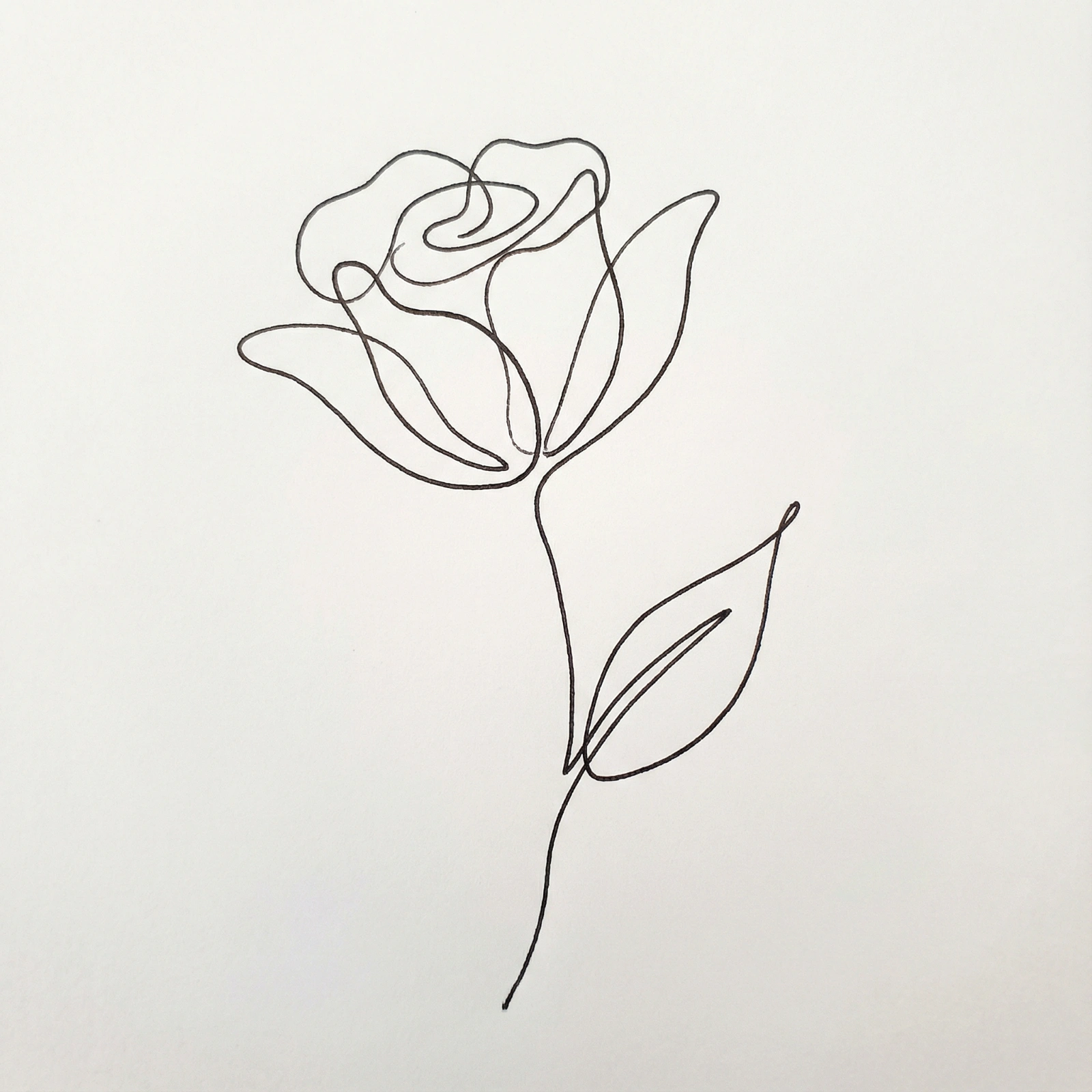
One-Line Flower Sketch
Prompt
"Line Art" flower. One continuous line. Black on white.
Aspect Ratio
Model
Nano Banana ProYou might also like
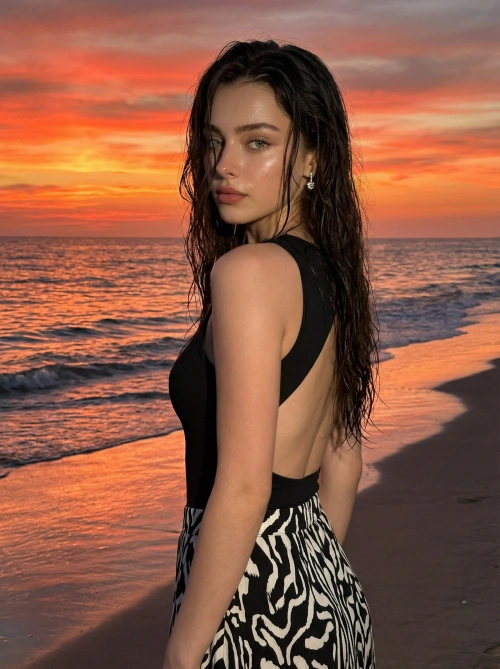
Sunset Beach Portrait
High resolution, masterpiece, best quality with perfect and detailed lighting, dramatic shadows, a voluptuous body and innocent face in a vertical 9:16 format, editing a close-up photo of a young woman with fair, flawless, smooth, very bright glass skin especially on the nose, cheekbones, and forehead, finished with a dewy glow; natural makeup with a smooth glowing white complexion, visible bare-face pores, light contouring on cheeks and nose, soft pink blush on cheekbones and chin, striking eye makeup with winged eyeliner, grey contact lenses, neatly shaped natural eyebrows, prominent brown and white aegyosal, thick curled lashes with sharp mascara, and a fresh matte pink lip tint that looks moisturized; standing at the beach during sunset with a dramatic orange, red, and pink sky, soft clouds, the sun low on the horizon reflecting warm golden light onto the sea and wet sand, gentle waves behind her creating a calm romantic cinematic golden hour atmosphere; wearing a casual-elegant beach outfit consisting of a sleeveless black open-back tank top with crisscross straps and a slim silhouette, paired with a long flowy black-and-white abstract patterned skirt, minimal sparkling earrings catching the sunset light; posed sideways with her back slightly to the camera, body subtly turned, head looking toward the camera with a calm confident expression, one shoulder more dominant for a sensual natural feel, long hair wet and slightly messy falling down her back with some strands sticking to the skin and partially covering the face, arms relaxed at her sides; candid close-up Instagram dump style, extremely realistic and not AI-like, professionally shot with the latest iPhone camera, ultra-realistic 16K resolution, editorial portrait with detailed skin in ultra-HD, and do not change the face at all.
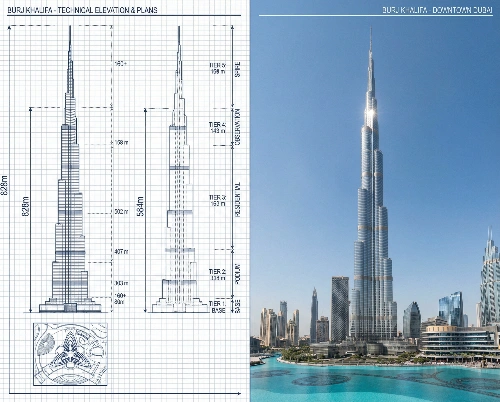
Burj Khalifa Sketch vs Photo
{ "objective": "Create a side-by-side comparison image featuring a technical sketch and real photograph of the [Burj Khalifa]", "image_specifications": { "style": "Mixed media (Technical drawing + Real photograph)", "layout": "Horizontal split - Left side: Sketch with measurements, Right side: Real photo", "aspect_ratio": "3:2" }, "left_side": { "content_type": "Technical sketch of the building", "features": [ "Detailed architectural lines showing tiered setbacks", "Numerical height and width measurements", "Elevation labels for different tower sections", "Side and front elevation views (top-down projection if space allows)" ], "text_annotations": { "units": "Metric (meters)", "language": "English", "font_style": "Blueprint or engineering-style typography" }, "positioning": "Take up the left half of the image" }, "right_side": { "content_type": "High-resolution real photo of the building", "features": [ "Full view of the tower from base to spire", "Natural daylight with clear sky", "Color image with Dubai skyline or Downtown Dubai context" ], "positioning": "Take up the right half of the image" }, "visual_elements": { "border_division": "Vertical line or subtle transition between left (sketch) and right (photo)", "color_palette": { "left": "Monochrome or blueprint blue for sketch", "right": "Natural realistic colors" } }, "output_format": { "type": "Image", "use_case": ["Educational poster", "Architectural comparison", "Engineering visualization", "Tourism visual aid"], "high_resolution": true } }
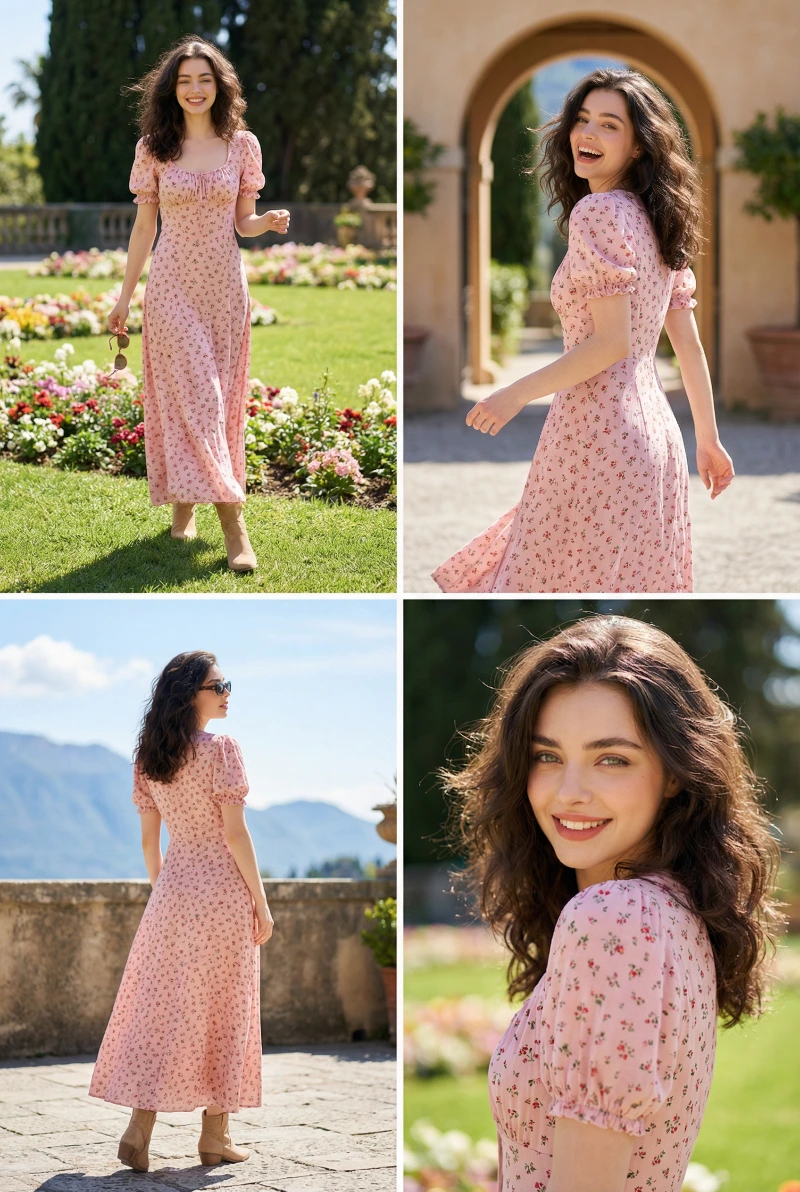
Joyful Pink Fashion Collage
{ "image_generation_specification": { "meta": { "type": "photorealistic_lifestyle_fashion_collage" }, "subject": { "identity": { "Woman": "Use from the reference image", "likeness_era": "Modern lifestyle editorial" }, "physical_appearance": { "hair": { "color": "Dark brown", "style": "Long, loose, center-parted", "texture": "Straight to softly wavy, lightly wind-swept" }, "expression": { "mood": "Joyful, playful, carefree", "details": "Soft smile, joyful laughter, confident relaxed expressions" }, "pose": { "position": "Standing and moving naturally across multiple frames", "orientation": "Front-facing, rear three-quarter view, mid-movement, and close medium portrait poses" } }, "attire_and_accessories": { "clothing": { "item": "Maxi dress", "color": "Soft pink", "style_details": [ "Small red and green floral print", "Short puff sleeves", "Fitted bodice", "Flowing skirt silhouette" ], "fabric_texture": "Lightweight, airy, flowing fabric" }, "jewelry": { "item": "Earrings", "metal": "Minimal neutral metal", "style": "Simple, understated design" }, "additional_accessories": [ "Light brown ankle boots", "Sunglasses worn in one frame" ] } }, "environment": { "immediate_setting": { "location_type": "Outdoor garden and landscaped estate grounds", "era_vibe": "Romantic countryside resort atmosphere", "interior_details": { "elements": [ "Mediterranean-style architecture with arches and columns", "Flower beds", "Green lawn", "Trees surrounding the grounds" ] } }, "view_through_window": { "description": "Open outdoor scenery surrounding the subject", "elements": [ "Distant mountains", "Clear blue sky", "Lush greenery" ] } }, "photographic_execution": { "style": "High-end lifestyle fashion editorial photography", "quality": "High-resolution imagery with crisp subject detail", "lighting": { "source": "Natural sunlight", "quality": "Bright midday light with soft yet defined shadows, cheerful and vibrant" }, "composition": { "framing": "Vertical four-image grid collage combining full-body and medium shots", "depth_of_field": "Moderate depth of field with clear background and gentle separation from the subject" } } } }
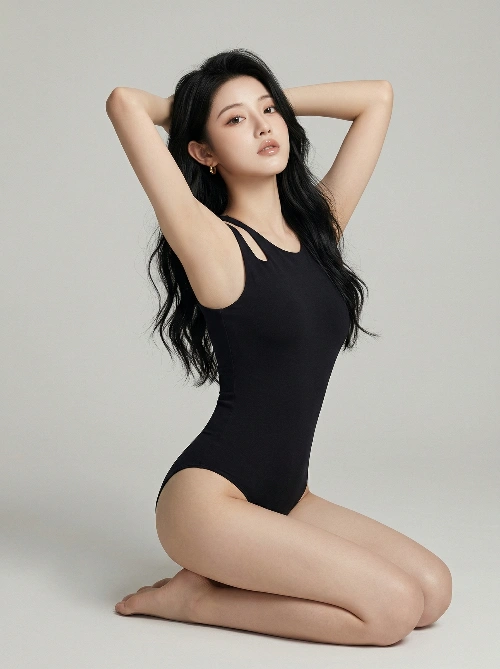
Ultra-Realist Minimalist Fashion
Based on the uploaded reference image, generate an ultra-photorealistic studio fashion photograph in a minimalist high-fashion style. The image should be a full-body portrait, conveying confidence, sensuality, and elegance, with an emphasis on 8K resolution and highly realistic detail. Character Setup Identity Baseline: Strictly follow the facial features of the subject in the uploaded reference image, ensuring strong identity consistency. Present her as a young woman with a well-proportioned figure, graceful curves, toned legs, and a slender waist. Hair and Makeup: Deep black long hair, very long, loose and voluminous with slight waves, naturally falling along the back and sides, smooth and glossy in texture. Makeup is soft and alluring, with smooth radiant skin, full lips with nude gloss, defined eyeliner, clear eyelashes, and naturally shaped brows. Expression and Accessories: Gaze slightly directed toward the camera, expression confident, sensual, and relaxed. Wearing small gold hoop earrings, with no other accessories. Styling and Pose Outfit: A black stretch-fabric bodysuit with a minimalist sleeveless design, featuring an asymmetrical strap detail and a form-fitting cut. Pose: Kneeling on the floor with legs folded beneath the body, heels close to the hips. The torso is upright with a slight arch in the back. Both arms are raised, with hands crossed behind the head. The head tilts slightly backward and to one side. Photography and Lighting Composition: Full-body vertical composition with the subject centered. Shot from a three-quarter angle using an 85mm portrait lens, with shallow to medium depth of field and sharp focus on the subject. Background: Light neutral gray, smooth seamless studio backdrop, maintaining a minimalist environment. Lighting: Key light from the front-left using a softbox, with soft fill light from the front-right, and a very subtle rim light from behind. Natural, soft shadows should form beneath the body. Color Tone: Overall neutral tones, with soft highlights on the skin. Image Quality and Style Aim for ultra-realistic, high-detail 8K image quality. Skin and fabric textures must be rendered with extreme precision, achieving a true photographic realism consistent with top-tier high-fashion editorials.

LV Dynamic Grid Muted
Louis Vuitton. Act as a World-Class Editorial Designer. PHASE 1: DYNAMIC SUBJECT LOGIC. * Subject Selection: Autonomously analyze Louis Vuitton and select an iconic luxury fashion subject, such as a Louis Vuitton monogram travel trunk, a classic LV monogram handbag (e.g., Speedy or Keepall), or a high-fashion model interacting with a Louis Vuitton bag. * Layering (The Sandwich Effect): Interweave the subject with background shapes. Some parts of the bag or model must be hidden behind geometric blocks, while other parts (handles, straps, hands, accessories, luggage tags) must overlap them to create 3D depth. PHASE 2: GRID & GEOMETRY. * Layout: A clean 2x2 grid composition. * Overlays: Superimpose large, bold geometric arcs and circles over the grid. * Visual Balance: Place one iconic Louis Vuitton prop (for example a floating LV luggage tag, padlock, or small monogram coin pouch) in a separate quadrant to balance the main subject. PHASE 3: SOPHISTICATED MUTED PALETTE. * Color Direction: DO NOT use aggressive neon or oversaturated colors. * Palette: Identify the core Louis Vuitton colors and shift them to a sophisticated muted spectrum. * Tones: Use desaturated, earthy, or dusty versions of LV heritage colors such as muted monogram brown, dusty gold, warm tan, soft caramel, aged leather beige, and muted cream. * Finish: Matte, flat color blocks with zero gradients. PHASE 4: PHOTOGRAPHY & LIGHTING. * Subject Style: High-end commercial studio photography. * Lighting: Soft, diffused studio lighting with gentle highlights. No harsh shadows. * Integration: The subject must feel physically embedded into the graphic grid. PHASE 5: MINIMALIST BRANDING. * Logo: Place a clean, single-color Louis Vuitton LV monogram logo in the center of one background block. No taglines, just the iconic symbol.
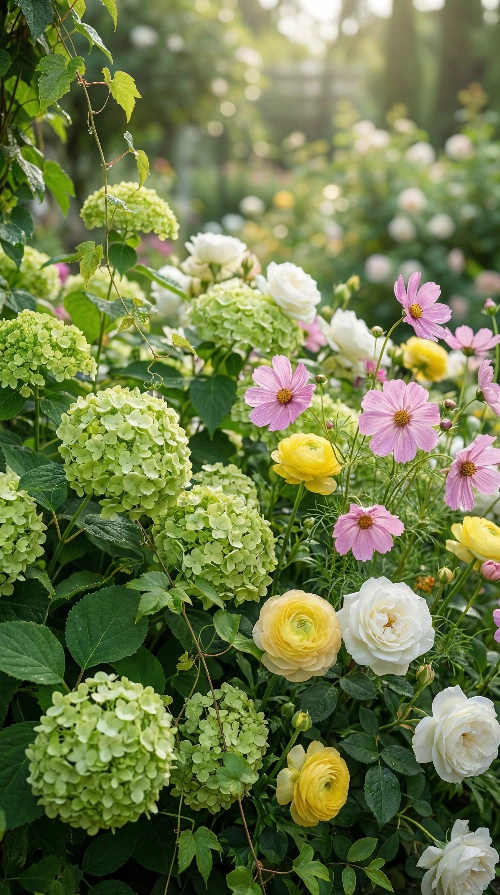
Vibrant Green Flower Bloom
{ "prompt": "Create a stunning wallpaper featuring lush green flowers in full bloom, with vibrant colors and delicate petals, set against a soft, blurred background", "style": "realistic", "resolution": "4K", "colors": ["green", "white", "yellow", "pink"], "elements": ["flowers", "leaves", "vines"] }
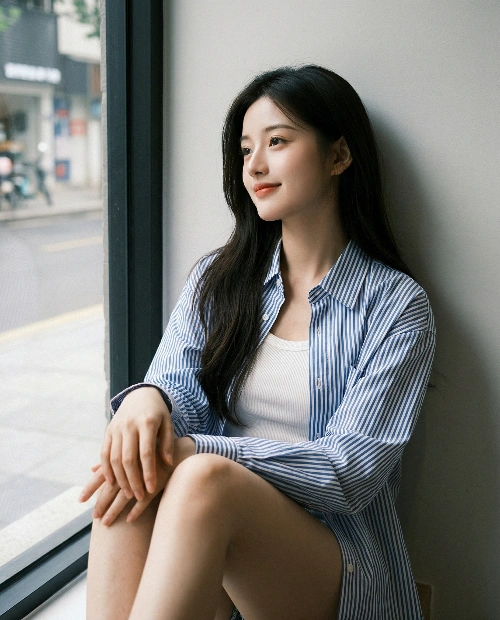
Lazy Afternoon Window Calm
Style Direction: Ultra-photorealistic cinematic lifestyle photography, blending Japanese fresh minimalism with Korean tonal aesthetics. Emphasize a sense of relaxation and emotional softness, with a clean, gentle visual style that combines fashion editorial storytelling with everyday warmth. Theme and Atmosphere: A quiet, lazy afternoon by the window, conveying calmness, softness, and intimacy. Use light and body language to express a “healing daily life” mood. Reference Baseline: Strictly use the uploaded subject as the sole identity reference. Accurately reproduce facial structure, proportions, skin tone, hairstyle, and all recognizable features. No stylization or alteration of the real face. Aspect Ratio and Framing: 4:5 vertical composition. Full-body or half-body framing depending on the reference, prioritizing upper body and leg interaction. Centered alignment with balanced visual weight. Subject Placement: The subject leans by the window in a relaxed posture, occupying the right two-thirds of the frame. The left side is left open to show a softly blurred outdoor street scene, creating an emotional contrast between interior and exterior. Interaction Design: Relaxed posture, hands naturally overlapped and resting between the legs. Back gently leaning against the wall, legs slightly bent, conveying a casual, lived-in interaction. Real Subject (Photorealistic Rendering) Facial Fidelity: 100% preservation of original facial structure, proportions, skin tone, and hair color. Skin texture must be realistic, with visible pores and natural light transitions, avoiding any artificial smoothing. Eyes appear soft and slightly unfocused, with a faint smile conveying relaxed ease. Expression: Calm, slightly distant, with a soft, dreamy gaze and naturally relaxed lips, expressing a gentle and healing presence. Pose: Based on the reference sitting pose — back lightly against the wall, legs slightly bent and overlapped, hands resting naturally on the legs, shoulders fully relaxed with no stiffness. Wardrobe Reconstruction: Inner Layer: White spaghetti-strap tank top with ribbed texture, closely fitting the skin with visible material detail. Outer Layer: Blue-and-white striped shirt, loose fit, sleeves slightly rolled, natural fabric folds, evenly spaced stripes. Bottom: Likely shorts or a short skirt (frame limited to legs), maintaining a casual homewear aesthetic. Material Rendering: Skin-contact softness of the tank top, cotton texture of the shirt, and gravity-driven folds must all be clearly visible and realistic. Lighting and Environment Lighting Setup: Side-back natural light simulating sunlight from the window on the left. Light grazes the face, shoulders, and clothing, creating soft highlights, while shadows transition naturally (e.g., neck, inner arms), enhancing depth and atmosphere. Background: Interior: Light gray matte wall paired with an off-white cushion (soft, voluminous, with natural folds under light). Exterior: Blurred street scene outside the window, with faint silhouettes of buildings and pedestrians in cooler tones, contrasting with the warm interior light. Environmental Details: Dark window frame (metal or wood texture), clean windowsill, realistic cushion volume and folds, minimal clutter to maintain a clean, minimalist home aesthetic. Output Style Image Quality: 8K resolution with RAW-level detail. Hair strands, skin pores, fabric textures, and light gradients must be rendered with extreme realism. Color Grading: Low-saturation soft tones dominated by off-white, light gray, and pale blue, with warm yellow highlights simulating afternoon sunlight. Overall palette should feel fresh, calm, and healing. Post-processing Look: Cinematic grading with preserved shadow detail, soft highlights, and moderate contrast to reinforce the relaxed emotional tone. Lens Language: 35mm prime lens, f/2.8 aperture, with slight background blur and natural depth transition, keeping the subject as the visual focus.