
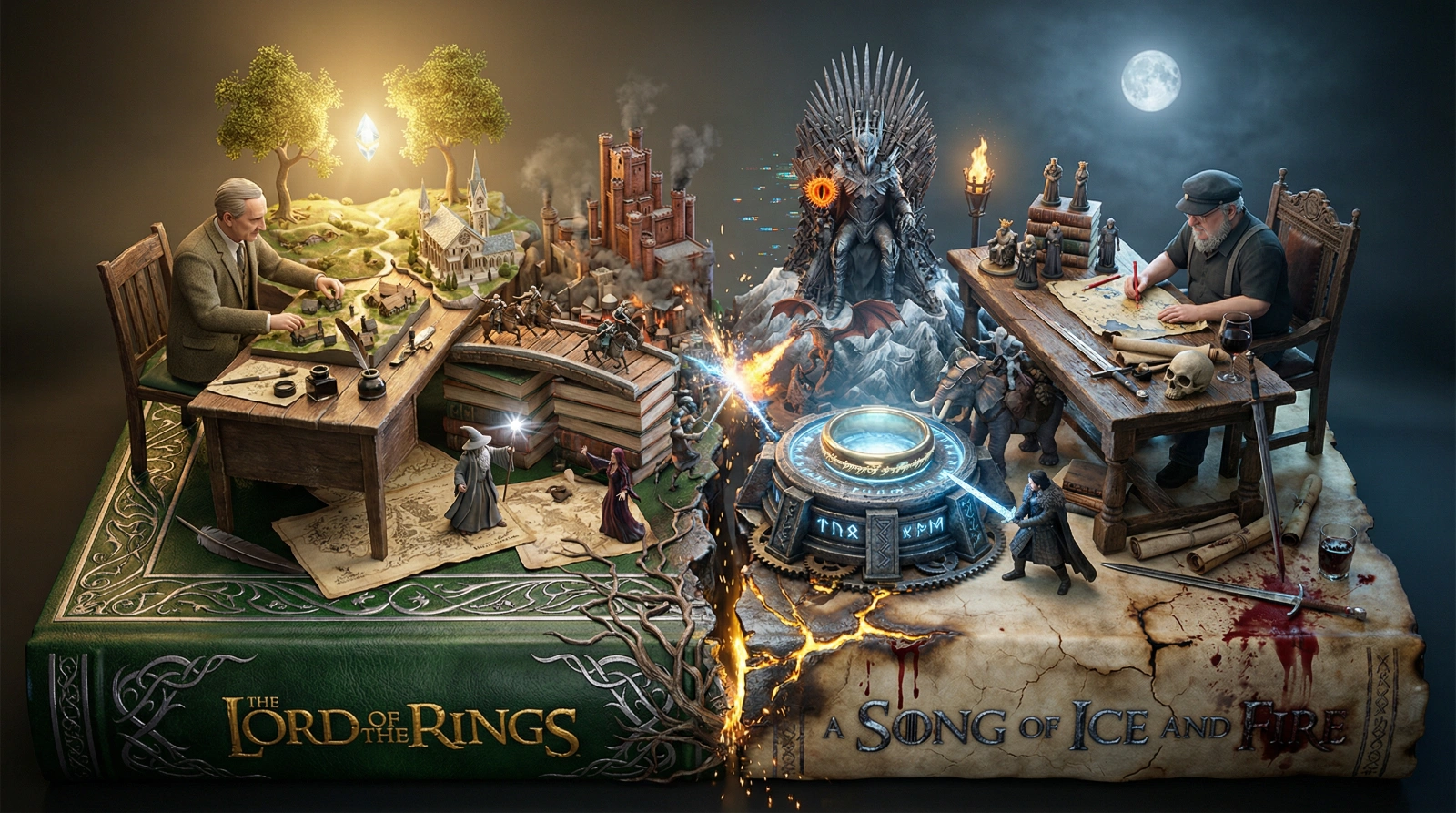
Tolkien vs Martin: Literary Clash
Prompt
Author1: George R. R. Martin Author2: J. R. R. Tolkien -- Input Variable: [INSERT AUTHOR 1] vs. [INSERT AUTHOR 2] (e.g., J.R.R. Tolkien vs. George R.R. Martin, Arthur C. Clarke vs. Isaac Asimov, Jane Austen vs. the Brontë Sisters) System Instruction: Generate a hyper-detailed, macro 3D diorama of a "Literary Battleground." Use the following logic to create a scene of narrative conflict and fusion: Profile & Duality: Analyze both Inputs: Identify each Author's Vibe, Artifacts, and Magnum Opus. The Conflict: Define the core thematic opposition (e.g., Tolkien's Good vs. Evil vs. Martin's Moral Ambiguity; Clarke's Cosmic Indifference vs. Asimov's Human-centric Order). The Fusion: Identify 3-5 hybrid concepts where their worlds might merge (e.g., A Sauron-like figure on the Iron Throne; A positronic brain trying to interpret a Monolith). Container: The Base: A massive, ancient "Yggdrasil-like" Book whose trunk is split down the middle, forming two distinct covers. Texture: Each half of the book's cover texture reflects its author (e.g., Elven-leaf tooled leather vs. cracked, blood-spattered vellum). The Title: Each spine features the respective author's most famous title, but the gold leaf is "bleeding" across the divide. Workspace: The Desk: A single, massive writing desk is cleaved in two by the book. Each side is period-accurate to its author. The Authors: Two 1:12 scale figures, one on each side, are locked in a creative duel. One might be meticulously world-building, the other furiously red-penciling a map. The Clutter (Density Layer 1): The desk is a chaotic mix of both worlds. Crumpled manuscript pages from one author are used as coasters for the other's drink. Quills share space with typewriters. Manifestation: CRITICAL: The two fictional worlds are in a state of open war, using the desk as the no-man's-land. The "Micro-Population": Tiny characters from both universes are in direct conflict. (e.g., Rohirrim charging Dothraki spearmen; R2-D2 trying to reason with HAL 9000). The "Terrain Bleed": The environments are actively terraforming the desk. (e.g., The Shire's gentle hills are being overrun by the gritty, soot-stained streets of King's Landing; A crystal forest from Clarke's work is being colonized by Asimov's metallic robots). The Hybrid Artifacts: The most iconic artifacts are fused into new, paradoxical objects. (e.g., The One Ring is embedded in a Foundation base; A lightsaber hilt is crafted from a white walker's ice). Lighting & Atmosphere: Primary Light: Two conflicting light sources. Tolkien's side is lit by warm, golden "Valinor" light. Martin's side is lit by harsh, cold "Westerosi" moonlight. Secondary Light: The energy from the conflict itself—magical sparks, digital glitches, and clashing auras erupt where the two worlds meet. Scale: Extreme macro with a Tilt-Shift effect, emphasizing the epic nature of the conflict on a miniature scale. Output: ONE image, 16:9 Aspect Ratio, Octane Render, "Epic Clash" level of detail, Dynamic/Dramatic Aesthetic.
Aspect Ratio
Source
@GdgtifyModel
Nano Banana ProYou might also like
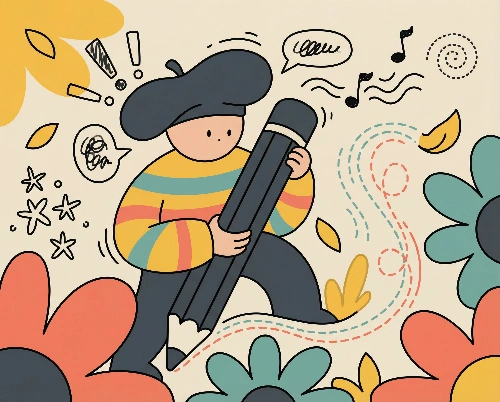
Whimsical Artist's Playful Scene
Create a whimsical, playful illustration featuring [a curious young artist character] as the central focus. The character is drawn with simplified features, a small rounded head, and minimal facial detail, wearing [an oversized beret and a loose striped sweater]. They are positioned among oversized abstract shapes and organic elements such as [giant flowers, floating leaves, and star-like doodles], creating a sense of imaginative scale. The character is interacting with [a large pencil that trails playful lines through the scene], adding narrative interest. Decorative graphic elements like [exclamation points, speech bubbles, hand-drawn scribbles, and musical notes] float around the subject to enhance expression and energy. Use clean, simple linework and a limited color palette of [warm yellow, muted teal, coral, and charcoal gray], keeping the illustration bold and cohesive. The background is a soft neutral tone such as beige or off-white. The overall style is modern, flat, and illustrative, with a lively, creative, and slightly abstract atmosphere.
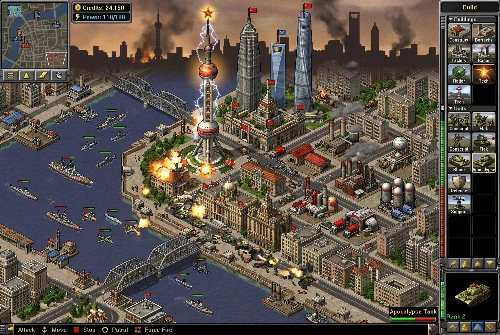
Retro Shanghai RTS Battle
Retro real-time strategy game screenshot in the visual style of the classic 2000s RTS game Red Alert 2. Isometric top-down battlefield map set in modern Shanghai, China. The terrain, roads, rivers, and city layout resemble Shanghai, with recognizable landmarks adapted into RTS game structures: Oriental Pearl Tower functioning as a tech structure, Shanghai Tower and Jin Mao Tower appearing as tall futuristic command buildings, Bund waterfront converted into defensive structures and walls, Huangpu River crossing the map with RTS bridges. Dense Shanghai urban districts turned into RTS base layouts with factories, power plants, radar domes, barracks, and refineries designed using Shanghai architectural elements and Chinese urban aesthetics. Classic RTS base-building scene: construction yards, tank factories, power plants, radar dishes, missile turrets, and supply depots integrated with Shanghai-style buildings and skyline silhouettes. Units include tanks, infantry squads, helicopters, and naval units moving around the Huangpu River. Explosions, smoke, and battle effects typical of early 2000s RTS games. Authentic retro game interface: classic RTS UI panels, minimap in the corner, unit selection boxes, build menu icons, health bars above units, resource counters, and command buttons similar to early RTS interfaces. Pixel-art inspired textures and slightly low-resolution sprites to mimic early 2000s PC game graphics. Camera perspective: classic isometric RTS camera angle from above, showing a large portion of the battlefield and city layout. Bright strategic map colors with clear terrain segmentation for roads, water, buildings, and base structures. Atmosphere: busy battlefield in a stylized Shanghai warzone, tanks rolling through city streets, defensive turrets near landmarks, helicopters flying over the skyline, naval units in the Huangpu River. Nostalgic early-2000s PC game aesthetic, detailed RTS battlefield composition, cinematic but clearly recognizable as a game screenshot.
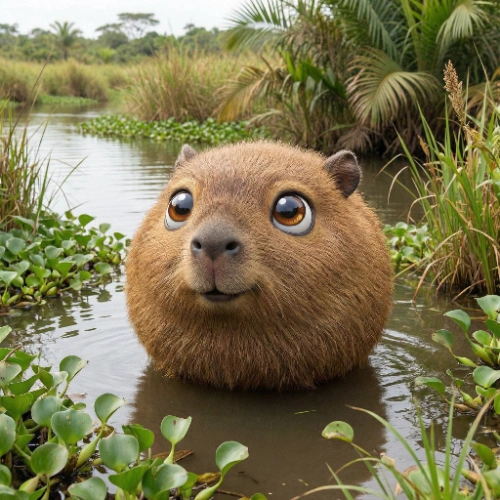
Spherical Cute Animal
Make a photo of a cute ball-shaped version of a [animal: Capybara], with big adorable over-sized eyes, it has no head, instead its face is part of the ball, its head and body are one. They are in their usual habitat. Must be almost spherical and cartoonishly cute. Its eyes are looking up in the most adorable cheeky fashion.
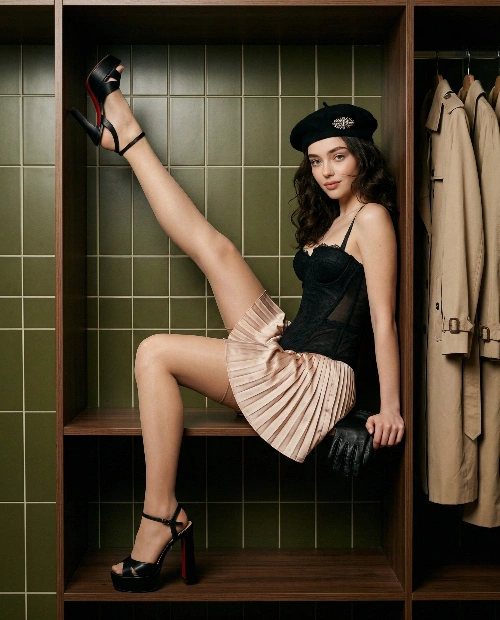
Enclosed Frame Fashion Portrait
[Core Concept] Style Direction: High-fashion editorial portrait photography, blending “frame-within-a-frame” composition with intimate spatial storytelling. Emphasis on precision, restraint, and a gaze-driven visual language. Theme Atmosphere: Refined, intimate, subtly provocative. Capture the subject in a self-presentational moment within an enclosed wardrobe space, conveying composed awareness of being observed through pose and lighting. Reference Baseline: Strictly use the uploaded subject as the sole visual identity source. Accurately reproduce facial structure, proportions, personal aura, and body characteristics without stylization. [Composition and Framing] Aspect Ratio: 4:5 vertical. Camera Angle: Eye-level, aligned with the wardrobe compartment opening (approx. 90 cm height). Visual Focus: “Frame-within-a-frame” — the dark wooden wardrobe compartment acts as a natural frame, fully enclosing the subject. Scene Structure: * The subject is positioned entirely inside the compartment, forming intersecting diagonal body lines. * Left leg raised high, foot pressed against the top frame, forming a strong diagonal from bottom-left to top-right. * Right leg extended horizontally, foot braced against the right inner wall, forming a secondary diagonal. * Torso and head create a third, shorter diagonal line. * Background: deep olive/khaki grid-patterned tiles, contrasting rigid geometry with organic body curves. * Right edge of frame: hanging beige/cream trench coats, adding environmental realism and tonal balance. [Character Rendering] Facial Features: Faithfully reproduce the subject’s facial structure and expression. Expression: Direct eye contact with a subtle smile — composed, slightly provocative. Details: Large expressive eyes, defined lashes, neutral to slightly pouted lips. Head Position: Chin slightly tucked (~5° downward tilt), creating a subtle “looking up through lashes” effect. Skin Tone: Natural with soft blush on cheeks. Hair: * Center-parted, long hair past shoulders. * Left side falls forward over shoulder and chest; right side falls behind. * Soft waves, warm brown tone with subtle highlights under directional light. * A few loose strands fall beneath the beret edge onto the forehead. Body Pose: * Seated inside the compartment. * Back pressed against the left inner wall. * Torso slightly leaning forward and to the right. * Legs form the primary compositional structure (raised left leg, extended right leg). * Arms: left arm mostly hidden behind leg/body; right hand supports on the shelf near the right hip. * Overall body forms a Z-shaped dynamic within the rectangular frame. [Wardrobe and Accessories] Corset: Black structured corset with strong boning; satin or leather finish with subtle sheen. * Sweetheart neckline with black lace trim. * Center front features delicate lacing or bow detail. * Ends at natural waist, revealing transition to skirt. Skirt: Champagne pink satin ultra-mini skirt with pleats, high-waisted. * Fabric catches warm highlights, drawing attention to hips and upper thighs. Footwear: Black platform heeled sandals (ankle strap). * Heel height: 12–15 cm, platform: 3–4 cm. * Open-toe or peep-toe design. * Left raised foot reveals a red sole (Louboutin-inspired), adding a vivid accent. Accessories: * Black military-style beret, tilted to the right side. * Large crystal/rhinestone brooch on the front-right of the beret — brightest specular highlight in frame. * Black leather gloves, removed and placed on the shelf beside the subject. * Nude/transparent stockings with subtle sheen, enhancing leg contours. Color System: Dominant black (corset, shoes, beret, gloves) + champagne pink accent (skirt) + warm nude (skin, stockings) + red highlight (shoe sole) + crystal sparkle (brooch). [Environment and Props] Setting: Luxury walk-in wardrobe interior. Compartment Interior: Deep olive/khaki tiled wall with visible grout lines and subtle matte/metallic finish. Structure: Dark-stained wood frame and surfaces, matte finish. Outer Edge (right): 2–3 hanging garments (beige/cream coats) for realism. Shelf Surface: Black leather gloves placed near the subject’s right hip as a deliberate styling element. [Lighting and Color] Lighting Type: Soft directional key light, editorial and controlled. Direction: From upper-left (~45° angle). * Creates gradient from brighter left to darker right within the compartment. * Soft shadows define face, neck, and body contours without harsh falloff. * Shadows remain detailed, not crushed to black. Material Interaction: * Corset surface captures controlled specular highlights. * Raised left leg (facing light) is brighter than the right, creating tonal separation. * Hanging garments on the right catch slight highlights as secondary accents. Color Science: Inspired by Fujifilm PRO Neg Hi * Professional portrait tones with controlled saturation. * Warm, accurate skin tones (not overly orange). * Champagne pink acts as a controlled highlight accent. * Moderate highlight roll-off; bright but not clipped. * Warm-neutral shadows with depth. * Medium-high contrast for editorial separation. * Minimal grain for clean, professional output. [Emotion and Narrative] Core Mood: Display-case elegance — a living subject consciously presenting herself within a private, enclosed space. Atmosphere: Cocoon-like intimacy — warm, dim, enclosed, and refined. Narrative: Through framing, pose, lighting, and wardrobe, convey themes of self-display, observation, and control within a private environment. [Technical Specifications] Lens: 50mm prime Aperture: f/2.8 Image Quality: Professional digital photography, ultra-detailed, sharp focus on face and pose, 8K resolution Rendering: Hyper-realistic skin and material response, natural light transitions, rich environmental detail, high-end editorial finish
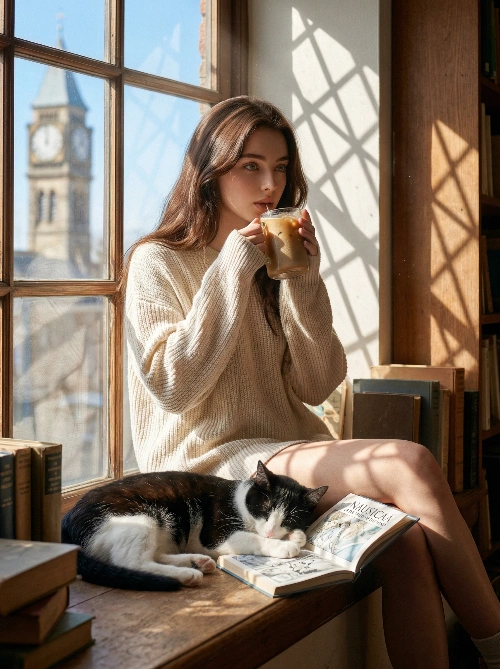
Sunlit Bookstore Cat Moment
Using the uploaded real female subject as the visual baseline, generate an immersive, story-rich environmental portrait with a warm and comforting atmosphere. The scene is set by a sunlit window inside a secondhand bookstore, capturing a quiet afternoon moment shared between a young woman and a cat. The overall style should be cinematic, highly detailed, and photorealistic, using light, texture, and everyday elements to create a cozy, healing, and narrative-driven visual experience. Character Baseline and Styling Baseline: Strictly follow the facial features, structure, and youthful aura of the woman in the uploaded image. She should have long chestnut-brown hair. Expression: Calm and relaxed, immersed in the quiet rhythm of reading and rest. Hair: Long chestnut-brown hair, naturally falling. Clothing: A cream-colored oversized sweater, large enough to cover her hands, enhancing a sense of softness, comfort, and enclosure. Scene, Details, and Interaction Primary Setting: A sunlit secondhand bookstore. The subject is seated on a slightly dusty windowsill. Core Props and Interaction: Books: Vintage manga scattered beneath and around her. An open copy of “Nausicaä of the Valley of the Wind” lies beside her. Cat: A black-and-white tuxedo cat curled up asleep by her legs, with one paw resting gently on the open manga page. Subtle details such as the faint twitching of the cat’s whiskers during sleep should be captured. Action: The subject is sipping iced coffee from a ceramic cup, with visible vapor or condensation gently rising from the cup. Environmental Details: Outside the window is a soft baby-blue sky, with a distant clock tower suggesting midday through lighting cues. The aged yellowed pages of old books, the knit texture of the sweater, and the fine details of the cat’s fur must all be rendered with high clarity. Lighting, Composition, and Image Quality Lighting: Bright natural sunlight streams through the old bookstore window, casting patterned, lattice-like shadows across the subject’s face. Light is the dominant visual element, creating a warm, airy atmosphere that emphasizes a “comfortable afternoon” mood. Composition: Medium-close framing focused on the subject, the cat, and the windowsill area. The perspective should resemble an environmental portrait with strong narrative presence. Color and Tone: Warm overall color palette, soft lighting, delicate shadows, and naturally balanced saturation, highlighting a cozy and nostalgic feeling. Image Quality: 8K ultra-high resolution with extreme detail. Must clearly render volumetric light (Tyndall effect), sweater fibers, aged paper textures, cat fur, glass surface imperfections, and fine dust particles suspended in the air. Mood and Atmosphere Core Mood: Healing, tranquil, lazy, nostalgic, and rich with literary and everyday life ambiance. The image should convey a sense of time slowing down, with a perfect moment of solitude shared harmoniously between a person, her pet, and her books.
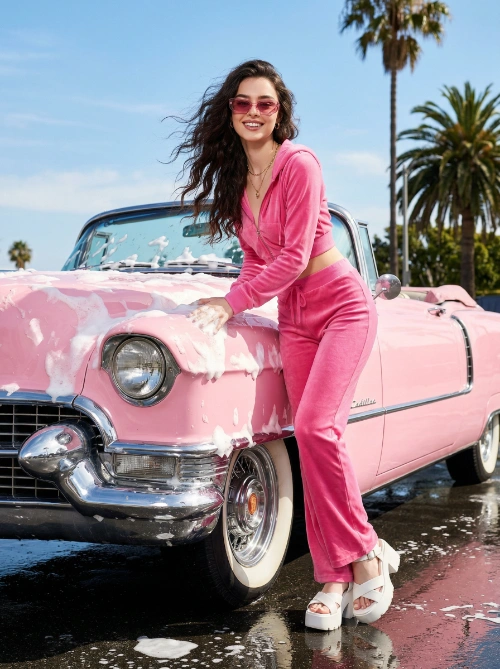
Y2K Retro Summer Drive
Core Concept Using the uploaded real female subject as the visual baseline, generate a high-fashion editorial image infused with Y2K retro aesthetics and strong visual contrast. The scene captures the subject in a summer outdoor setting, interacting with a pink vintage convertible covered in decorative foam, creating a lively, nostalgic, and fashion-forward visual narrative. Character Baseline and Styling Baseline: Strictly follow the facial features, structure, and personal aura of the subject in the uploaded image. Expression: Confident with a playful edge. Skin: Naturally radiant with a healthy glow. Physique: Well-proportioned and fit, with a natural forward-leaning posture. Hair: Long, dynamic wavy hair, gently lifted by a light breeze for a sense of motion. Outfit: Bright pink two-piece casual set paired with matching stylish sandals. Accessories: Fashion sunglasses, a delicate necklace, and minimal rings. Pose, Scene, and Lighting Pose: The subject leans naturally against the car, with both hands lightly touching the foam-covered surface. Scene: Bright outdoor setting featuring a pink vintage convertible coated in decorative foam as the central prop. Environment: Slightly wet ground reflecting ambient daylight, creating natural reflective highlights. Lighting: Bright natural sunlight producing balanced highlights and shadows, enhancing contrast and dimensionality. Color Palette: Dominant pink tones complemented by blue sky and white foam, forming a harmonious and vibrant color scheme. Atmosphere: Playful, nostalgic, and stylish. Composition, Quality, and Style Composition: Eye-level perspective with a slightly wide-angle feel. Technical Settings: Aperture at f/4.0 to maintain clarity across the frame. Image Quality: High-detail photorealism with strong emphasis on material textures and light behavior. Visual Style: Y2K-inspired retro fashion with cinematic storytelling.
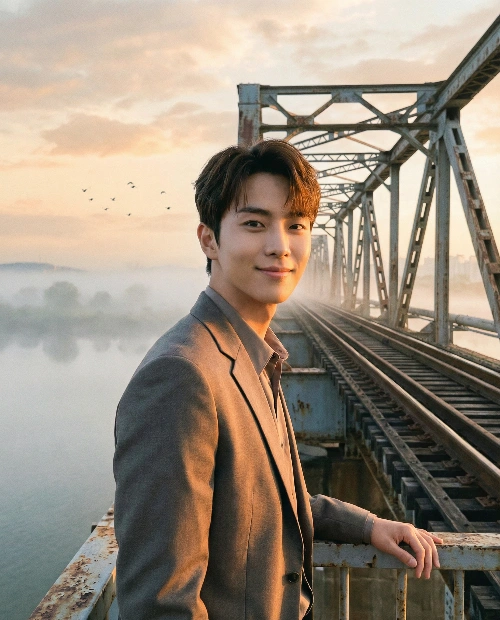
Sunrise Bridge Calm
A cinematic outdoor photograph shows the person attached in the uploaded reference image (keep the face 100% accurate) standing on a quiet railway bridge during sunrise. Soft orange light hits their face. Fog moves slowly over the tracks below. They rest one hand on the railing and smile calmly at the camera while birds fly past in the distance. Aspect ratio 4:5

LV Dynamic Grid Muted
Louis Vuitton. Act as a World-Class Editorial Designer. PHASE 1: DYNAMIC SUBJECT LOGIC. * Subject Selection: Autonomously analyze Louis Vuitton and select an iconic luxury fashion subject, such as a Louis Vuitton monogram travel trunk, a classic LV monogram handbag (e.g., Speedy or Keepall), or a high-fashion model interacting with a Louis Vuitton bag. * Layering (The Sandwich Effect): Interweave the subject with background shapes. Some parts of the bag or model must be hidden behind geometric blocks, while other parts (handles, straps, hands, accessories, luggage tags) must overlap them to create 3D depth. PHASE 2: GRID & GEOMETRY. * Layout: A clean 2x2 grid composition. * Overlays: Superimpose large, bold geometric arcs and circles over the grid. * Visual Balance: Place one iconic Louis Vuitton prop (for example a floating LV luggage tag, padlock, or small monogram coin pouch) in a separate quadrant to balance the main subject. PHASE 3: SOPHISTICATED MUTED PALETTE. * Color Direction: DO NOT use aggressive neon or oversaturated colors. * Palette: Identify the core Louis Vuitton colors and shift them to a sophisticated muted spectrum. * Tones: Use desaturated, earthy, or dusty versions of LV heritage colors such as muted monogram brown, dusty gold, warm tan, soft caramel, aged leather beige, and muted cream. * Finish: Matte, flat color blocks with zero gradients. PHASE 4: PHOTOGRAPHY & LIGHTING. * Subject Style: High-end commercial studio photography. * Lighting: Soft, diffused studio lighting with gentle highlights. No harsh shadows. * Integration: The subject must feel physically embedded into the graphic grid. PHASE 5: MINIMALIST BRANDING. * Logo: Place a clean, single-color Louis Vuitton LV monogram logo in the center of one background block. No taglines, just the iconic symbol.