Mastering Narrative Layouts with Nano Banana Prompts: The Power of the Grid
In the early days of AI image generation, the goal was often to get a single, perfect frame. But as models like Midjourney, Flux, and DALL-E have matured, creators have discovered a secret weapon for storytelling: the grid, curated with nano banana prompts.
By using keywords like "grid," "split," "collage," or "panels," you can force the AI to break out of the single-image box. Whether you’re creating a "vision board," a technical presentation, or a sequential narrative, understanding how to control these layouts is a game-changer for your creative workflow.
Why Use a Grid?
A grid does more than just organize images; it creates context.
- Narrative Flow: It allows you to show a "before and after" or a progression of time.
- Consistency Checks: Grids are the best way to see how a character or style holds up across different lighting and decades.
- Technical Depth: You can show different angles of the same object or "exploded" views alongside the finished product.
Let's look at how this works in practice with ten remarkable examples from the Banana Prompts collection, where nano banana prompts make complex compositions easy.
Decades Fashion Portrait Grid
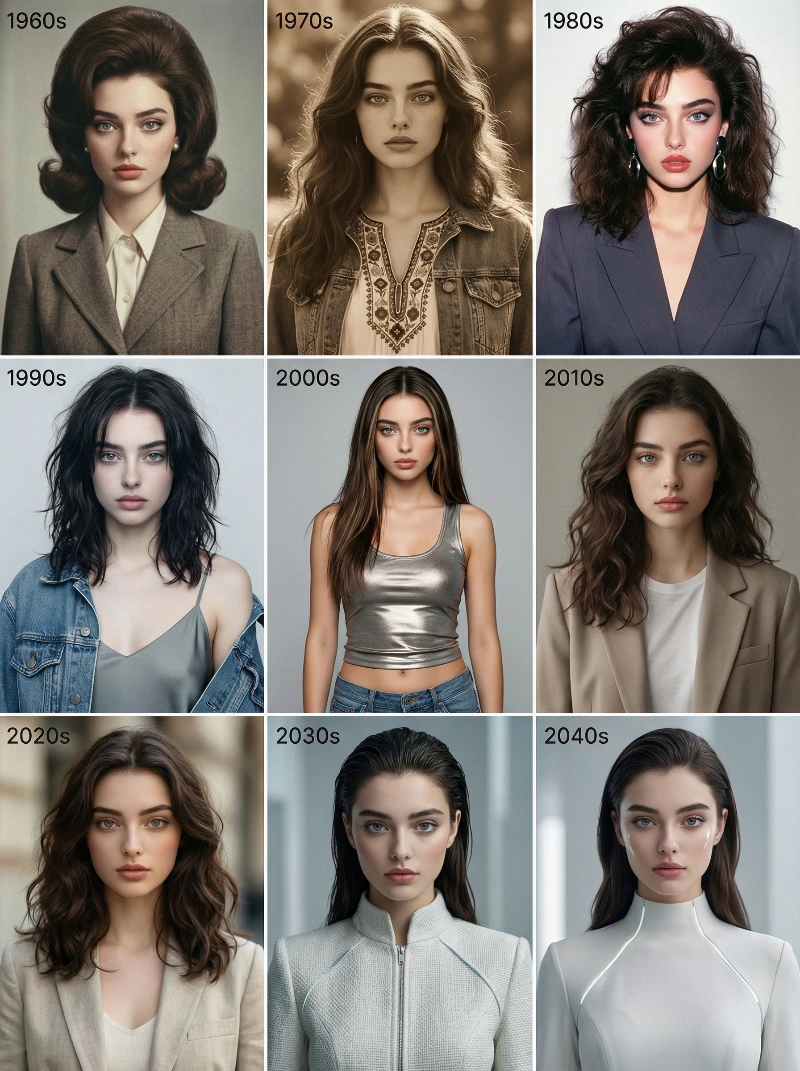
This is a masterclass in identity locking. By specifying a "3x3 grid," the AI attempts to keep the face consistent while shifting the fashion, lighting, and "film stock" of each decade.
{
  "series": {
    "format": "3x3 grid",
    "panels": [
      "1960s: classic tailored look, soft film grain",
      "1970s: warm tones, subtle bohemian styling",
      "1980s: bold shoulders, flash-lit vibe",
      "1990s: minimalist street style, cool tones",
      "2000s: glossy pop aesthetic, clean highlights",
      "2010s: matte editorial, neutral palette",
      "2020s: modern luxury casual, crisp contrast",
      "2030s: near-future high fashion, subtle tech textures",
      "2040s: elegant futuristic minimalism, refined lighting"
    ]
  }
}
Urban Cinematic Walk
Sometimes a grid isn't about variation, but about cinematic coverage. This prompt uses a "4-panel photo collage" to follow a woman's journey through a city at night. It feels less like a grid and more like a film reel.
A cinematic 4-panel photo collage featuring the same woman captured in an urban city environment. Each frame shows a different moment of her walk through the city... Consistent outfit across all frames — black fitted top, beige trousers, ankle boots. Film-still aesthetic, moody cinematic lighting.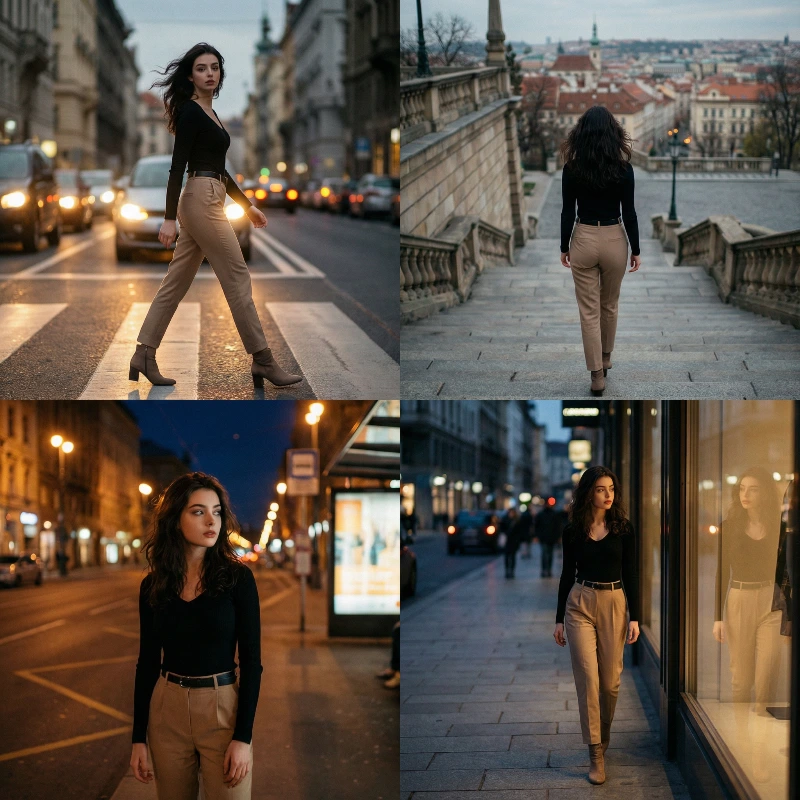
Sci-Fi Game Kinetic Panels
Grids are incredibly popular for "kinetic sculptures" or 3D dioramas. By using a "2x2 grid," you can showcase four different interpretations of a theme (in this case, sci-fi games) in a single, cohesive presentation.
2×2 grid of iconic sci-fi video games, clean high-end studio lighting, ultra-sharp micro-detail, consistent camera angle... Panel A: [Mass Effect]... Panel B: [Cyberpunk 2077]... Panel C: [Halo]... Panel D: [Deus Ex].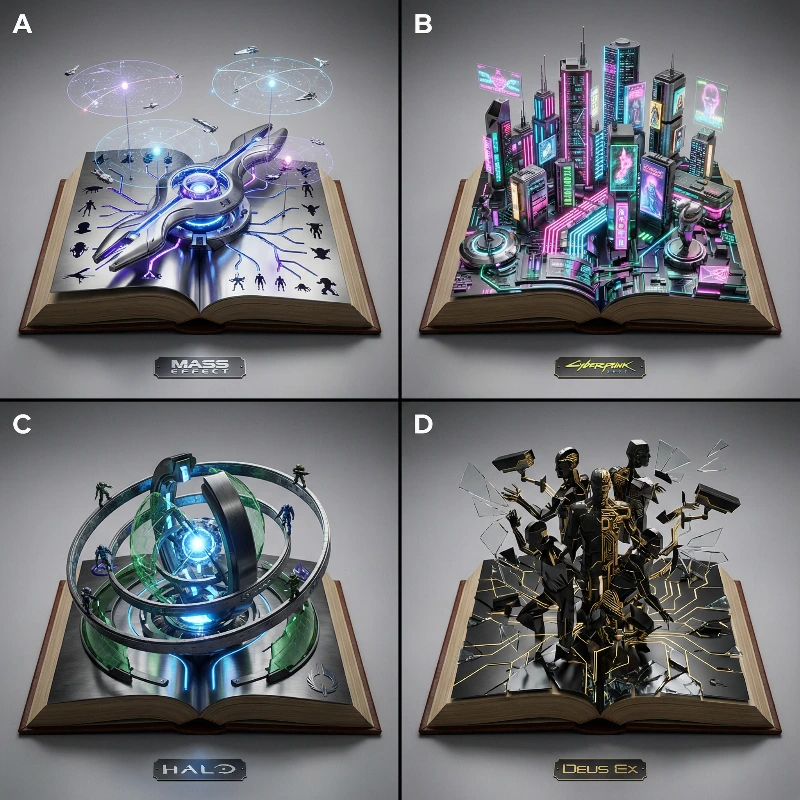
Urban Tactical Triptych
A "triptych" is a three-panel composition. This example uses a vertical split to show a high-action narrative sequence. Notice how it specifies "left-right offset positioning" to guide the viewer's eye through the story.
A real-life man is presented in a vertical triptych collage composition, depicting three consecutive moments (tactical assessment, precision gunfight, and impact recoil). Each panel deliberately uses left–right offset positioning to create a coherent visual narrative flow.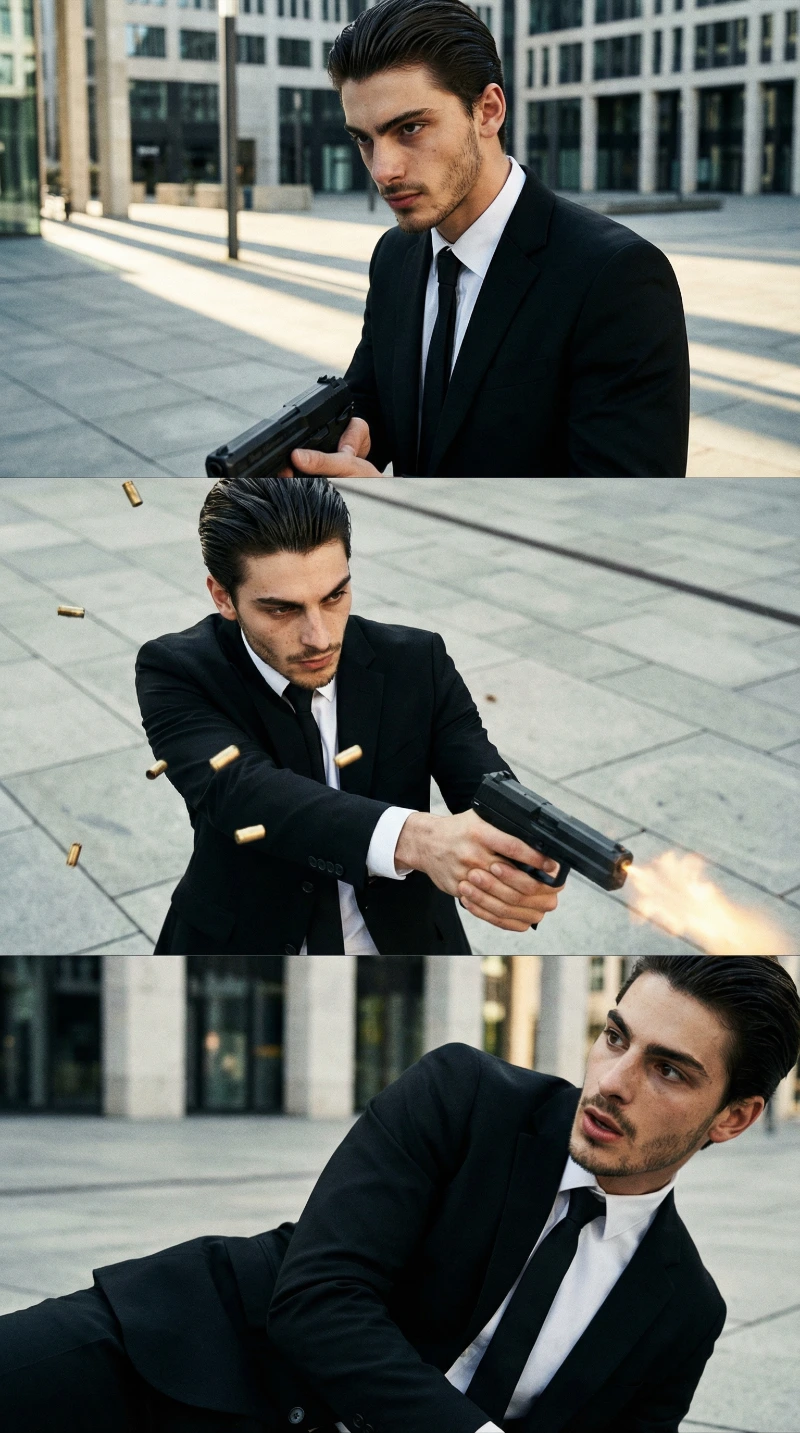
Whimsical Paper Cut Dioramas
This is a beautiful usage of the "four-panel photo split collage." The key here is the "Global Style" constraint, which ensures that even though there are four different scenes, the "logic" of the paper cutout remains identical across every panel.
A four-panel photo split collage arranged in a 2x2 grid, presenting four fully layered 3D paper cut-out dioramas. GLOBAL STYLE: Every single element must be constructed from multiple stacked layers of cut matte cardstock.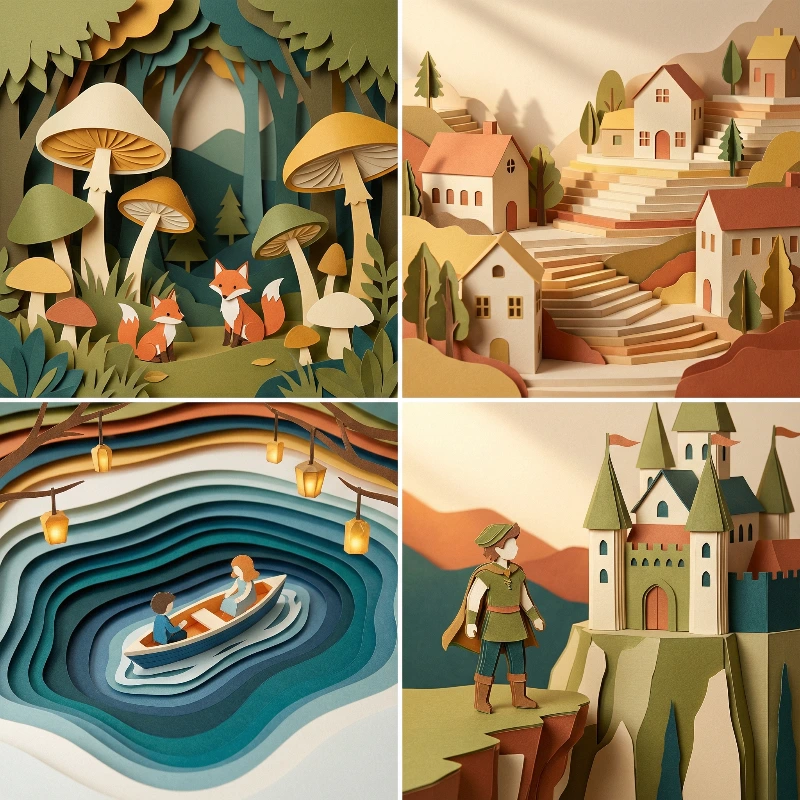
Resident Evil Knolling Case
Not all grids are visible. The "invisible grid" is a technique used in knolling (the process of arranging objects at 90-degree angles). This creates a sense of order and satisfying technical precision.
A photorealistic top-down knolling photography shot inspired by Resident Evil 4 inventory screen... Arrangement: Strictly aligned to an invisible grid, packed tightly with no wasted space.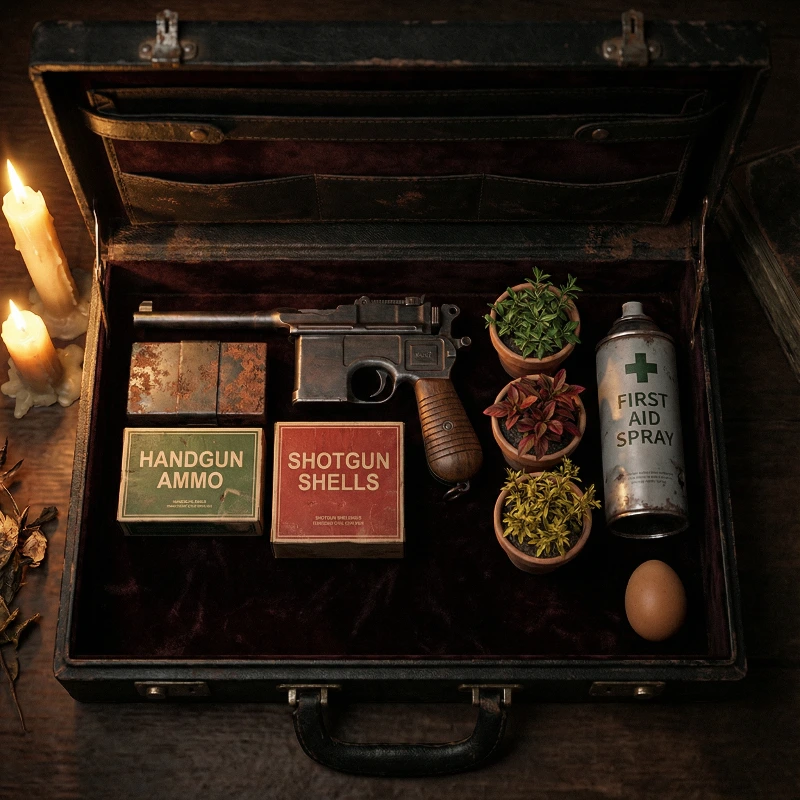
2007 iPhone Design Showcase
Grids are the foundation of professional presentation boards. By using a "clean grid layout," you can bridge the gap between abstract blueprints and photorealistic finished products.
An expert industrial product designer’s presentation board for the original iPhone... featuring black-and-white 2D technical drawings on the left, an exploded axonometric diagram in the center, and a photorealistic 3D render on the right... clean grid layout.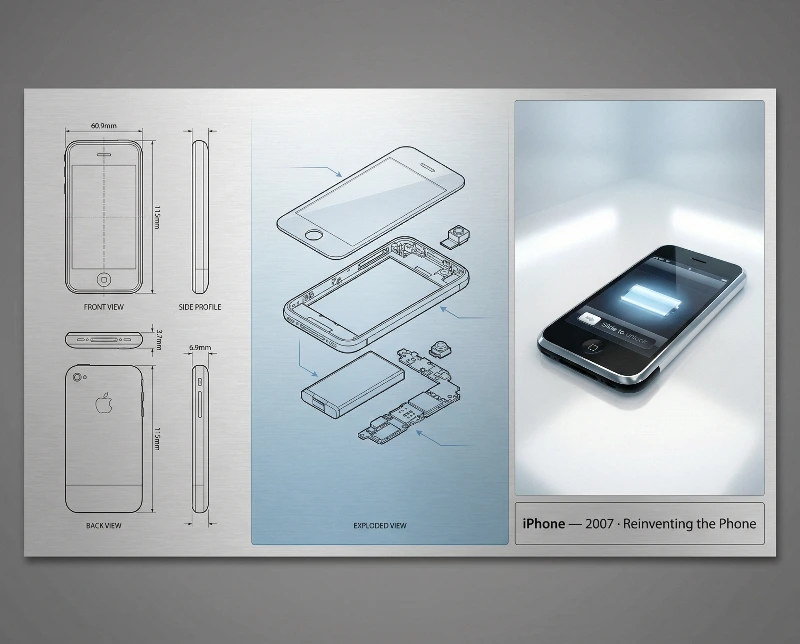
2026 Feminine Vision Board
The "vision board" is a more organic version of a grid. It uses overlapping frames, handwritten text, and varied shot sizes to convey a mood rather than a strict sequence.
Create a high-aesthetic 2026 vision board collage combining beautiful lifestyle photos with visible inspirational text and affirmations... Text is a key element... Some text handwritten over images, some typed cleanly.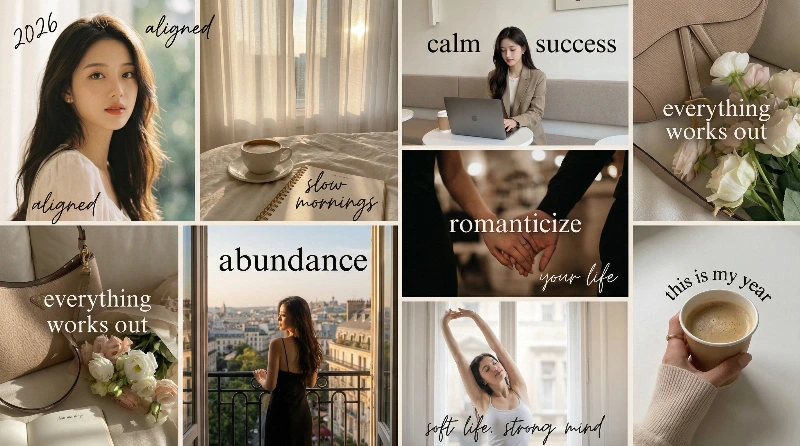
Coffee Journey: Real vs Comic
This prompt uses a "comic strip panel" logic to show the "inner story" behind a single image. It’s a clever way to use multi-panel layouts for humor and psychological depth.
Behind her, the background transforms into a detailed black-and-white comic strip featuring the same woman as a cartoon character. The panels tell the story of her coffee journey: desperately needing caffeine, finally achieving peace.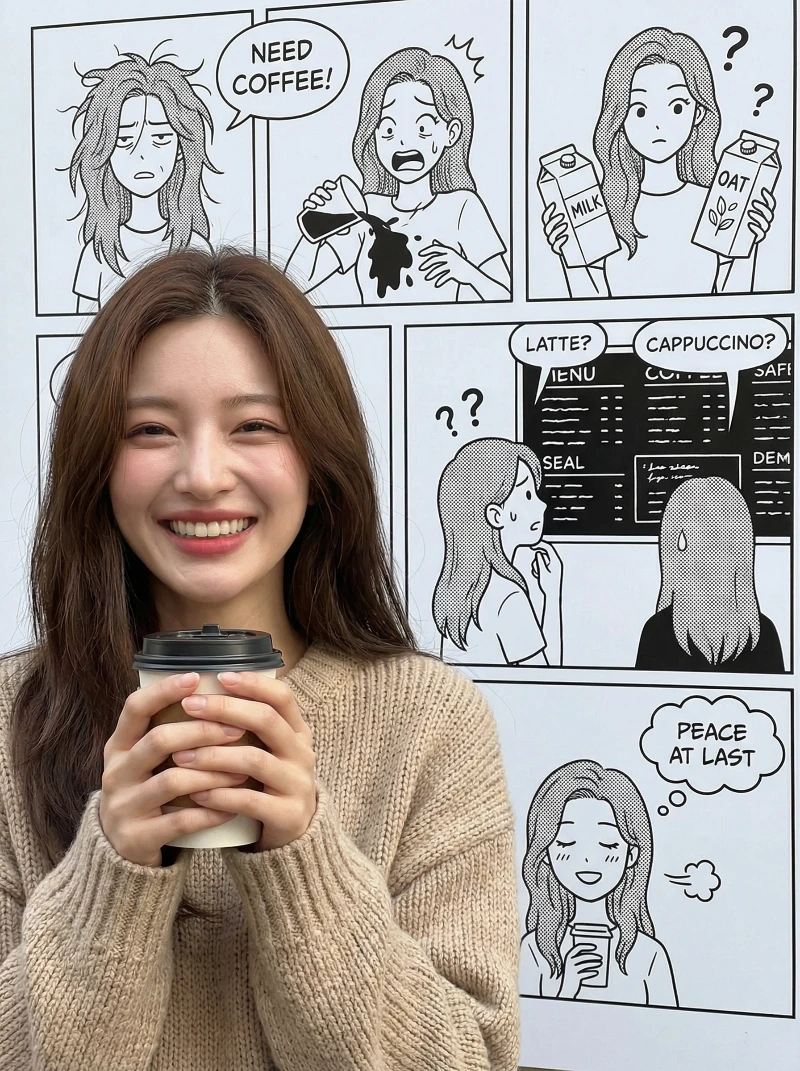
Gingerbread Cookie Handover
This example uses a "two-panel split" (a diptych) to create a clever interaction. The separation between panels actually becomes part of the joke, as characters "reach across the line."
Key requirement: the faces of the two characters on both sides must be exactly identical... Left panel: reaching across the central dividing line as if trying to hand over a cookie... Right panel: mouth open, reaching across the dividing line to receive.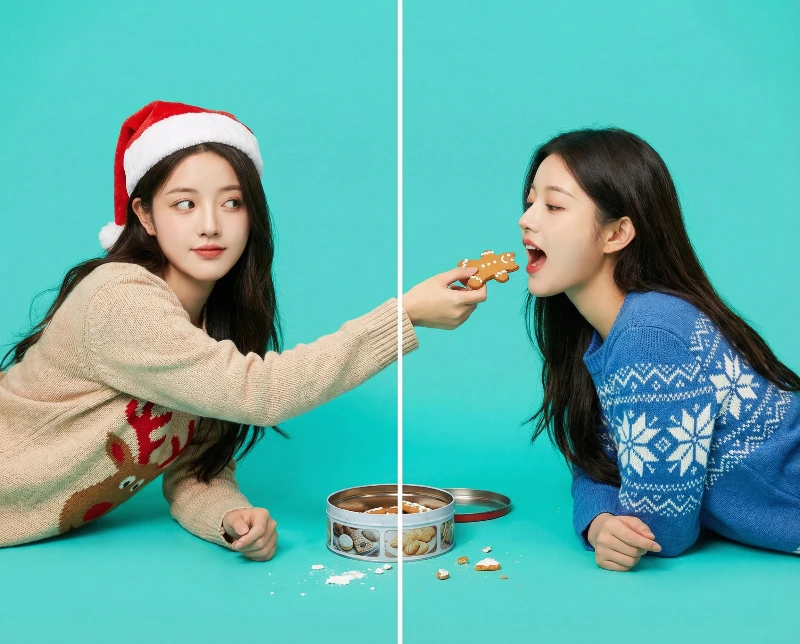
Pro Tips for Nano Banana Layout Prompts
- Specify the Matrix: Don't just say "grid." Say "2x2 grid," "3x3 grid," or "triptych" for better control over the count.
- The "Consistent Outfit" Rule: If you want the AI to understand that the same person is in all panels, explicitly mention "consistent outfit" or "identity lock."
- Use "Split-Screen" vs. "Collage": Use "split-screen" when you want a clean vertical or horizontal cut. Use "collage" for more organic, overlapping layouts.
- Define Background Harmony: If your grid has a background, specify it. Words like "clean solid background" help the AI isolate the panels so they don't bleed into each other.
- Control the Borders: You can specify "white border," "black grid lines," or "no wasted space" to dictate how the AI handles the gaps between panels.
Ready to start building your own sequences? Check out our latest nano banana prompts for more inspiration!