
Reference Images:
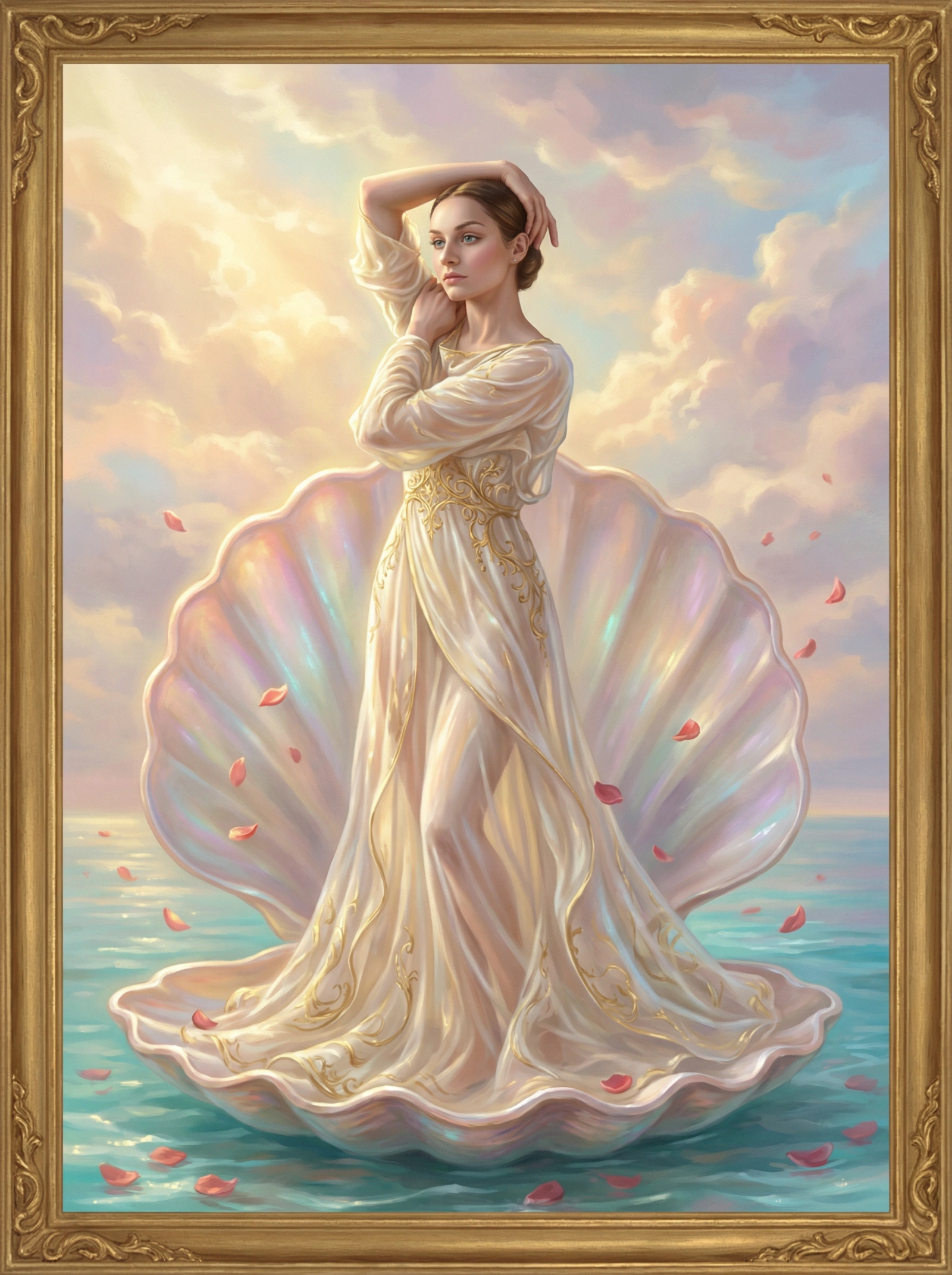
Goddess Emerges from Shell
Prompt
A divine woman inspired by classical mythology, emerging from a giant pearlescent seashell resting on shallow turquoise water. She wears a flowing, semi-translucent ivory gown that drapes like liquid marble, adorned with subtle gold filigree patterns. Soft rose petals float through the air as warm sunlight filters through pastel clouds. Her posture is graceful and statuesque, with serene, goddess-like expression. Highly detailed painterly style combining Renaissance aesthetics with modern fantasy illustration, delicate brush strokes, soft glow, and ornamental framing.
Aspect Ratio
Model
Nano Banana ProYou might also like
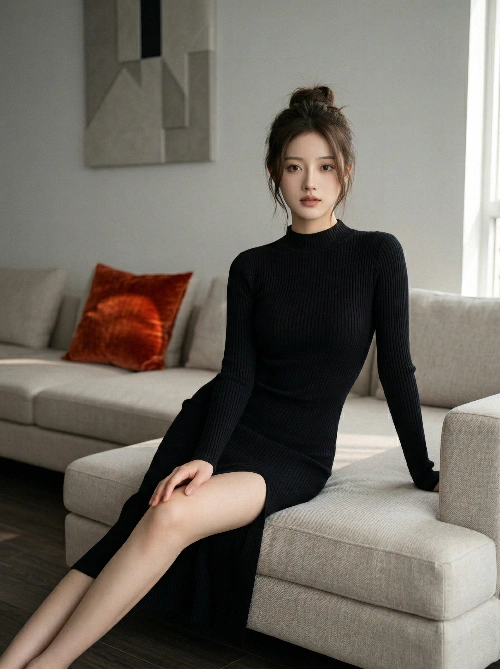
Elegant Home Fashion Portrait
Core Concept Using the uploaded real female subject as the visual reference, generate a magazine-quality fashion indoor portrait. The image should convey a calm, intimate, and luxurious modern atmosphere, capturing the subject’s elegant and relaxed state in a home environment, achieving the realism and artistic expression of high-end editorial photography. Subject Reference and Styling Reference: Strictly follow the facial features, body proportions, and personal aura of the uploaded subject. Emphasize refined facial structure and a slender, elegant figure. Expression: Calm with a subtle sense of focus; soft, confident, and slightly penetrating gaze directed at the camera, creating a delicate and intimate allure. Hairstyle: Long dark brown hair, loosely tied at the back into a slightly messy bun with natural volume, with a few loose strands falling along the sides of the face. Makeup and Accessories: Clean, natural makeup—almost no-makeup look. Accessories should be minimal, such as small earrings or none at all. Outfit and Pose Clothing: A black ribbed knit long-sleeve dress with a high neckline. The dress is form-fitting, contouring the body shape, with a high side slit that subtly reveals the leg depending on the pose. Pose: Seated gracefully on a light beige sectional sofa. The body is slightly angled toward the camera; one leg is bent and placed on the sofa, while the other extends forward, naturally revealing the leg through the slit. One hand rests casually on the bent knee, while the other is relaxed on the sofa cushion. The pose is composed, elegant, with a slight forward-leaning engagement. Environment and Lighting Environment: A modern interior living room. The background wall is gray-white, featuring a warm-toned abstract geometric artwork. The floor is dark wood. The space is clean and minimal, with a single accent color provided by an orange-red cushion on the sofa. Lighting: Soft natural daylight, simulating diffused light entering from a side window. Lighting is even with soft shadows, low to medium contrast. Color temperature is neutral-warm, creating a cozy and inviting atmosphere. Composition and Image Quality Composition: Medium-wide shot capturing the full seated pose on the sofa. The camera is positioned slightly above eye level with a subtle angle. Use the rule of thirds, placing the subject slightly to the right, balanced by the wall art. A slight foreground blur on the right edge (such as a wall or frame edge) can be included. Technical: Simulate a 35mm to 50mm lens perspective, with shallow to medium depth of field—sharp focus on the subject, slightly blurred background. Style and Quality: High-end fashion magazine photography style. Clean, ultra-high resolution image with neutral color grading, slightly warm highlights, and slightly reduced saturation for a refined, understated aesthetic. Avoid harsh shadows, overexposure, cluttered backgrounds, anatomical errors, low resolution, watermarks, or text. Mood and Atmosphere Overall Mood: Minimalist, fashionable, mature, and refined. Atmosphere: Calm, intimate, modern luxury—capturing an effortless sense of sophistication and the quiet charm of everyday living.
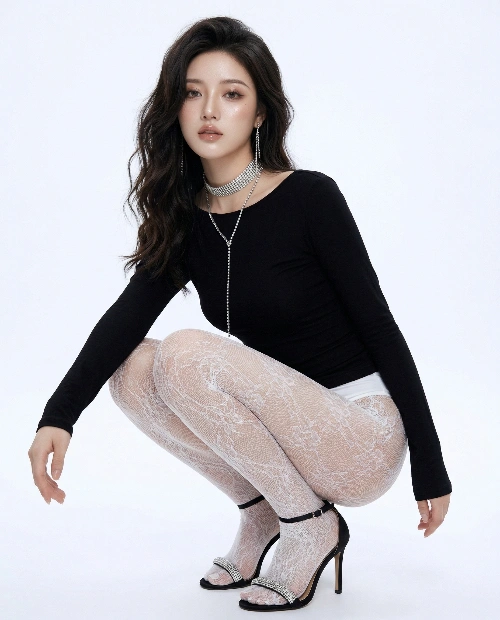
Sensual Low Squat Fashion Port
Using the real female subject you uploaded as the visual baseline, generate an ultra-high-detail, photography-grade realistic fashion portrait. The image should focus on a dynamic low squatting pose, presenting a sensual yet high-fashion outfit against a pure white soft-lit background. The overall mood should blend sensuality, confidence, and avant-garde fashion, with detail rendered to an extreme 8K level. Character Baseline and Styling Baseline: Strictly follow the facial features, structure, and personal aura of the woman in the uploaded image. Her distinctive facial contours must be clearly recognizable. Expression: Sensual and confident, with slightly parted lips. Makeup should be a captivating nude glam style, emphasizing highlighted cheekbones, subtly smoky eye makeup, and glossy, hydrated lips. Hairstyle: Voluminous, softly curled long hair, styled into loose waves, side-parted and falling naturally over the shoulders. Clothing, Accessories, and Pose Outfit: Top: A minimalist black long-sleeve top with a wide neckline. Bottom: Paired with white underwear, layered with white lace tights covering the legs and feet; the lace should display a delicate semi-transparent texture. Footwear: A pair of black stiletto heeled sandals, featuring ankle straps and embellished toe straps with sparkling accents, worn over the lace tights. Accessories: Necklaces: A bold, sparkling rhinestone choker, paired with a long, slender Y-shaped necklace extending down toward the abdomen. Earrings: A pair of long dangling earrings. Pose: The subject is in a low squatting position. The right leg is deeply bent, while the left leg casually crosses over the right thigh. The right arm is extended to support the body on the ground, and the left hand rests loosely near the knee. The pose should convey strong balance, dynamic tension, and a sense of relaxed elegance. Environment and Lighting Environment: A clean white seamless studio background with soft diffusion, free of any distractions. Lighting: Bright, even studio lighting. The light should clearly define the body contours, the intricate textures of the clothing (especially the lace), and produce precise highlights and reflections on accessories such as rhinestones and metal, creating a clean, bright, and layered lighting effect. Composition and Image Quality Composition: Medium-to-close framing, focusing on the pose and upper body. The camera angle is slightly top-down to enhance the compositional tension and visual impact of the squatting pose. Technical: Photorealistic, ultra-detailed style. Sharp focus is required, accurately rendering all complex materials including skin texture, hair strands, lace patterns, jewelry facets, and the sheen of the footwear. Image Quality: 8K ultra-high resolution with extremely rich detail. The image must be clean and sharp, achieving the level of polish and artistic quality of top-tier fashion editorials. Mood and Style Overall Style: Sensual, high-end, avant-garde fashion editorial aesthetic. Atmosphere: Within a minimalist setting, use pose, lighting, and fine detail to convey a controlled sensual allure and an effortlessly rebellious fashion attitude.
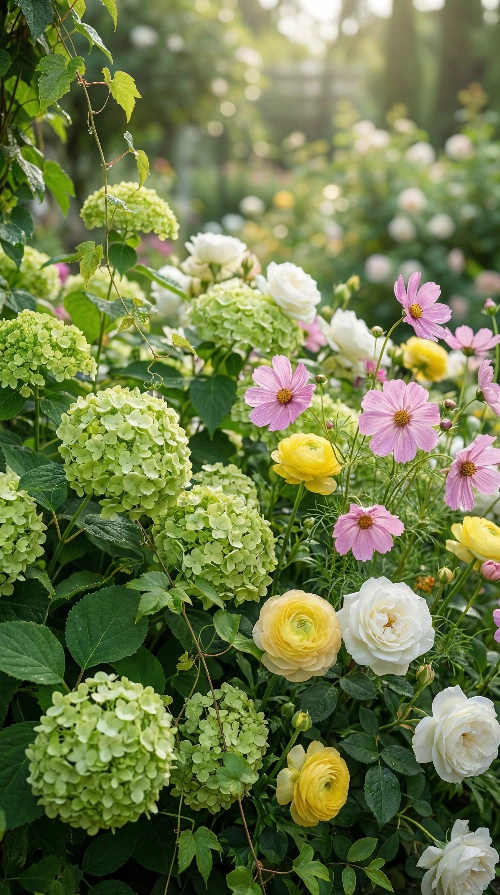
Vibrant Green Flower Bloom
{ "prompt": "Create a stunning wallpaper featuring lush green flowers in full bloom, with vibrant colors and delicate petals, set against a soft, blurred background", "style": "realistic", "resolution": "4K", "colors": ["green", "white", "yellow", "pink"], "elements": ["flowers", "leaves", "vines"] }
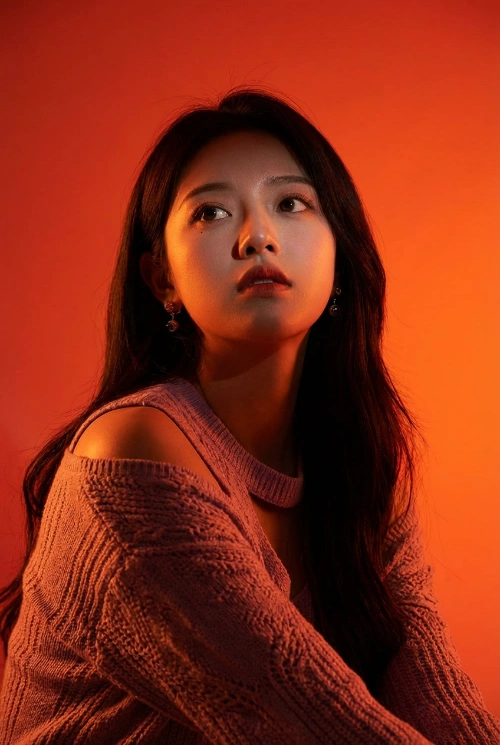
Heroic Dramatic Studio Port
{ "meta": { "title": "Heroic Dramatic Studio Portrait", "role": "World-class photographer specializing in editorial portraits", "aesthetic": "Dramatic, saturated studio lighting with a heroic feel" }, "constraints": { "identity_anchor": { "source": "ATTACHED REFERENCE PHOTO", "strictness": "Critical", "instruction": "Perfectly preserve exact facial features, skin tone, hairstyle, and natural likeness without changes." }, "clothing_anchor": { "source": "EXACTLY AS IN REFERENCE PHOTO", "strictness": "Critical", "instruction": "Style, color, material, and fit must fully correspond to the original without stylization." } }, "subject_details": { "expression": "Serious, tense, focused", "gaze": "Directed away from camera, into space above", "universality": "Lighting and angle applicable regardless of gender" }, "composition": { "background": "Saturated solid orange-red backdrop, smooth intense gradients, no patterns, 'hot' atmosphere", "camera_angle": "Low angle (shot from below upwards) to create dominance", "framing": "Medium close-up, emphasis on face and shoulders" }, "lighting": { "palette": "Dominant bright oranges and deep red shades", "key_light": "Strong directional source, deep dramatic shadows (chiaroscuro), emphasizing facial structure", "backlight": "Powerful expressive rim light or color halo separating subject from background", "mood": "Mysterious, tense, high-contrast" }, "technical_specs": { "style": "Photorealism, high detail", "focus": "Sharp focus on face vs smooth gradient background", "texture_quality": "Preserve natural pores and skin texture" }, "combined_prompt_text": "World-class editorial portrait, dramatic studio lighting, heroic feel. [REFERENCE PHOTO IDENTITY PRESERVED]: Exact facial features, skin tone, hairstyle. [CLOTHING EXACT MATCH]: No changes to fit or material. Expression: serious, tense, focused, looking up and away. Background: Saturated solid orange-red, smooth intense gradients, hot atmosphere. Camera Angle: Low angle shot from below for dominance. Framing: Medium close-up. Lighting: Bright orange and deep red palette, strong directional chiaroscuro key light, powerful rim light separating subject from background. Technical: Photorealistic, high detail, sharp focus on face, natural skin texture and pores." }

Whimsical 3D Cartoon Character
A 3D cartoon-style render of a [subject], with a soft matte translucent body in [color1] and glowing [color2] accents. Features include oversized head, exaggerated facial features, and fun accessories. Subtle internal glow and ambient lighting, centered on a dark gradient background. Stylized in a playful and imaginative atmosphere.
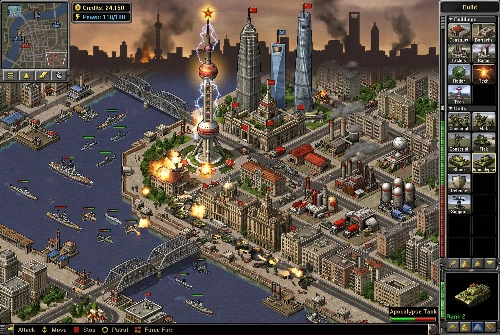
Retro Shanghai RTS Battle
Retro real-time strategy game screenshot in the visual style of the classic 2000s RTS game Red Alert 2. Isometric top-down battlefield map set in modern Shanghai, China. The terrain, roads, rivers, and city layout resemble Shanghai, with recognizable landmarks adapted into RTS game structures: Oriental Pearl Tower functioning as a tech structure, Shanghai Tower and Jin Mao Tower appearing as tall futuristic command buildings, Bund waterfront converted into defensive structures and walls, Huangpu River crossing the map with RTS bridges. Dense Shanghai urban districts turned into RTS base layouts with factories, power plants, radar domes, barracks, and refineries designed using Shanghai architectural elements and Chinese urban aesthetics. Classic RTS base-building scene: construction yards, tank factories, power plants, radar dishes, missile turrets, and supply depots integrated with Shanghai-style buildings and skyline silhouettes. Units include tanks, infantry squads, helicopters, and naval units moving around the Huangpu River. Explosions, smoke, and battle effects typical of early 2000s RTS games. Authentic retro game interface: classic RTS UI panels, minimap in the corner, unit selection boxes, build menu icons, health bars above units, resource counters, and command buttons similar to early RTS interfaces. Pixel-art inspired textures and slightly low-resolution sprites to mimic early 2000s PC game graphics. Camera perspective: classic isometric RTS camera angle from above, showing a large portion of the battlefield and city layout. Bright strategic map colors with clear terrain segmentation for roads, water, buildings, and base structures. Atmosphere: busy battlefield in a stylized Shanghai warzone, tanks rolling through city streets, defensive turrets near landmarks, helicopters flying over the skyline, naval units in the Huangpu River. Nostalgic early-2000s PC game aesthetic, detailed RTS battlefield composition, cinematic but clearly recognizable as a game screenshot.
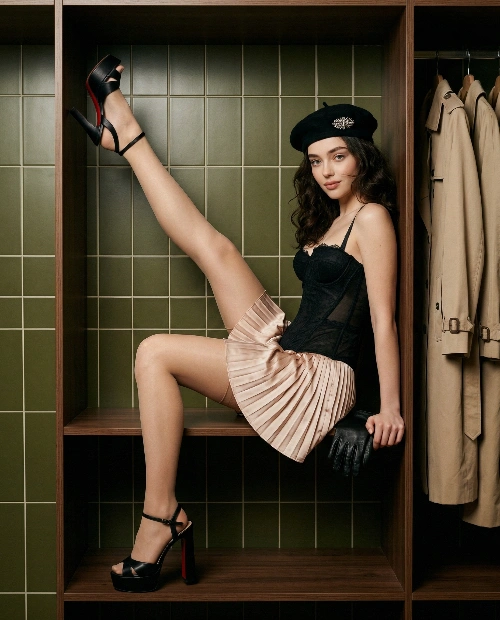
Enclosed Frame Fashion Portrait
[Core Concept] Style Direction: High-fashion editorial portrait photography, blending “frame-within-a-frame” composition with intimate spatial storytelling. Emphasis on precision, restraint, and a gaze-driven visual language. Theme Atmosphere: Refined, intimate, subtly provocative. Capture the subject in a self-presentational moment within an enclosed wardrobe space, conveying composed awareness of being observed through pose and lighting. Reference Baseline: Strictly use the uploaded subject as the sole visual identity source. Accurately reproduce facial structure, proportions, personal aura, and body characteristics without stylization. [Composition and Framing] Aspect Ratio: 4:5 vertical. Camera Angle: Eye-level, aligned with the wardrobe compartment opening (approx. 90 cm height). Visual Focus: “Frame-within-a-frame” — the dark wooden wardrobe compartment acts as a natural frame, fully enclosing the subject. Scene Structure: * The subject is positioned entirely inside the compartment, forming intersecting diagonal body lines. * Left leg raised high, foot pressed against the top frame, forming a strong diagonal from bottom-left to top-right. * Right leg extended horizontally, foot braced against the right inner wall, forming a secondary diagonal. * Torso and head create a third, shorter diagonal line. * Background: deep olive/khaki grid-patterned tiles, contrasting rigid geometry with organic body curves. * Right edge of frame: hanging beige/cream trench coats, adding environmental realism and tonal balance. [Character Rendering] Facial Features: Faithfully reproduce the subject’s facial structure and expression. Expression: Direct eye contact with a subtle smile — composed, slightly provocative. Details: Large expressive eyes, defined lashes, neutral to slightly pouted lips. Head Position: Chin slightly tucked (~5° downward tilt), creating a subtle “looking up through lashes” effect. Skin Tone: Natural with soft blush on cheeks. Hair: * Center-parted, long hair past shoulders. * Left side falls forward over shoulder and chest; right side falls behind. * Soft waves, warm brown tone with subtle highlights under directional light. * A few loose strands fall beneath the beret edge onto the forehead. Body Pose: * Seated inside the compartment. * Back pressed against the left inner wall. * Torso slightly leaning forward and to the right. * Legs form the primary compositional structure (raised left leg, extended right leg). * Arms: left arm mostly hidden behind leg/body; right hand supports on the shelf near the right hip. * Overall body forms a Z-shaped dynamic within the rectangular frame. [Wardrobe and Accessories] Corset: Black structured corset with strong boning; satin or leather finish with subtle sheen. * Sweetheart neckline with black lace trim. * Center front features delicate lacing or bow detail. * Ends at natural waist, revealing transition to skirt. Skirt: Champagne pink satin ultra-mini skirt with pleats, high-waisted. * Fabric catches warm highlights, drawing attention to hips and upper thighs. Footwear: Black platform heeled sandals (ankle strap). * Heel height: 12–15 cm, platform: 3–4 cm. * Open-toe or peep-toe design. * Left raised foot reveals a red sole (Louboutin-inspired), adding a vivid accent. Accessories: * Black military-style beret, tilted to the right side. * Large crystal/rhinestone brooch on the front-right of the beret — brightest specular highlight in frame. * Black leather gloves, removed and placed on the shelf beside the subject. * Nude/transparent stockings with subtle sheen, enhancing leg contours. Color System: Dominant black (corset, shoes, beret, gloves) + champagne pink accent (skirt) + warm nude (skin, stockings) + red highlight (shoe sole) + crystal sparkle (brooch). [Environment and Props] Setting: Luxury walk-in wardrobe interior. Compartment Interior: Deep olive/khaki tiled wall with visible grout lines and subtle matte/metallic finish. Structure: Dark-stained wood frame and surfaces, matte finish. Outer Edge (right): 2–3 hanging garments (beige/cream coats) for realism. Shelf Surface: Black leather gloves placed near the subject’s right hip as a deliberate styling element. [Lighting and Color] Lighting Type: Soft directional key light, editorial and controlled. Direction: From upper-left (~45° angle). * Creates gradient from brighter left to darker right within the compartment. * Soft shadows define face, neck, and body contours without harsh falloff. * Shadows remain detailed, not crushed to black. Material Interaction: * Corset surface captures controlled specular highlights. * Raised left leg (facing light) is brighter than the right, creating tonal separation. * Hanging garments on the right catch slight highlights as secondary accents. Color Science: Inspired by Fujifilm PRO Neg Hi * Professional portrait tones with controlled saturation. * Warm, accurate skin tones (not overly orange). * Champagne pink acts as a controlled highlight accent. * Moderate highlight roll-off; bright but not clipped. * Warm-neutral shadows with depth. * Medium-high contrast for editorial separation. * Minimal grain for clean, professional output. [Emotion and Narrative] Core Mood: Display-case elegance — a living subject consciously presenting herself within a private, enclosed space. Atmosphere: Cocoon-like intimacy — warm, dim, enclosed, and refined. Narrative: Through framing, pose, lighting, and wardrobe, convey themes of self-display, observation, and control within a private environment. [Technical Specifications] Lens: 50mm prime Aperture: f/2.8 Image Quality: Professional digital photography, ultra-detailed, sharp focus on face and pose, 8K resolution Rendering: Hyper-realistic skin and material response, natural light transitions, rich environmental detail, high-end editorial finish
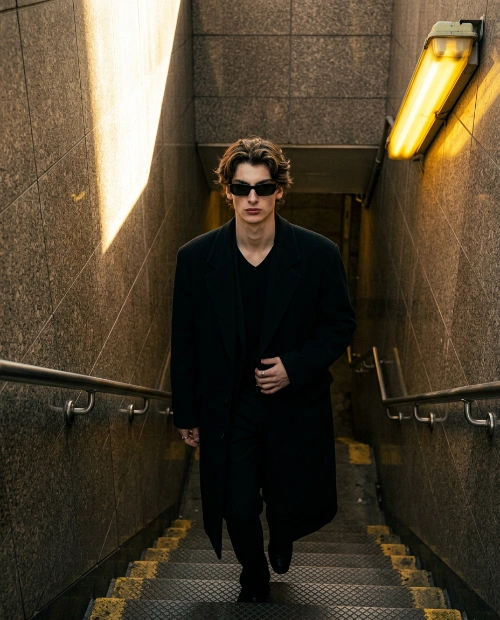
Cinematic Urban Fashion Model
{ "metadata": { "image_type": "photograph", "primary_purpose": "editorial" }, "composition": { "rule_applied": "rule of thirds", "aspect_ratio": "4:5", "layout": "single subject", "focal_points": [ "Subject's face and dark sunglasses", "Yellow fluorescent light fixture leading to the subject" ], "visual_hierarchy": "Eye starts at the subject's face due to contrast with sunglasses, follows the V-neck down the black coat, moves outward along the metallic handrails, and catches the bright sunlight shaft on the left wall and the yellow light on the right.", "balance": "asymmetric" }, "color_profile": { "dominant_colors": [ { "color": "Black", "hex": "#111111", "percentage": "45%", "role": "primary subject" }, { "color": "Warm Gray", "hex": "#7A7269", "percentage": "35%", "role": "background" }, { "color": "Golden Yellow", "hex": "#E5B05C", "percentage": "10%", "role": "accent" } ], "color_palette": "complementary", "temperature": "warm", "saturation": "moderate", "contrast": "high contrast" }, "lighting": { "type": "mixed", "source_count": "multiple sources", "direction": "front", "directionality": "highly directional", "quality": "dramatic", "intensity": "moody", "contrast_ratio": "high contrast (dramatic shadows)", "mood": "mysterious", "shadows": { "type": "harsh defined edges", "density": "deep black", "placement": "under handrails, within stair treads, and engulfing the subject's lower body", "length": "medium" }, "highlights": { "treatment": "blown out", "placement": "on upper left wall from sun shaft, fluorescent light fixture, and reflective handrails" }, "ambient_fill": "present", "light_temperature": "warm (golden)" }, "technical_specs": { "medium": "digital photography", "style": "realistic", "texture": "sharp", "sharpness": "tack sharp", "grain": "digital noise", "depth_of_field": "medium", "perspective": "high angle" }, "artistic_elements": { "genre": "street", "influences": [ "Urban street style fashion photography", "Cinematic cyberpunk/matrix aesthetic" ], "mood": "sophisticated", "atmosphere": "Gritty yet polished urban transit environment with a moody, imposing, and highly stylized fashion presence", "visual_style": "structured" }, "typography": { "present": false, "fonts": [], "placement": "", "integration": "" }, "subject_analysis": { "primary_subject": "Young male model wearing an oversized, structured long black overcoat, black V-neck top, black trousers, and dark rectangular sunglasses, walking down stairs. Hair: Medium length, textured cut (e.g., modern shag/tapered cut). Length: Roughly ear-level/temple-level on the sides, slightly longer and voluminous on top (3-4 inches), with soft layers and natural movement. Texture: Natural wavy texture, showing varied strands, slight frizz, and natural volume (imperfections visible, not 'AI smooth'), styled loosely back from the forehead without a distinct part. Evidence of light matte product application.", "positioning": "center", "scale": "medium", "interaction": "interacting with environment", "facial_expression": { "mouth": "neutral", "smile_intensity": "no smile", "eyes": "direct gaze", "eyebrows": "neutral", "overall_emotion": "serious", "authenticity": "posed" }, "hands_and_gestures": { "left_hand": "resting at waist level, lightly holding the edge of the black overcoat, silver ring visible on finger", "right_hand": "not visible, hidden behind the coat's bulk or swinging backward", "finger_positions": "left hand thumb and index finger slightly curled and gripping fabric, remaining fingers obscured", "finger_interlacing": "none", "hand_tension": "relaxed", "interaction": "holding coat", "naturalness": "deliberately posed" }, "body_positioning": { "posture": "standing", "angle": "facing camera", "weight_distribution": "shifted", "shoulders": "level" } }, "background": { "setting_type": "indoor", "spatial_depth": "medium", "elements_detailed": [ { "item": "Stainless steel handrail", "position": "left", "distance": "foreground", "size": "medium", "condition": "worn", "specific_features": "Tubular metal with distinct mounting brackets and subtle reflections" }, { "item": "Stainless steel handrail", "position": "right", "distance": "midground", "size": "medium", "condition": "worn", "specific_features": "Tubular metal matching the left side, catching edge highlights" }, { "item": "Fluorescent light fixture", "position": "top right", "distance": "background", "size": "medium", "condition": "vintage", "specific_features": "Rectangular housing emitting a strong, warm amber/yellow light" } ], "wall_surface": { "material": "tile", "surface_treatment": "finished", "texture": "perfectly smooth", "finish": "satin", "color": "warm grayish-brown", "color_variation": "patchy", "features": "clean, distinct grid-like grout lines separating large rectangular stone/granite panels, sharp diagonal shaft of warm sunlight hitting the upper left section", "wear_indicators": "industrial" }, "floor_surface": { "material": "concrete", "color": "dark gray with yellow accents", "pattern": "striped" }, "objects_catalog": "Metal diamond-plate stair treads with yellow painted safety edges running horizontally across the bottom and midground, dual tubular stainless steel handrails flanking the stairs, rectangular yellow light fixture mounted to the ceiling angled directly above the stairwell, large rectangular stone tiles covering the walls.", "background_treatment": "sharp" }, "generation_parameters": { "prompts": [ "Editorial street style photography, a handsome young man with medium length, textured modern shag haircut showing natural wavy movement and styled loosely back. He wears dark rectangular sunglasses, a long black oversized wool coat, and an all black outfit, walking down urban subway stairs. The walls are made of large polished brown-gray stone tiles with visible grid grout lines. A dramatic shaft of warm golden sunlight hits the upper left wall. A vintage yellow fluorescent light fixture is on the upper right ceiling. The stairs are concrete with metal edges and yellow safety paint. Stainless steel handrails. Cinematic lighting, deep dramatic black shadows, sharp focus, 85mm lens, high contrast, moody, fashionable underground matrix aesthetic.", "Cinematic fashion portrait, male model in structural black overcoat descending transit stairs, medium length textured hair with soft waves, tinted glasses. High angle shot looking down the steps. Brutalist architecture background, granite wall panels. Mixed lighting featuring harsh geometric sunbeams on the wall contrasting with artificial yellow ambient light. Gritty texture, high dynamic range, hyper-realistic, sophisticated urban mood." ], "keywords": [ "street style", "oversized black coat", "subway stairs", "cinematic lighting", "medium length hair", "textured hair", "modern shag" ], "technical_settings": "85mm lens, f/4.0 aperture for medium depth of field keeping background architectural elements recognizable, 1/250s shutter speed, ISO 400. Metered to preserve the sun shaft highlight while letting shadows fall to deep blacks.", "post_processing": "Color grading to enhance warm golden highlights against neutral/cool shadows, boosted contrast curve, subtle film grain introduced in the deep shadow areas for texture." } }