
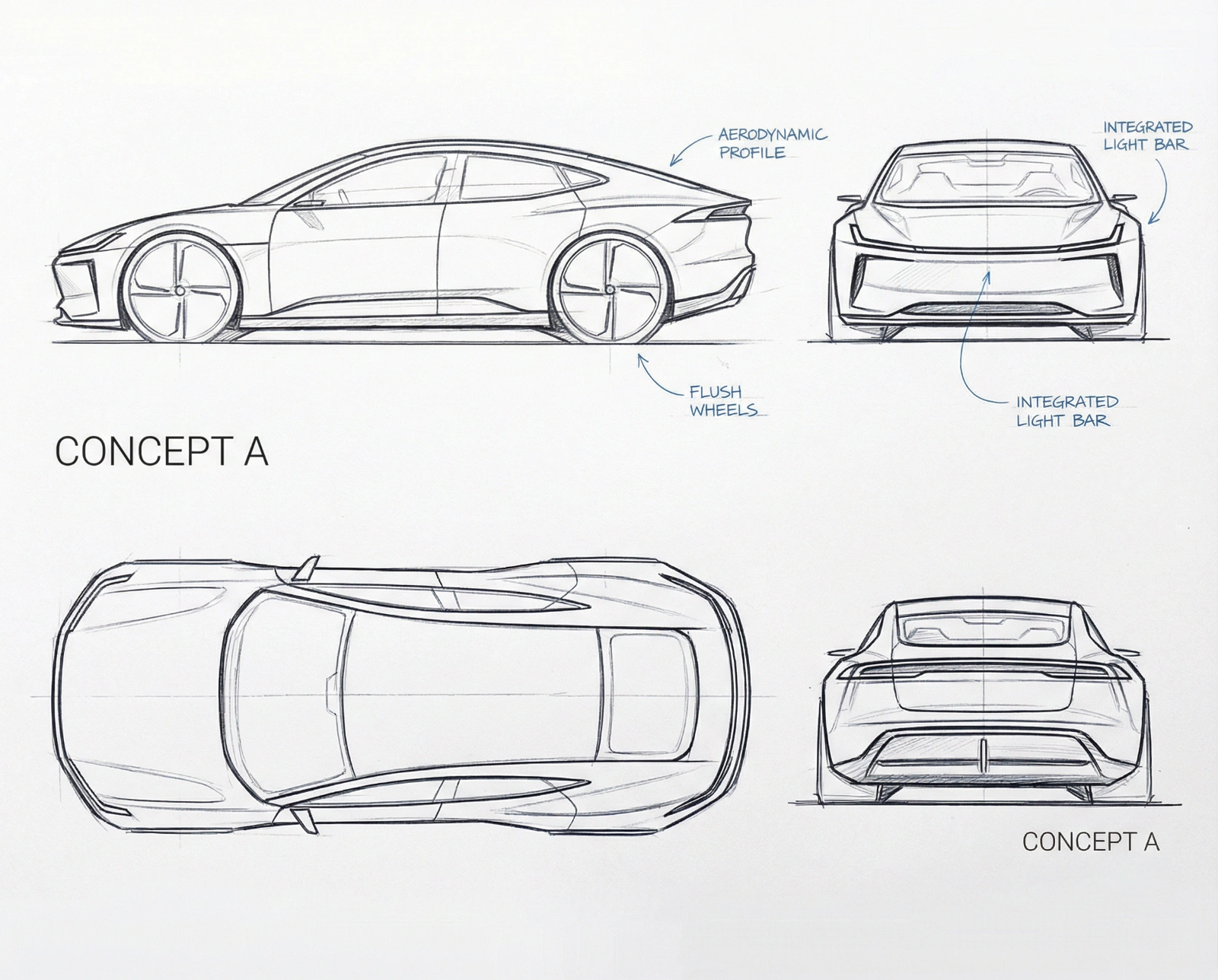
Minimalist Car Sketch
Prompt
Industrial design, concept sketches, [car], multiple-view drawing, modern minimalism, clean lines, white background
Aspect Ratio
Source
@azed_aiModel
Nano Banana ProYou might also like
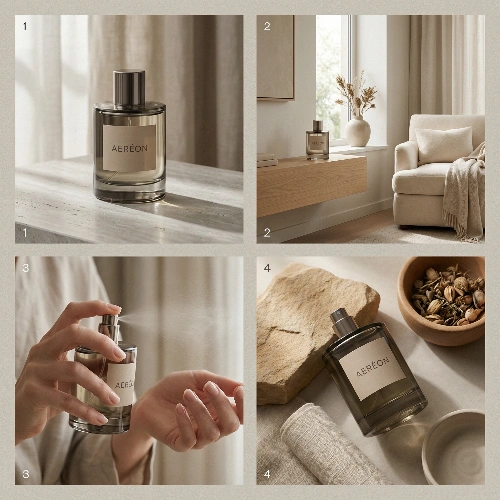
AERÉON Luxe Sensory Grid
{ "Objective": "Create a refined 2×2 grid advertisement for the luxury home fragrance 'AERÉON', emphasizing mood, atmosphere, and sensory elegance through minimal, editorial-style visuals.", "Canvas": { "Aspect_Ratio": "1:1", "Grid_Structure": "2×2 equal panels", "Orientation": "Square", "Use_Case": [ "Luxury brand social media", "Home & lifestyle campaigns", "E-commerce product storytelling", "Editorial-style digital ads" ] }, "Panels": [ { "Panel_Number": 1, "Title": "Hero Fragrance Object", "Description": "Studio hero shot of the AERÉON fragrance bottle centered on a stone or wood surface.", "Visual_Details": { "Lighting": "Soft diffused light with gentle shadows", "Background": "Neutral warm tones linen", "Focus": "Bottle shape, glass quality, minimalist label", "Mood": ["Elegance", "Calm", "Premium"] } }, { "Panel_Number": 2, "Title": "Atmospheric Interior", "Description": "Lifestyle interior scene with the fragrance placed on a shelf or table.", "Visual_Details": { "Setting": "Modern, serene living space", "Lighting": "Natural window light", "Mood": ["Comfort", "Warmth", "Refined living"] } }, { "Panel_Number": 3, "Title": "Scent Ritual Detail", "Description": "Close-up of hands interacting with the fragrance (spraying or opening).", "Visual_Details": { "Focus": "Human interaction and ritual", "Depth_of_Field": "Shallow and intimate", "Mood": ["Sensory", "Personal", "Mindful"] } }, { "Panel_Number": 4, "Title": "Material & Mood", "Description": "Macro or still-life composition featuring fragrance alongside natural elements.", "Visual_Details": { "Elements": ["Stone", "Linen", "Wood", "Ceramic"], "Lighting": "Soft highlights, low contrast", "Mood": ["Natural", "Timeless", "Atmospheric"] } } ], "Branding": { "Product_Name": "AERÉON", "Brand_Personality": "Quiet luxury, modern, sensory-focused", "Color_Palette": ["Warm Beige", "Soft Taupe", "Smoked Glass"], "Logo_Presentation": "Minimal, understated, centered or embossed" }, "Visual_Style": { "Style_Keywords": [ "Luxury home lifestyle advertising", "Editorial still-life photography", "Minimalist composition", "High realism", "Soft natural tones" ] }, "Camera_And_Lighting": { "Photography_Type": "Editorial and commercial hybrid photography", "Shot_Types": [ "Hero product shot", "Interior lifestyle shot", "Macro detail", "Still-life composition" ], "Lighting_Style": "Natural window light with soft diffusion", "Exposure": "Low contrast, warm, balanced", "Shadows": "Soft and organic" }, "Mood_Keywords": [ "Calm", "Refined", "Atmospheric", "Elegant", "Warm", "Sensory" ], "Negative_Prompt": [ "Harsh lighting", "Cluttered interiors", "Cheap glass appearance", "Bold or loud colors", "Unreadable labels", "CGI or artificial look", "Over-styling", "Watermarks", "Text overlays" ] }
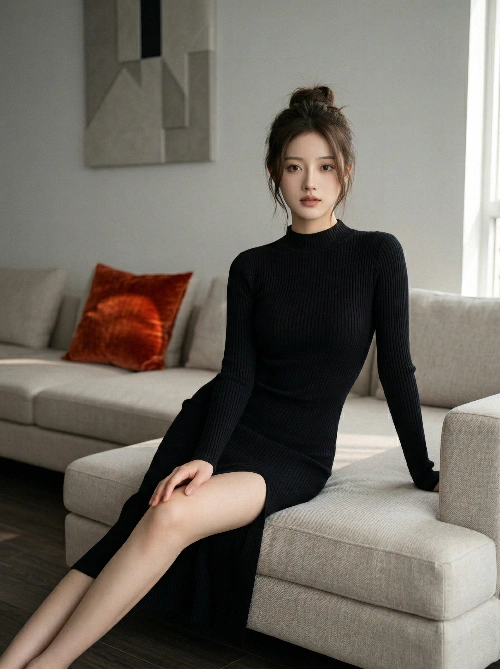
Elegant Home Fashion Portrait
Core Concept Using the uploaded real female subject as the visual reference, generate a magazine-quality fashion indoor portrait. The image should convey a calm, intimate, and luxurious modern atmosphere, capturing the subject’s elegant and relaxed state in a home environment, achieving the realism and artistic expression of high-end editorial photography. Subject Reference and Styling Reference: Strictly follow the facial features, body proportions, and personal aura of the uploaded subject. Emphasize refined facial structure and a slender, elegant figure. Expression: Calm with a subtle sense of focus; soft, confident, and slightly penetrating gaze directed at the camera, creating a delicate and intimate allure. Hairstyle: Long dark brown hair, loosely tied at the back into a slightly messy bun with natural volume, with a few loose strands falling along the sides of the face. Makeup and Accessories: Clean, natural makeup—almost no-makeup look. Accessories should be minimal, such as small earrings or none at all. Outfit and Pose Clothing: A black ribbed knit long-sleeve dress with a high neckline. The dress is form-fitting, contouring the body shape, with a high side slit that subtly reveals the leg depending on the pose. Pose: Seated gracefully on a light beige sectional sofa. The body is slightly angled toward the camera; one leg is bent and placed on the sofa, while the other extends forward, naturally revealing the leg through the slit. One hand rests casually on the bent knee, while the other is relaxed on the sofa cushion. The pose is composed, elegant, with a slight forward-leaning engagement. Environment and Lighting Environment: A modern interior living room. The background wall is gray-white, featuring a warm-toned abstract geometric artwork. The floor is dark wood. The space is clean and minimal, with a single accent color provided by an orange-red cushion on the sofa. Lighting: Soft natural daylight, simulating diffused light entering from a side window. Lighting is even with soft shadows, low to medium contrast. Color temperature is neutral-warm, creating a cozy and inviting atmosphere. Composition and Image Quality Composition: Medium-wide shot capturing the full seated pose on the sofa. The camera is positioned slightly above eye level with a subtle angle. Use the rule of thirds, placing the subject slightly to the right, balanced by the wall art. A slight foreground blur on the right edge (such as a wall or frame edge) can be included. Technical: Simulate a 35mm to 50mm lens perspective, with shallow to medium depth of field—sharp focus on the subject, slightly blurred background. Style and Quality: High-end fashion magazine photography style. Clean, ultra-high resolution image with neutral color grading, slightly warm highlights, and slightly reduced saturation for a refined, understated aesthetic. Avoid harsh shadows, overexposure, cluttered backgrounds, anatomical errors, low resolution, watermarks, or text. Mood and Atmosphere Overall Mood: Minimalist, fashionable, mature, and refined. Atmosphere: Calm, intimate, modern luxury—capturing an effortless sense of sophistication and the quiet charm of everyday living.

Whimsical 3D Cartoon Character
A 3D cartoon-style render of a [subject], with a soft matte translucent body in [color1] and glowing [color2] accents. Features include oversized head, exaggerated facial features, and fun accessories. Subtle internal glow and ambient lighting, centered on a dark gradient background. Stylized in a playful and imaginative atmosphere.
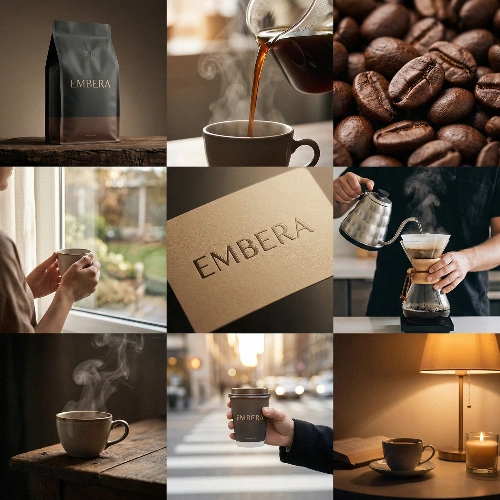
EMBERA Artisan Coffee Grid
{ "Objective": "Create a visually rich 3×3 grid coffee advertisement for EMBERA artisan coffee, blending product beauty, sensory moments, and lifestyle rituals to communicate quality, warmth, and craft.", "Canvas": { "Aspect_Ratio": "1:1", "Grid_Structure": "3×3 equal panels", "Orientation": "Square", "Use_Case": [ "Instagram grid campaigns", "Coffee brand storytelling", "Website visual sections", "Digital and print coffee advertising" ] }, "Panels": [ { "Panel_Number": 1, "Title": "Hero Coffee Package", "Description": "Studio hero shot of EMBERA coffee bag or canister.", "Visual_Details": { "Lighting": "Soft directional light", "Background": "Dark wood or stone surface", "Mood": ["Premium", "Crafted", "Bold"] } }, { "Panel_Number": 2, "Title": "Fresh Brew Pour", "Description": "Coffee being poured into a ceramic cup.", "Visual_Details": { "Focus": "Liquid flow and steam", "Mood": ["Warm", "Inviting"] } }, { "Panel_Number": 3, "Title": "Roasted Bean Detail", "Description": "Macro close-up of roasted coffee beans.", "Visual_Details": { "Texture": "Rich, tactile", "Mood": ["Depth", "Quality"] } }, { "Panel_Number": 4, "Title": "Morning Ritual", "Description": "Person enjoying coffee by a window or table.", "Visual_Details": { "Lighting": "Natural morning light", "Mood": ["Calm", "Routine", "Comfort"] } }, { "Panel_Number": 5, "Title": "Brand Identity Focus", "Description": "Close-up of coffee packaging label or logo.", "Visual_Details": { "Focus": "Typography, material texture", "Mood": ["Identity", "Confidence"] } }, { "Panel_Number": 6, "Title": "Coffee Preparation", "Description": "Hands preparing coffee using a pour-over or espresso machine.", "Visual_Details": { "Mood": ["Craft", "Intentional", "Skill"] } }, { "Panel_Number": 7, "Title": "Cup & Steam Mood", "Description": "Coffee cup with visible steam rising.", "Visual_Details": { "Lighting": "Low-key, atmospheric", "Mood": ["Warmth", "Comfort"] } }, { "Panel_Number": 8, "Title": "Lifestyle On-the-Go", "Description": "Coffee cup held while walking or commuting.", "Visual_Details": { "Motion": "Subtle movement", "Mood": ["Energy", "Modern lifestyle"] } }, { "Panel_Number": 9, "Title": "Evening Coffee Atmosphere", "Description": "Moody shot of coffee setup under warm low light.", "Visual_Details": { "Lighting": "Candlelight or warm lamp glow", "Mood": ["Relaxed", "Sophisticated"] } } ], "Branding": { "Product_Name": "EMBERA", "Brand_Personality": "Warm, artisanal, modern", "Color_Palette": ["Espresso Brown", "Warm Beige", "Charcoal Black"], "Typography": "Modern serif or refined sans-serif" }, "Visual_Style": { "Style_Keywords": [ "Premium coffee advertising", "Editorial food photography", "High realism", "Warm tones", "Minimal clutter" ] }, "Camera_And_Lighting": { "Photography_Type": "Commercial and editorial hybrid photography", "Shot_Types": [ "Hero product shot", "Macro detail", "Lifestyle scene" ], "Lighting_Style": "Natural light mixed with soft studio lighting", "Exposure": "Balanced with rich shadows", "Shadows": "Soft to moody depending on panel" }, "Mood_Keywords": [ "Warm", "Crafted", "Inviting", "Modern", "Comforting", "Premium" ], "Negative_Prompt": [ "Flat lighting", "Watery coffee appearance", "Cheap packaging", "Overexposed highlights", "Cluttered scenes", "Unreadable branding", "CGI or cartoon style", "Oversaturated colors", "Watermarks", "Text overlays" ] }
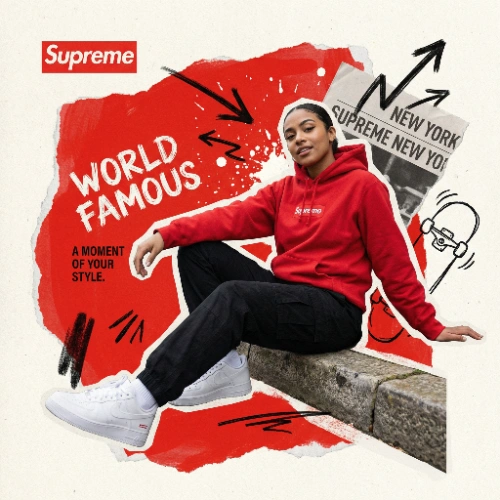
Supreme Dynamic Collage Style
BRAND NAME is Supreme --- [BRAND NAME]. Act as a Social Media Art Director and Digital Collage Artist specializing in bold, youth-oriented brand content for Instagram and digital campaigns. PHASE 1: CONCEPTUAL FRAMEWORK Create a dynamic digital collage that merges fashion photography with graphic design chaos. This is controlled rebellion – a composition that feels spontaneous and energetic while maintaining brand coherence. The aesthetic is anti-polished: torn edges, layered textures, hand-drawn elements, and bold color blocking that screams confidence and movement. PHASE 2: MODEL & PHOTOGRAPHY - Subject: One model (diverse casting, age 18-30) in a dynamic, confident pose - Pose Energy: 80% attitude, 20% natural – sitting, jumping, mid-motion, or power stance (avoid static standing) - Outfit: Street style/athleisure that aligns with [BRAND NAME] aesthetic – casual but styled - Hero Product: Feature 1 signature [BRAND NAME] product prominently (sneakers, bag, apparel) – this is the visual anchor - Photography Style: Editorial fashion cutout – model extracted from background with clean edges - Camera Angle: Slight low angle to empower subject (hero perspective) - Crop: Full body or 3/4 body showing hero product clearly - Background Removal: Model cut out cleanly for layering over collage elements PHASE 3: COLOR BLOCKING FOUNDATION - Primary Color Blob: Large organic shape (40-60% of composition) in bold, saturated brand color behind/around model - Shape Style: Irregular, hand-painted aesthetic – think Photoshop brush strokes or torn paper texture (NOT perfect geometric shapes) - Color Selection (Autonomous): Choose 1 hero color from [BRAND NAME] palette: - Texture: Visible brush strokes, grain, or subtle noise (15-25% opacity) – avoid flat digital fills - Placement: Blob positioned to frame model without obscuring key product details PHASE 4: GRAPHIC ELEMENTS LAYER Add 3-5 abstract graphic elements scattered across composition: - Element Types: - Color Palette: Use 2-3 accent colors total (main blob color + 1-2 contrasting tones from brand palette) - Placement: Asymmetric scatter – top-left and bottom-right zones primarily (avoid center crowding) - Scale: Mix small (5% of canvas) and medium (15% of canvas) elements – nothing overpowering - Aesthetic: Analog/handmade feel – imperfect circles, rough edges, visible texture PHASE 5: TYPOGRAPHY INTEGRATION - Brand Logo: Clean [BRAND NAME] logo placed in upper-left or upper-right quadrant (10-15% of width) - Slogan/Tagline: If [BRAND NAME] has an iconic slogan, integrate it using: - Supporting Copy: Optional 1-line descriptor (e.g., "A MOMENT OF YOUR STYLE") in smaller uppercase sans-serif - Type Treatment: Mix of aligned and slightly rotated text (2-5° angles) for dynamic energy - Hierarchy: Logo largest → Slogan medium → Copy smallest PHASE 6: TEXTURE & BACKGROUND - Base Layer: Off-white or light gray textured background (NOT pure white) - Texture Options (Autonomous selection): - Color: RGB 245-250 (near-white with warmth) – maintains brightness while adding depth - Treatment: Texture should be felt, not seen – enhances tactility without competing with foreground PHASE 7: COMPOSITION RULES - Layout: Asymmetric balance – model off-center, graphic elements counter-balance - Breathing Room: 15-20% negative space (textured background visible) to prevent claustrophobia - Layering Order: Background texture → Color blob → Graphic elements → Model (cutout) → Typography top layer - Focal Point: Model + hero product = primary focus (60% visual weight), graphics support (40%) - Movement: Diagonal lines and angled elements create directional flow (top-left to bottom-right or vice versa) PHASE 8: BRAND INTELLIGENCE (AUTONOMOUS) Autonomously adapt composition based on [BRAND NAME] personality: - Streetwear/Sportswear (Nike, Adidas, Supreme): - Luxury Streetwear (Balenciaga, Off-White, Gucci): - Beauty/Lifestyle (Glossier, Fenty, Skims): - Tech/Modern (Apple, Tesla, Beats): PHASE 9: SOCIAL MEDIA FOOTER (OPTIONAL) - Bottom Strip: Clean white or light gray bar at bottom 8-10% of frame - Content: Social media handles (Instagram, Facebook, Twitter) in small sans-serif - Layout: Three-column grid with platform icons or text handles - Aesthetic: Minimal and professional – contrast with chaotic collage above TECHNICAL SPECS: - Aspect Ratio: 4:5 (Instagram feed) or 1:1 (square social post) - Resolution: 2400x3000px minimum (high-quality for zoom and detail) - Color Mode: sRGB, vibrant saturation (Instagram-optimized) - File Aesthetic: Digital collage that mimics analog craft (Photoshop + hand-drawn hybrid) - Model Photography: 85mm lens, f/2.8, shallow depth of field on original shoot (before cutout) - Style Reference: Nike social campaigns, Spotify wrapped graphics, Gen Z Instagram aesthetics, Hypebeast x streetwear collabs - Mood: Confident, energetic, youthful, authentic chaos, anti-corporate polish
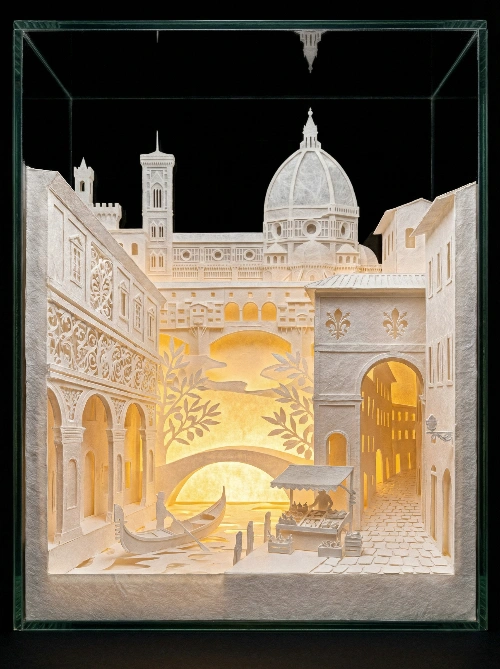
Florence Paper Cut Diorama
CITY_NAME: Florence -- A hyper-detailed 3D layered paper cutting art diorama of [CITY_NAME]. The cityscape features iconic landmarks and recognizable architecture of the city looming in the background, rendered in pure white paper. Buildings and layers are adorned with intricate culturally relevant filigree pattern cutouts and traditional motifs suitable for the location. Characteristic local elements are in the foreground. The entire scene is illuminated by a **radiant, intense warm amber light source from within** the layers. The pure white paper acts as a diffuser, becoming **translucent and glowing brightly**, revealing all intricate details. **Subsurface scattering effect**, **golden hour atmosphere** against a pitch-black background. Miniature world, exquisite texture, 8k resolution. --ar 3:4
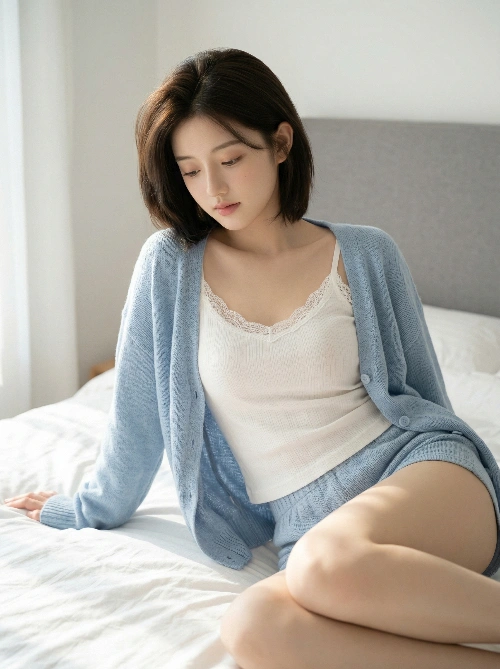
Gentle Morning Bedroom Port
Core Concept Using the uploaded real female subject as the visual reference, generate a soft, healing-style intimate portrait set in a bedroom during gentle morning light. The image emphasizes naturally relaxed posture and understated sensuality, achieving a balance that is modest yet visually engaging, soft yet full of tension. The goal is to create a poetic, emotionally resonant lifestyle narrative. Subject Reference and Styling Reference: Strictly follow the facial features, structure, and youthful aura of the uploaded subject. Preserve her short hairstyle. Expression: Gentle expression with a slightly downward gaze, conveying a blend of laziness and calm introspection. Body language is naturally relaxed with a subtle sense of reserved shyness. Hairstyle: Dark brown short hair, smooth with natural volume, slightly curled at the ends. Clothing: Inner layer: A simple white cotton camisole with slightly wider straps, a small round or subtle U-shaped neckline, possibly with delicate lace trim. The fit follows the natural body shape, subtly outlining curves. Outer layer: A loose, light blue knit cardigan with a relaxed silhouette. The front remains slightly open, faintly revealing the inner layer. Bottom: Matching high-waisted cotton shorts in a similar tone, with length covering mid-thigh. Accessories: Minimal, such as small metal stud earrings (if present in the original reference). Scene, Details, and Interaction Main setting: A private bedroom with a light gray upholstered headboard and soft, voluminous white bedding with natural wrinkles. Pose: A semi-reclining position on the bed, supported naturally by the arms. Legs are gently extended and slightly bent, forming soft body lines. Lighting: Soft morning natural light enters from the left, creating a gentle gradient of light and shadow, highlighting the knit texture, cotton fabric, and bedding folds. Details: Clearly render the layered bedding, knit textures, and camisole strap and neckline details. Use a balance of modest skin exposure and well-fitted clothing to create understated sensuality. Lighting, Composition, and Image Quality Lighting: Soft natural key light with warm, gentle tonal transitions and delicate shadows. Composition: Medium close-up portrait focusing on the upper body and face, with a softly blurred background. Color palette: Low-saturation, soft tones (light blue, off-white, gray) to enhance a calming, healing atmosphere. Image quality: 8K ultra-high resolution with extreme detail in knit fibers, cotton wrinkles, bedding textures, and natural skin luminosity. Style and Keywords Style: Editorial intimate photography × Japanese healing aesthetic × emotional portrait Keywords: soft, subtle, relaxed, natural curves, intimate space, soft lighting, cotton texture, low saturation
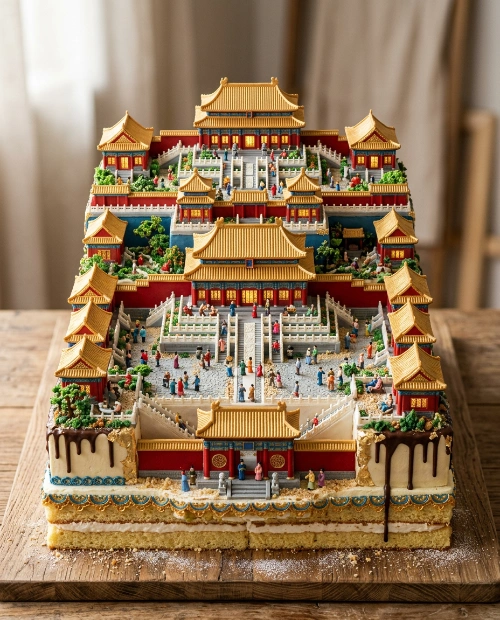
Edible Forbidden City Cake
MONUMENT: The Forbidden City Photorealistic hero product photography shot on Sony A7III with 85mm f/1.4 lens at f/2.8, soft natural daylight from upper left creating gentle realistic shadows and visible surface textures: A giant famous [MONUMENT] masterfully recreated as a delicious multi-tiered edible cake. Visible fluffy sponge cake layers, thick silky buttercream frosting, smooth fondant details, subtle edible gold leaf accents, realistic cake crumbs and ganache drips. The cake tiers ingeniously transformed into a luxurious miniature vibrant living city with tiny glowing windows, staircases, gardens and balconies built into the frosting and sponge. Miniature visitors in tiny colorful clothes walk the buttercream pathways, relax on cake terraces, sip tiny drinks and take photos. Intricate realistic cake textures mixed with whimsical architecture, physically plausible yet surreal. Shot for a luxury architecture magazine cover, ultra-detailed 8K, perfectly centered square composition, no text, no artifacts.