
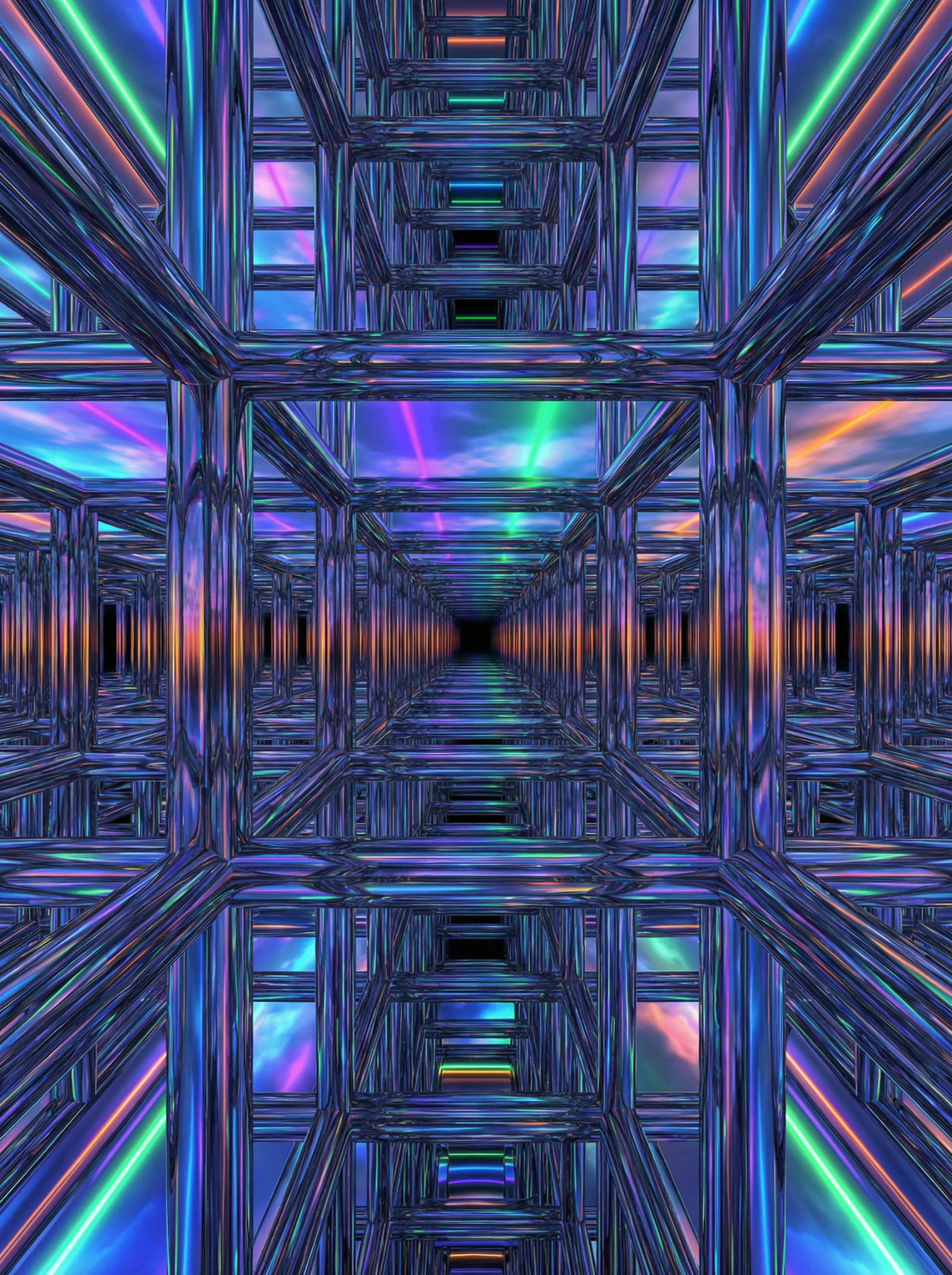
Neon Chrome Fractal
Prompt
Create a digital art piece featuring an infinite fractal landscape. The geometry is self-repeating and mathematical. The material is polished chrome, reflecting a sky filled with neon lights. The result is a hall-of-mirrors effect, creating a psychedelic and disorienting sense of depth.
Aspect Ratio
Model
Nano Banana ProYou might also like
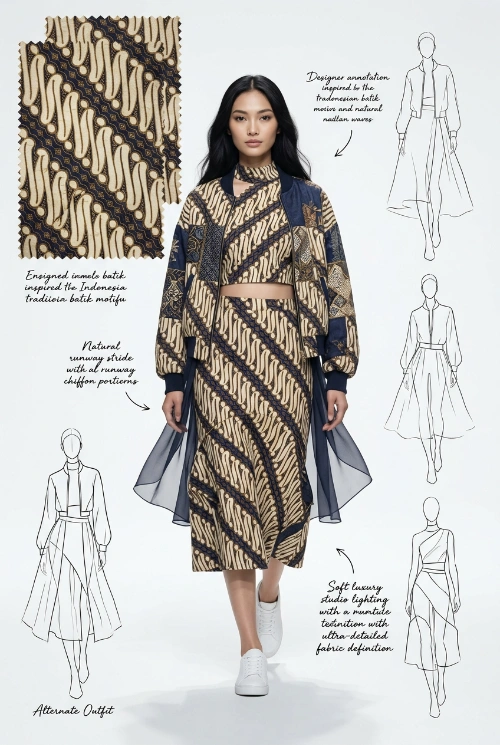
Ultra-Premium Batik Couture Board
{ "prompt": "Ultra-premium luxury fashion designer concept board on a pristine white studio canvas, inspired by high-end couture fashion houses. CENTER MODEL A tall slender Javanese female fashion model with elegant runway proportions walking gracefully in a natural runway stride pose. FASHION THEME Modern couture fashion inspired by traditional Indonesian Batik Parang motif. The textile pattern features flowing diagonal blade-like waves and repeating curved lines with rich tones of deep indigo, warm ivory, and antique gold. OUTFIT DESIGN • Cropped asymmetric mock-neck top decorated with the batik pattern • Relaxed oversized bomber jacket with patchwork batik panels and soft semi-transparent chiffon layers flowing from the waist • Sculptural segmented midi skirt with modern architectural silhouette • Minimalist clean white sneakers MODEL APPEARANCE Long jet-black hair with soft natural waves, delicate oval face, natural makeup, calm confident expression. DESIGN BOARD ELEMENTS • Top-left: enlarged fabric swatch showing the batik texture • Right side: three minimalist fashion sketches • Lower-left: alternate outfit sketch • Elegant handwritten designer annotations across the board LIGHTING Soft luxury studio lighting with subtle shadows and detailed textile highlights. STYLE High-end couture design board, editorial fashion presentation, masterpiece quality, ultra-detailed fabric texture." }
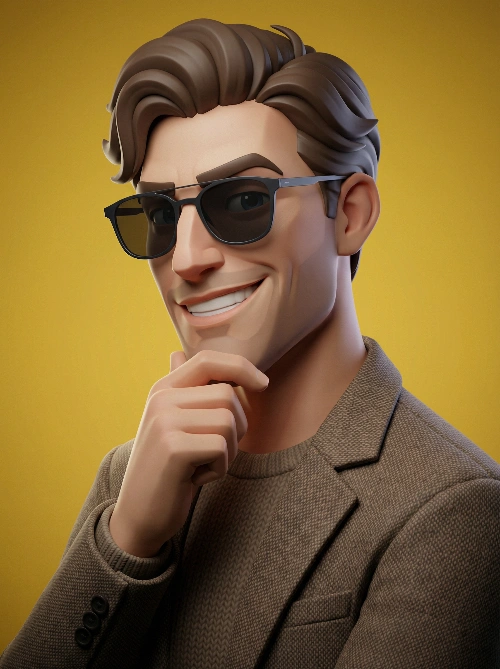
Cinematic 3D Stylized Portrait
High-end stylized 3D character portrait with a cinematic game-inspired aesthetic, transforming the reference person into a refined 3D character with clean angular facial anatomy, simplified yet realistic proportions, defined jawline, expressive eyes and subtle stylization, wearing dark sunglasses with a minimal modern design, shown from the bust up in a three-quarter diagonal angle while striking a thoughtful pose with a relaxed yet intentional posture, one hand subtly raised near the chin as if thinking, combined with a wide exaggerated confident smile that contrasts playfully with the contemplative gesture, set against a solid yellow background, rendered with a professional virtual 3D camera using a medium portrait focal length, dramatic yet controlled studio lighting with a soft key light and subtle rim light creating depth and contrast, strong centered composition with cinematic balance, smooth sculpted surfaces, clean material definition, minimal texture noise and a polished modern stylized 3D render
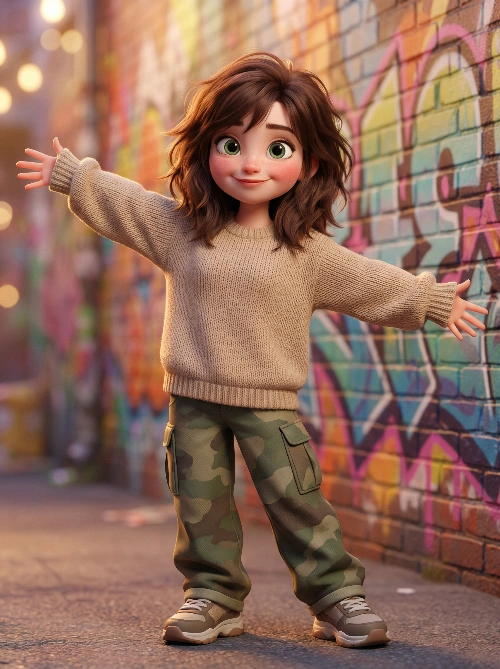
Cute Urban 3D Cartoon Girl
A cute stylized 3D cartoon girl with a Pixar–Disney-inspired look, big expressive green eyes, soft freckles, rosy cheeks, and a warm innocent smile. She is standing confidently in a colorful urban alley with a vibrant graffiti brick wall background, cinematic depth of field and soft bokeh lights. The character has a cozy oversized knitted sweater in a neutral beige tone with long sleeves covering part of the hands. She wears loose-fit cargo pants (olive green / camouflage tone), slightly baggy, paired with chunky casual sneakers. Her pose is joyful and playful with both arms stretched wide outward, conveying happiness and freedom. Hair is medium-length brown, slightly messy yet cute, styled naturally (can be open or lightly tied), with soft realistic strands. Lighting is warm and cinematic, soft ambient glow, ultra-detailed textures, high-quality 3D render, realistic fabric knit details, smooth skin shading, shallow depth of field, vibrant colors, whimsical mood, modern animated movie character style, ultra HD, sharp focus.
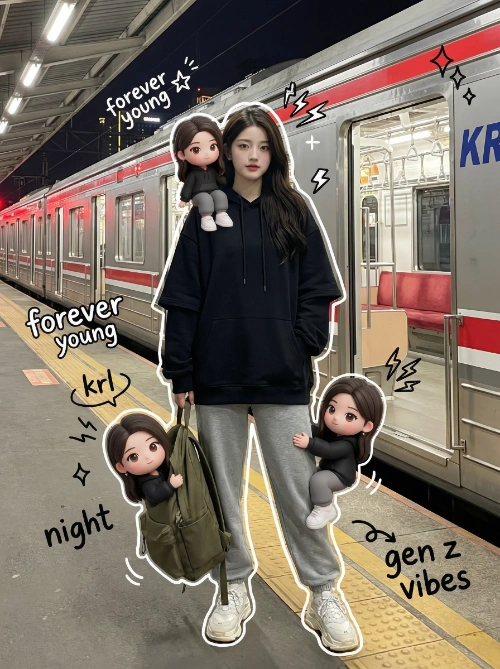
Gen Z Night Train Chibis
A high-quality mixed-media portrait of a trendy Gen Z teenager (using my uploaded person photo) standing on a train station platform at night. The subject is posing coolly, holding the strap of their olive backpack with one hand. They are wearing a stylish Gen Z outfit (oversized streetwear, layered black hoodie, gray sweatpants, and chunky sneakers). The background features a realistic 'KRL Jabodetabek' Commuter Line train side view with its signature red striping, with the train doors wide open, bathed in bright, cinematic station lighting and city night ambiance. Surrounding the realistic main subject are several cute, 3D-style 'Chibi' versions of the theirself. same wears and same face. These chibis are interacting playfully: one is sitting on the subject's shoulder, one is climbing their leg, and another is peeking out from the backpack. Overlay the image with vibrant, hand-drawn doodle effects: white drawn outlines around the subject, playful scribbles, stars, sparkles, electric sparks, and floating white and black handwritten slogans like 'forever young', 'krl', 'night', and 'gen z vibes'. The style should seamlessly blend hyper-realistic photography with colorful, flat cartoon illustrations. Keeping face and all shape person unchanged.

Whimsical 3D Cartoon Character
A 3D cartoon-style render of a [subject], with a soft matte translucent body in [color1] and glowing [color2] accents. Features include oversized head, exaggerated facial features, and fun accessories. Subtle internal glow and ambient lighting, centered on a dark gradient background. Stylized in a playful and imaginative atmosphere.
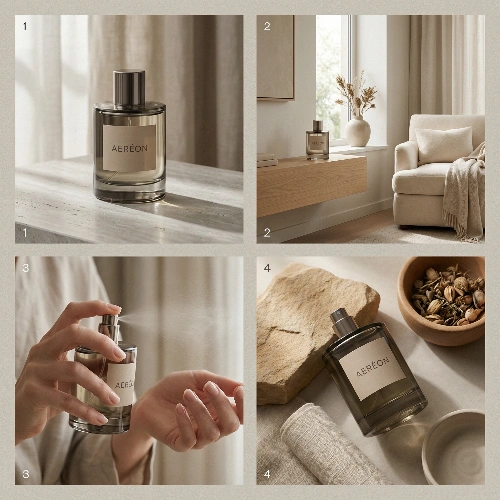
AERÉON Luxe Sensory Grid
{ "Objective": "Create a refined 2×2 grid advertisement for the luxury home fragrance 'AERÉON', emphasizing mood, atmosphere, and sensory elegance through minimal, editorial-style visuals.", "Canvas": { "Aspect_Ratio": "1:1", "Grid_Structure": "2×2 equal panels", "Orientation": "Square", "Use_Case": [ "Luxury brand social media", "Home & lifestyle campaigns", "E-commerce product storytelling", "Editorial-style digital ads" ] }, "Panels": [ { "Panel_Number": 1, "Title": "Hero Fragrance Object", "Description": "Studio hero shot of the AERÉON fragrance bottle centered on a stone or wood surface.", "Visual_Details": { "Lighting": "Soft diffused light with gentle shadows", "Background": "Neutral warm tones linen", "Focus": "Bottle shape, glass quality, minimalist label", "Mood": ["Elegance", "Calm", "Premium"] } }, { "Panel_Number": 2, "Title": "Atmospheric Interior", "Description": "Lifestyle interior scene with the fragrance placed on a shelf or table.", "Visual_Details": { "Setting": "Modern, serene living space", "Lighting": "Natural window light", "Mood": ["Comfort", "Warmth", "Refined living"] } }, { "Panel_Number": 3, "Title": "Scent Ritual Detail", "Description": "Close-up of hands interacting with the fragrance (spraying or opening).", "Visual_Details": { "Focus": "Human interaction and ritual", "Depth_of_Field": "Shallow and intimate", "Mood": ["Sensory", "Personal", "Mindful"] } }, { "Panel_Number": 4, "Title": "Material & Mood", "Description": "Macro or still-life composition featuring fragrance alongside natural elements.", "Visual_Details": { "Elements": ["Stone", "Linen", "Wood", "Ceramic"], "Lighting": "Soft highlights, low contrast", "Mood": ["Natural", "Timeless", "Atmospheric"] } } ], "Branding": { "Product_Name": "AERÉON", "Brand_Personality": "Quiet luxury, modern, sensory-focused", "Color_Palette": ["Warm Beige", "Soft Taupe", "Smoked Glass"], "Logo_Presentation": "Minimal, understated, centered or embossed" }, "Visual_Style": { "Style_Keywords": [ "Luxury home lifestyle advertising", "Editorial still-life photography", "Minimalist composition", "High realism", "Soft natural tones" ] }, "Camera_And_Lighting": { "Photography_Type": "Editorial and commercial hybrid photography", "Shot_Types": [ "Hero product shot", "Interior lifestyle shot", "Macro detail", "Still-life composition" ], "Lighting_Style": "Natural window light with soft diffusion", "Exposure": "Low contrast, warm, balanced", "Shadows": "Soft and organic" }, "Mood_Keywords": [ "Calm", "Refined", "Atmospheric", "Elegant", "Warm", "Sensory" ], "Negative_Prompt": [ "Harsh lighting", "Cluttered interiors", "Cheap glass appearance", "Bold or loud colors", "Unreadable labels", "CGI or artificial look", "Over-styling", "Watermarks", "Text overlays" ] }
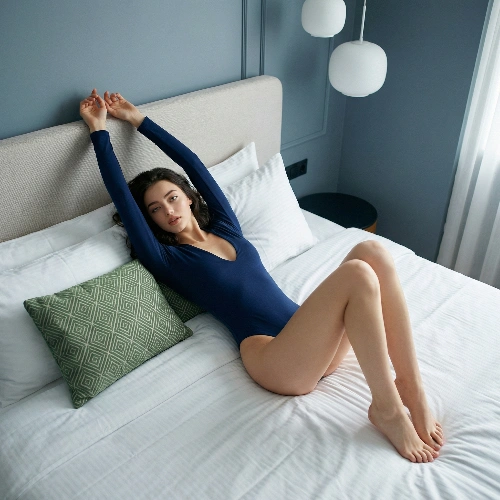
Ultra-Real Fashion Overhead
{ "prompt": "Ultra-realistic overhead fashion editorial photograph of attached celebrity in a modern bedroom setting, exactly replicating the reference pose and composition: lying on her back on a white quilted bed, arms extended straight upward holding the headboard, legs bent at the knees with feet flat on the mattress and soles clearly visible facing upward toward the camera, knees comfortably apart, head tilted back looking up at the camera with relaxed expression, wearing a deep navy blue long-sleeve stretch bodysuit with high leg cut and deep front neckline, barefoot, dark hair with loose waves spread on the pillow, natural daytime makeup with soft lips and defined eyes, contemporary luxury hotel room with blue-gray walls, green geometric-patterned cushion nearby, white rounded pendant lights above, soft natural light from the side, clean minimalist interior, captured directly from overhead with wide-angle lens style, shallow depth of field, highly detailed fabric texture and realistic lighting, photorealistic, 8K resolution, strictly identical body position, foot placement showing soles, arm position, camera angle, room elements, lighting and overall editorial mood as the reference image" }
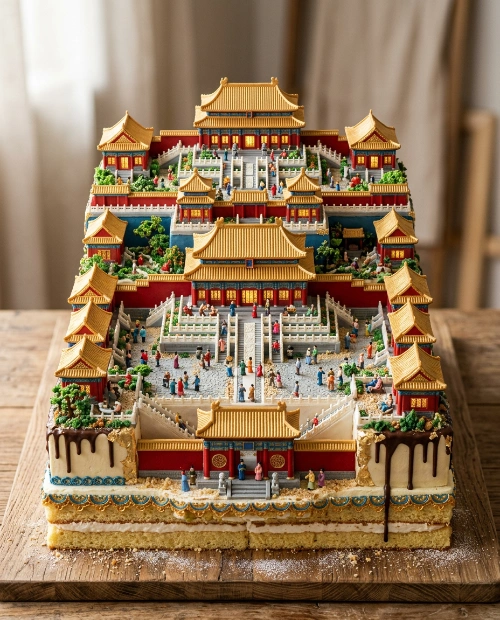
Edible Forbidden City Cake
MONUMENT: The Forbidden City Photorealistic hero product photography shot on Sony A7III with 85mm f/1.4 lens at f/2.8, soft natural daylight from upper left creating gentle realistic shadows and visible surface textures: A giant famous [MONUMENT] masterfully recreated as a delicious multi-tiered edible cake. Visible fluffy sponge cake layers, thick silky buttercream frosting, smooth fondant details, subtle edible gold leaf accents, realistic cake crumbs and ganache drips. The cake tiers ingeniously transformed into a luxurious miniature vibrant living city with tiny glowing windows, staircases, gardens and balconies built into the frosting and sponge. Miniature visitors in tiny colorful clothes walk the buttercream pathways, relax on cake terraces, sip tiny drinks and take photos. Intricate realistic cake textures mixed with whimsical architecture, physically plausible yet surreal. Shot for a luxury architecture magazine cover, ultra-detailed 8K, perfectly centered square composition, no text, no artifacts.