
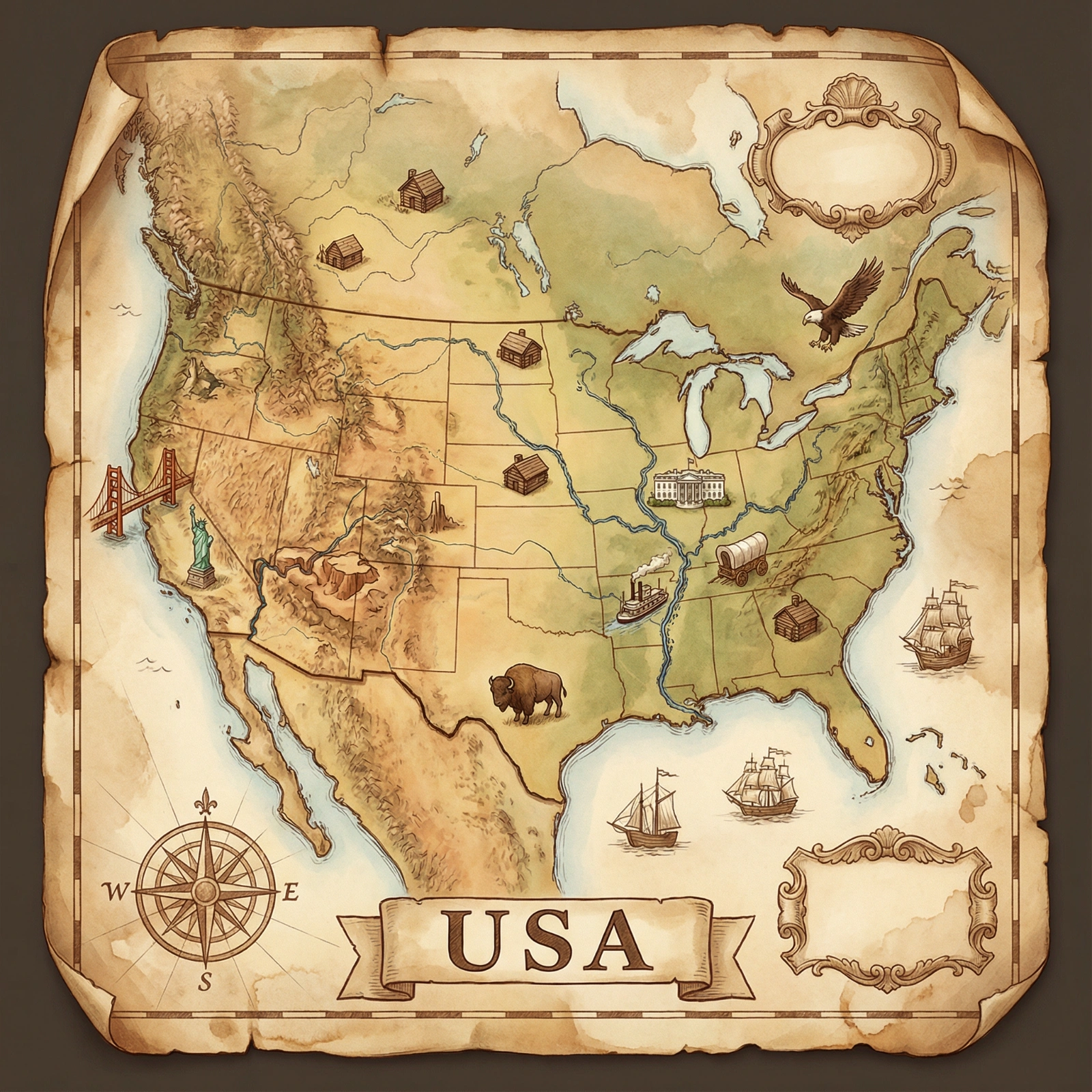
Vintage Isometric USA Map
Prompt
A hand-painted isometric bird’s-eye view illustration of [USA] in a vintage map style, featuring iconic landmarks and natural scenery unique to the country. The landscape should blend seamlessly with a parchment-colored map background, and include detailed miniature architecture, cultural symbols, and geographical elements. The country name '[COUNTRY]' should appear in bold serif text below the scene. Maintain warm, earthy tones and soft lighting for a classic, illustrated map feel. 1080x1080 dimension.
Aspect Ratio
Source
@TechieBySAModel
Nano Banana ProYou might also like
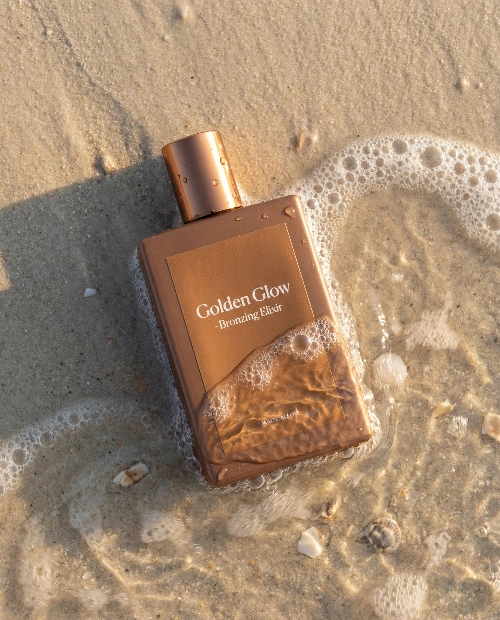
Golden Glow Beach Elixir
Ultra-realistic summer skincare product photography of a bronzing drop bottle named "Golden Glow - Bronzing Elixir", rectangular matte bottle in warm sun-kissed bronze tone with a clean white cap, placed diagonally on wet beach sand as a gentle ocean wave washes over it, delicate sea foam and tiny bubbles surrounding the base, water partially flowing across the label, fine sand texture visible beneath shallow clear water, golden sunlight casting natural highlights and soft shadows, high-detail water ripples and realistic foam patterns, fresh summer aesthetic, minimal clean branding centered and sharp, warm golden-hour beach lighting, cinematic top-down flat lay composition, natural reflections on wet surface, editorial beauty campaign style, ultra-detailed, photorealistic 8K, soft warm color grading, luxury skincare advertisement Aspect ratio 4.5
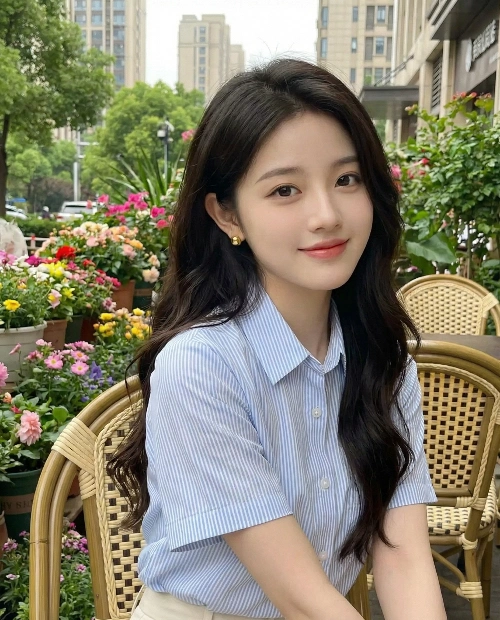
Cozy Café Portrait
{ "image_generation": { "aspect_ratio": "4:5", "subject": { "description": "young woman sitting outdoors at a cozy flower-filled café", "pose": "seated casually, body slightly turned, shoulders relaxed", "expression": "soft, gentle smile, calm and serene", "gaze": "looking slightly to the side, not directly at the camera" }, "appearance": { "hair": { "color": "medium brown", "style": "long, soft waves, side-parted" }, "face": { "skin_tone": "fair, smooth complexion", "features": "delicate feminine features", "makeup": "natural makeup with soft blush and subtle lip tint" }, "accessories": [ "small gold stud earrings" ] }, "outfit": { "top": "light blue and white striped short-sleeve button-up shirt" }, "environment": { "setting": "outdoor café garden", "background_elements": [ "colorful flowers and plants", "wicker café chair", "urban buildings", "soft decorative greenery" ], "atmosphere": "peaceful, cozy, fresh daytime ambiance" }, "lighting": { "type": "natural daylight", "quality": "soft, diffused light", "tone": "warm and natural" }, "camera": { "angle": "eye-level", "framing": "portrait close-up", "focus": "sharp on subject with softly blurred background", "style": "natural lifestyle photography" }, "aesthetic": { "style": "casual lifestyle portrait", "vibe": "fresh, soft, feminine, relaxed", "color_palette": "pastel florals, soft greens, light blues" }, "quality": { "realism": "highly realistic", "resolution": "high resolution", "finish": "clean, natural, social-media style" } } }
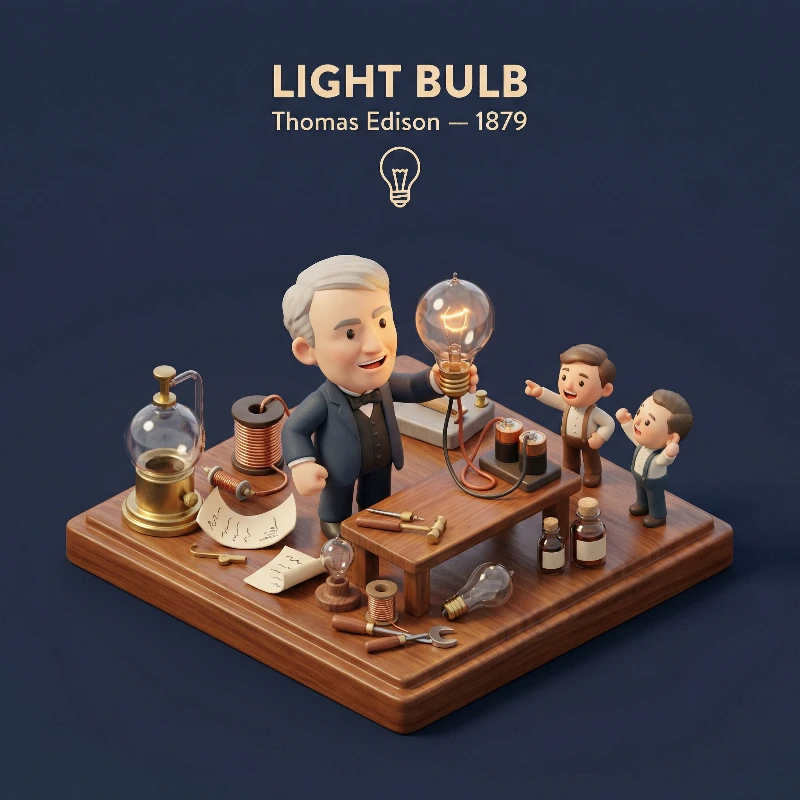
Edison's Light Bulb Invention Diorama
Create a miniature 3D isometric diorama showing the invention of [Light Bulb] at the moment of [Edison successfully testing the first long-lasting carbon filament bulb]. Camera angle around 40° from above. Textures feel soft and polished. Materials follow realistic PBR rules. Lighting feels natural and balanced. The raised base includes tools, workshop elements, notes, and early prototypes. Tiny stylized inventors interact with objects. Faces are visible and recognizable with clean shapes and expressions. Background stays solid [warm dark navy blue]. Top center text shows [Light Bulb] in bold. Second line shows [Thomas Edison — 1879]. A simple line icon of the invention sits below. Text color adapts to background contrast.
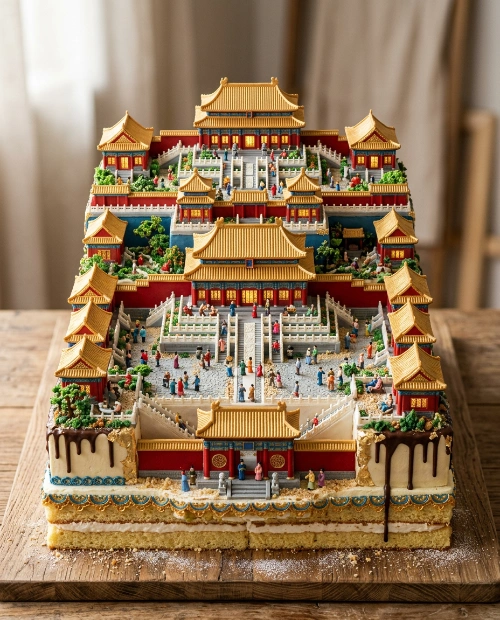
Edible Forbidden City Cake
MONUMENT: The Forbidden City Photorealistic hero product photography shot on Sony A7III with 85mm f/1.4 lens at f/2.8, soft natural daylight from upper left creating gentle realistic shadows and visible surface textures: A giant famous [MONUMENT] masterfully recreated as a delicious multi-tiered edible cake. Visible fluffy sponge cake layers, thick silky buttercream frosting, smooth fondant details, subtle edible gold leaf accents, realistic cake crumbs and ganache drips. The cake tiers ingeniously transformed into a luxurious miniature vibrant living city with tiny glowing windows, staircases, gardens and balconies built into the frosting and sponge. Miniature visitors in tiny colorful clothes walk the buttercream pathways, relax on cake terraces, sip tiny drinks and take photos. Intricate realistic cake textures mixed with whimsical architecture, physically plausible yet surreal. Shot for a luxury architecture magazine cover, ultra-detailed 8K, perfectly centered square composition, no text, no artifacts.

Sunrise Bridge Calm
A cinematic outdoor photograph shows the person attached in the uploaded reference image (keep the face 100% accurate) standing on a quiet railway bridge during sunrise. Soft orange light hits their face. Fog moves slowly over the tracks below. They rest one hand on the railing and smile calmly at the camera while birds fly past in the distance. Aspect ratio 4:5
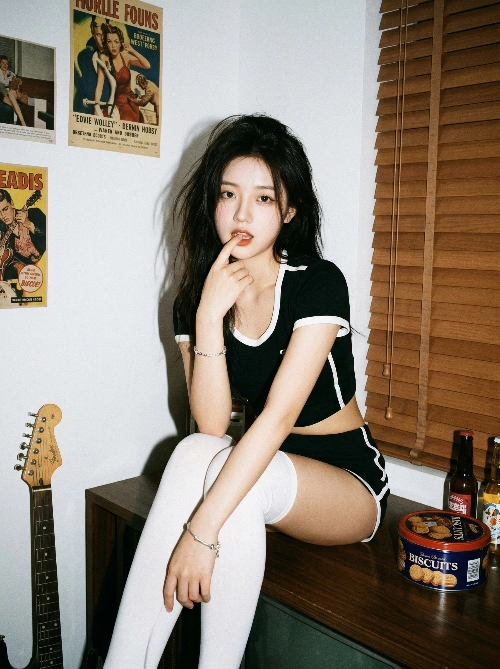
Rebellious 90s Cool Girl Portrait
Using the uploaded real subject as the visual baseline, create a full-body portrait with an independent, rebellious aesthetic and a vintage film texture. Embrace a 1990s point-and-shoot camera style, using direct flash, high-contrast lighting, retro color grading, and casual composition to convey a raw, authentic, and edgy “cool girl” atmosphere. Character Setup (Based on the real uploaded subject) Baseline: Use the real female subject as the foundation, preserving her facial features and body proportions. Hair: Thick, slightly messy long hair (color matching the uploaded subject). Outfit: Sporty black cropped top with white trim, paired with matching black shorts and white over-the-knee socks. Accessories: A silver bracelet worn on the wrist. Pose and Composition Pose: Sitting casually on an elevated dark wooden surface (such as a counter or piano top). The body leans forward slightly, relaxed but with a sharp edge. One hand is raised near the mouth, lightly biting a finger. The gaze is directed straight at the camera, with a sensual yet nonchalant expression. Composition: Full-body shot using a 35mm focal length, slightly low-angle perspective to emphasize leg lines. Medium-distance framing, appearing spontaneous yet visually balanced. Sharp focus on the subject, with the background falling off due to the rapid light decay of direct flash. Scene and Details Background: A white wall decorated with vintage posters taped onto it, along with brown wooden blinds. Foreground and Props: Include visible elements such as the neck of an electric guitar, a tin of cookies, and several bottles to enhance the lived-in, candid atmosphere. Lighting and Color Lighting: Simulate direct on-camera flash with hard lighting. The light should be harsh and frontal, casting sharp, well-defined shadows on the wall behind the subject. High contrast, with no soft lighting or diffusion. Color and Texture: Vintage film aesthetic, emulating Kodak Gold 200 tones. Warm hues from wooden blinds and furniture contrast with the cool white flash. Colors should be deep and slightly muted, with rich blacks and subtle film grain, creating a lo-fi indie visual style. Overall Mood and Style Style: Independent, rebellious “cool girl” aesthetic. Raw, authentic, with a Y2K-inspired retro fashion editorial vibe, resembling a snapshot. Mood: Casual, direct, with a hint of playful defiance. Technical Specifications and Constraints Image Quality: Photorealistic, but intentionally incorporating vintage film imperfections and direct-flash artifacts. Avoid: Soft lighting, studio lighting setups, shallow depth-of-field bokeh effects, polished studio portraits, skin smoothing, 3D-rendered looks, cartoon or illustration styles, distorted hands, missing guitar strings, floating objects, anatomical inaccuracies, stiff posing, excessive post-processing, and HDR effects.

LV Dynamic Grid Muted
Louis Vuitton. Act as a World-Class Editorial Designer. PHASE 1: DYNAMIC SUBJECT LOGIC. * Subject Selection: Autonomously analyze Louis Vuitton and select an iconic luxury fashion subject, such as a Louis Vuitton monogram travel trunk, a classic LV monogram handbag (e.g., Speedy or Keepall), or a high-fashion model interacting with a Louis Vuitton bag. * Layering (The Sandwich Effect): Interweave the subject with background shapes. Some parts of the bag or model must be hidden behind geometric blocks, while other parts (handles, straps, hands, accessories, luggage tags) must overlap them to create 3D depth. PHASE 2: GRID & GEOMETRY. * Layout: A clean 2x2 grid composition. * Overlays: Superimpose large, bold geometric arcs and circles over the grid. * Visual Balance: Place one iconic Louis Vuitton prop (for example a floating LV luggage tag, padlock, or small monogram coin pouch) in a separate quadrant to balance the main subject. PHASE 3: SOPHISTICATED MUTED PALETTE. * Color Direction: DO NOT use aggressive neon or oversaturated colors. * Palette: Identify the core Louis Vuitton colors and shift them to a sophisticated muted spectrum. * Tones: Use desaturated, earthy, or dusty versions of LV heritage colors such as muted monogram brown, dusty gold, warm tan, soft caramel, aged leather beige, and muted cream. * Finish: Matte, flat color blocks with zero gradients. PHASE 4: PHOTOGRAPHY & LIGHTING. * Subject Style: High-end commercial studio photography. * Lighting: Soft, diffused studio lighting with gentle highlights. No harsh shadows. * Integration: The subject must feel physically embedded into the graphic grid. PHASE 5: MINIMALIST BRANDING. * Logo: Place a clean, single-color Louis Vuitton LV monogram logo in the center of one background block. No taglines, just the iconic symbol.