
For years, we’ve been trying to make AI images look like "art." We’ve spent countless hours prompting for "hyper-realistic oil paintings" or "cinematic 8k masterpieces." But recently, the trend has shifted. We don't just want art anymore; we want reality. Specifically, we want that messy, imperfect, slightly chaotic look of a smartphone selfie.
But here’s the problem: if you just type "a selfie of a woman" into modern AI image generators, you’re going to get something that looks like a stock photo. It’ll be too clean, too symmetrical, and—ironically—too "perfect" to be real.
If you want to master the AI selfie, you have to stop thinking like a painter and start thinking like a Gen Z influencer with an iPhone. Here’s how you do it.
1. The "Harsh Flash" Secret
The biggest mistake people make is asking for "soft, studio lighting." Real selfies are rarely taken in a studio with a $2,000 softbox. They’re taken in dark bedrooms, elevators, or cars using a harsh smartphone flash.
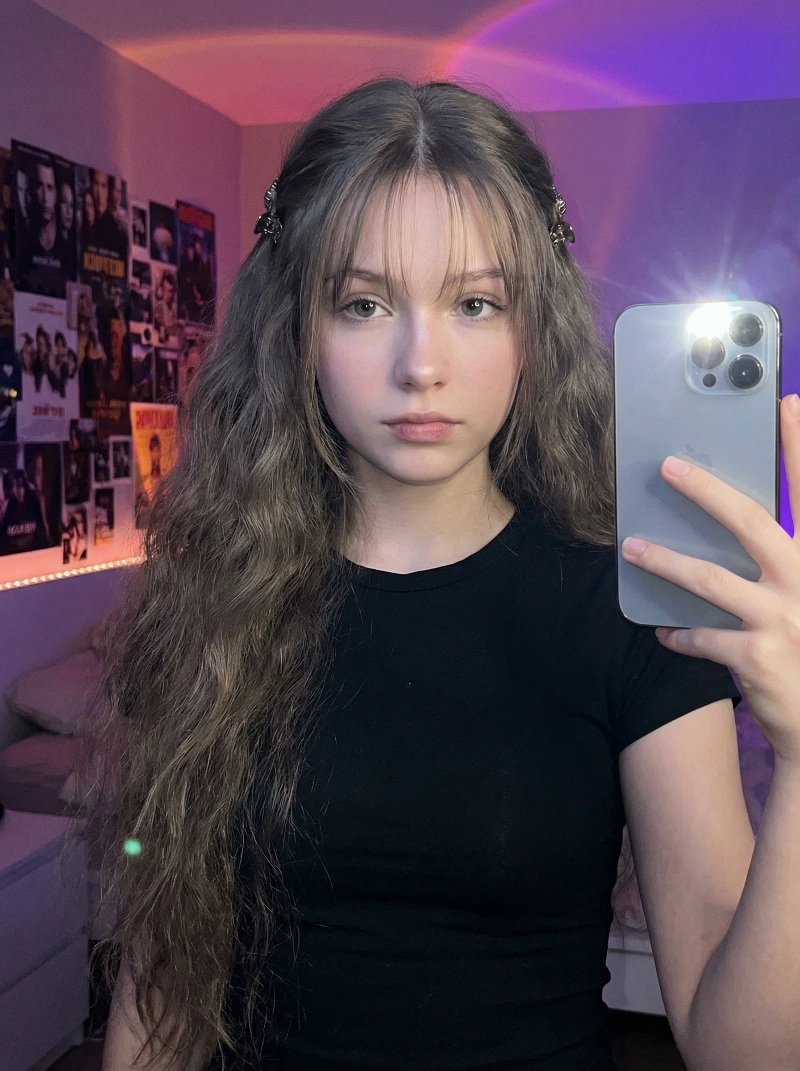
Flash creates high contrast. It flattens the face slightly, adds specular highlights to the skin, and creates that iconic "white-out" effect on the forehead or nose. More importantly, it brings out the texture. When you use a flash, you see the pores, the fine hairs, and the natural sheen of the skin.
Ultra-Real Gen Z Selfie
"Ultra-realistic 16K selfie of a young girl, shot on iPhone 16 Pro Max with harsh flash. She has extremely long, thick ash brown hair, fluffy texture... Background is a dim aesthetic bedroom corner covered in movie and music posters, washed in cinematic pink and purple LED lighting."
2. Master the "POV" Perspective
A selfie isn't just a portrait; it’s a point-of-view (POV) shot. The camera is limited by the length of a human arm. This means you’re almost always using a wide-angle lens (typically around 24mm to 28mm).
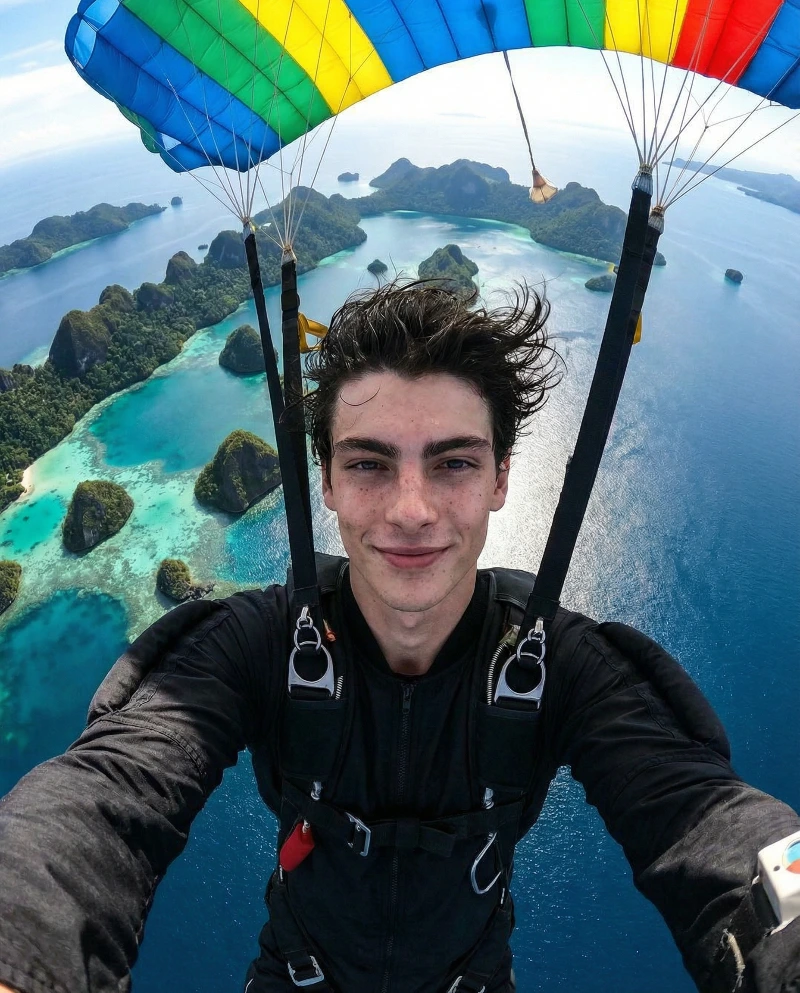
Wide-angle lenses create a subtle distortion—the subject in the center (the face) is slightly more prominent, while the background falls away. If your prompt doesn't specify the lens or the "arm-length" perspective, the AI might default to a flat, telephoto look that screams "I was taken by a professional photographer standing 10 feet away."
Cinematic Raja Ampat Skydiving
Notice how the wide angle here captures both the subject and the sprawling landscape below, giving that authentic "GoPro" or "extended-arm" feel.
"A cinematic ultra-realistic selfie... skydiving high above the iconic Raja Ampat islands in Indonesia. The camera is positioned slightly above and angled downward, capturing both the person and the breathtaking island formations below."
3. The Mirror Selfie Meta
Mirror selfies are a genre unto themselves. In these shots, the camera is part of the image. This adds layers of complexity: you have the physical mirror frame, the reflections, and often a second set of details—the room behind the person.
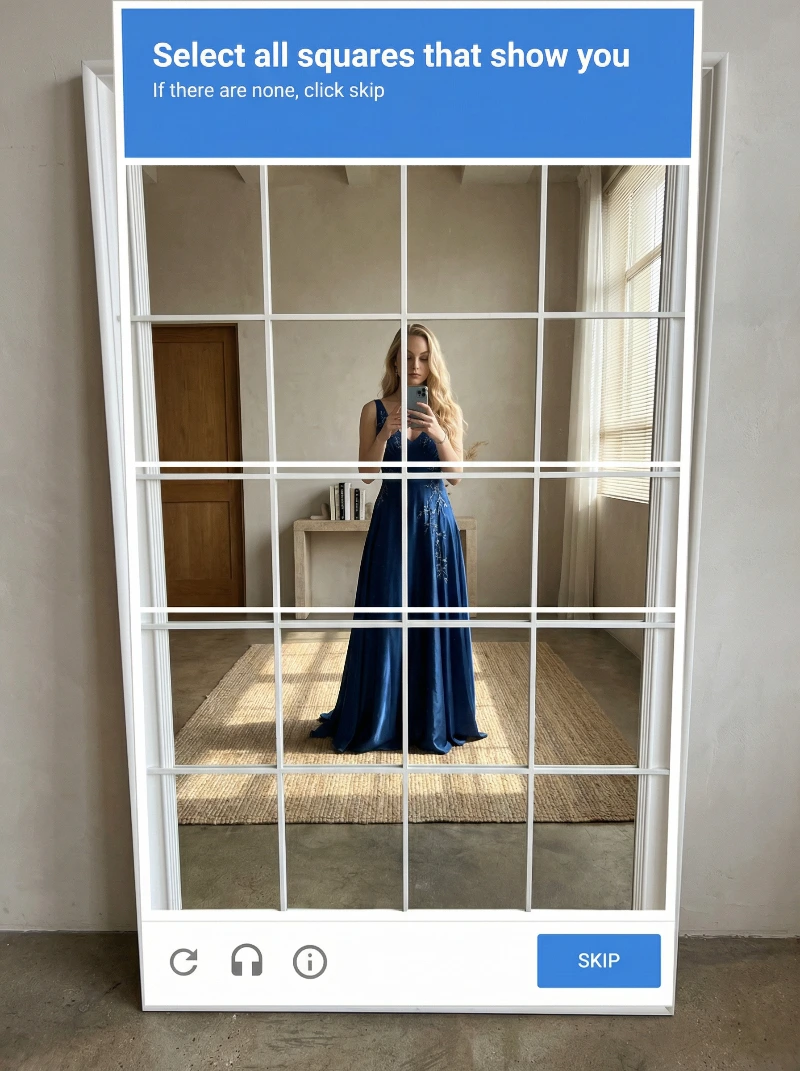
To nail the mirror selfie, don't just prompt for "a mirror selfie." Describe the mirror itself—is it a full-length floor mirror? Is it a bathroom mirror with water spots? Specify the phone case design, as it's a key detail in the center of the frame.
Hyper-Real Mirror Selfie with CAPTCHA
This is a masterclass in using reflections to tell a story. The prompt describes a physical mirror with a CAPTCHA grid, but the reflection shows a detailed studio space.
"A hyper-realistic photograph of a custom physical floor mirror with a 'robot test' CAPTCHA interface... The reflection within the mirror reveals a rich, lived-in studio space... narrow physical raised white bars that overlay the continuous glass sheet."
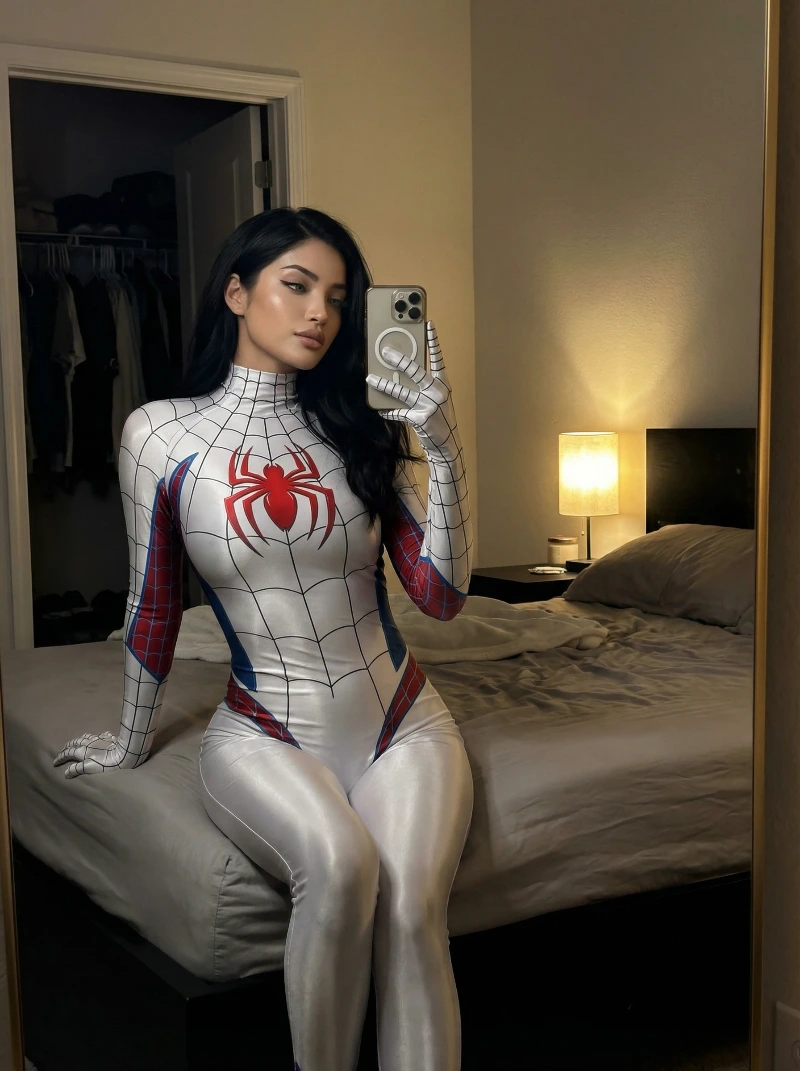
Night Spider Mirror Selfie
Notice how the warm, moody lighting from the bedside lamp creates soft shadows, making the spandex texture of the suit look tangible.
"A photorealistic mirror selfie of a young woman sitting on the edge of a bed in a softly lit bedroom at night. She is wearing a tight white Spider-themed bodysuit... holding a smartphone up in front of her face with one hand."
4. Embrace the Imperfect Pose
In a real selfie, people aren't usually standing perfectly still. They’re winking, sticking their tongue out, or pressing their face into a pillow. They’re tilted. They’re asymmetrical.
If you want your AI generations to feel "human," you need to prompt for these micro-interactions. Mention the way a cheek is "squishing" against a surface or how "flyaway strands" of hair are covering an eye.
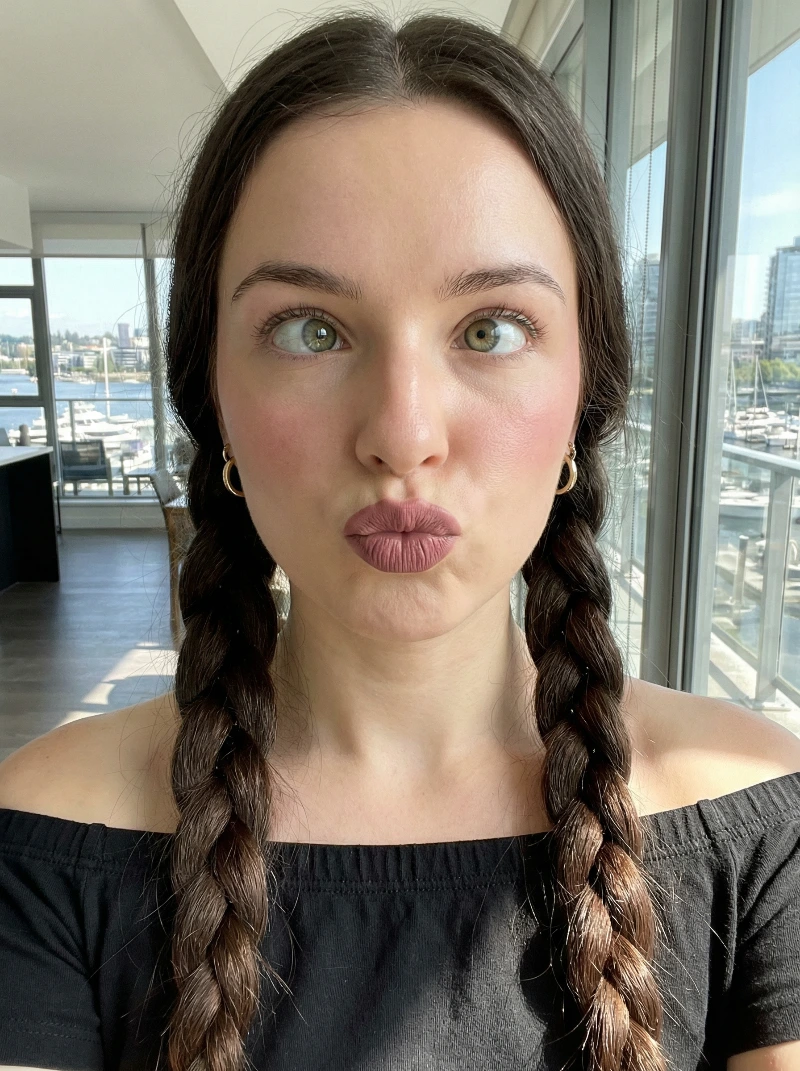
Playful Close-Up Portrait
By prompting for specific facial expressions like a "pouted duck face" or "crossed-eye expression," you break the AI's tendency to produce boring, neutral faces.
"A photorealistic close-up selfie portrait... large almond-shaped green eyes looking upward with a playful crossed-eye expression, full plump lips pursed in a cute duck face pout. Natural bright daylight streaming in from the right creating strong highlights."
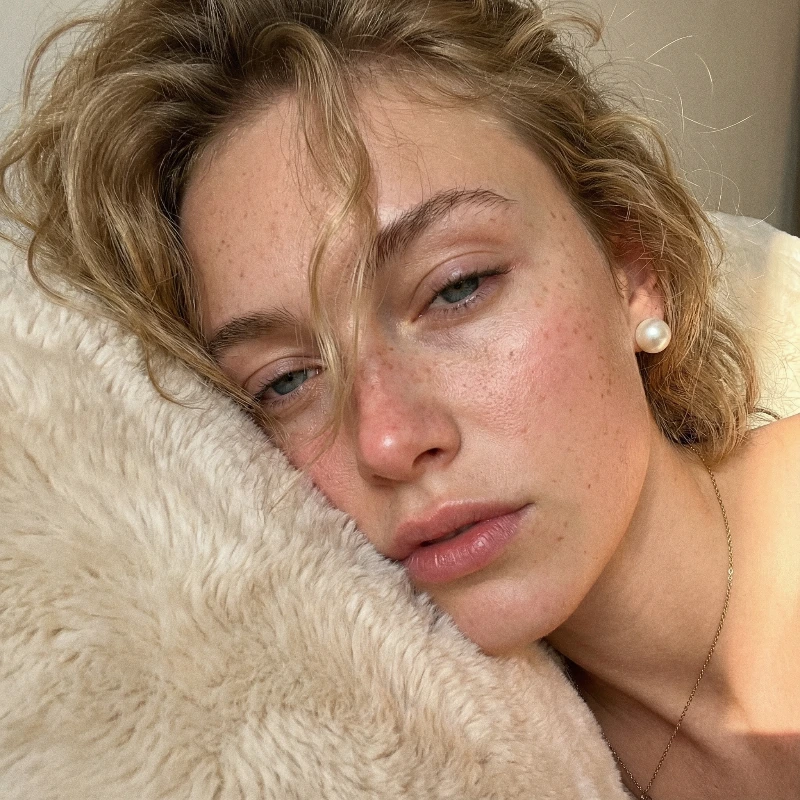
Sleepy Glam Selfie
"A hyper-realistic, extreme close-up POV selfie... lying down and pressing her left cheek into a fluffy cream-colored faux-fur pillow that gently squishes against her face. Her head is tilted to the right as she gazes softly toward the camera with a sleepy, sultry, intimate expression."
5. Storytelling in the Background
A great selfie tells a story about where the person is. Is the car interior messy? Are there posters on the bedroom wall? These "lifestyle" details anchor the subject in reality. The more specific you are about the background clutter, the more authentic the photo feels.
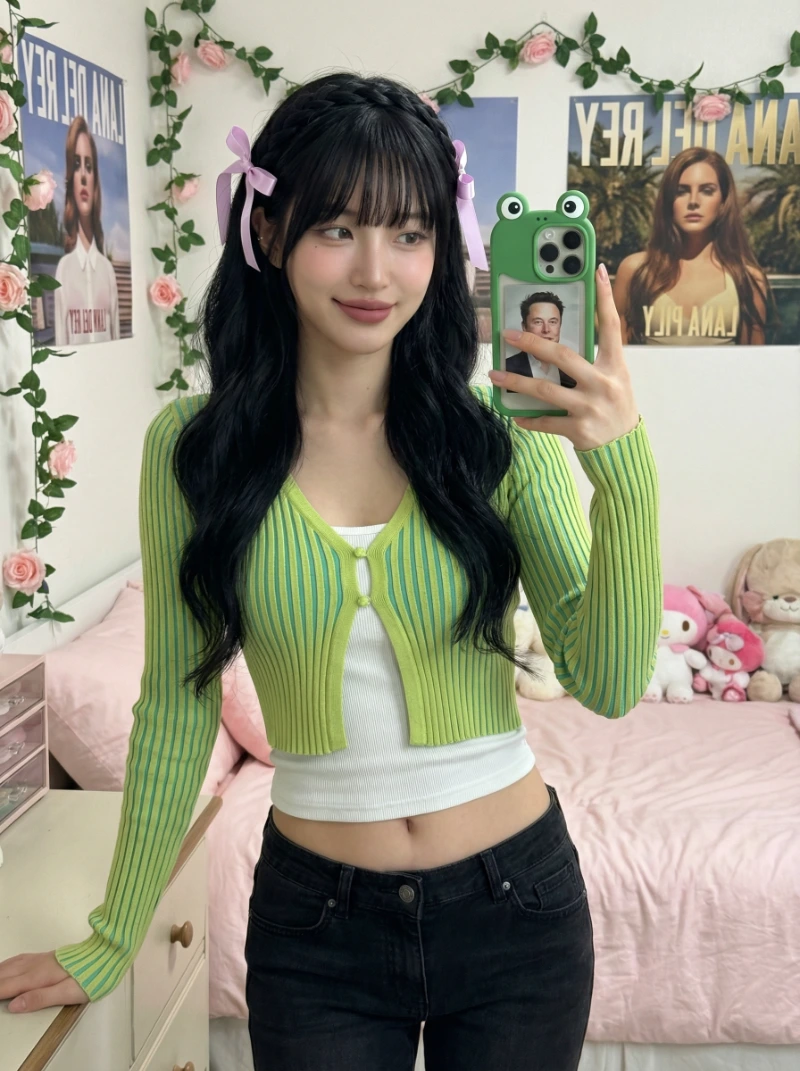
Coquette Young Adult Bedroom Selfie
This prompt uses a "Lana Del Rey" aesthetic to fill the room with personality—posters, garlands, and plushies. It feels like a real person's space, not a generic 3D render.
"Cozy bedroom soft evening vibe... walls covered in posters (Lana Del Rey), green vines with pink roses. Bed with light pink sheets and plushies... dreamy coquette bedroom aesthetic."
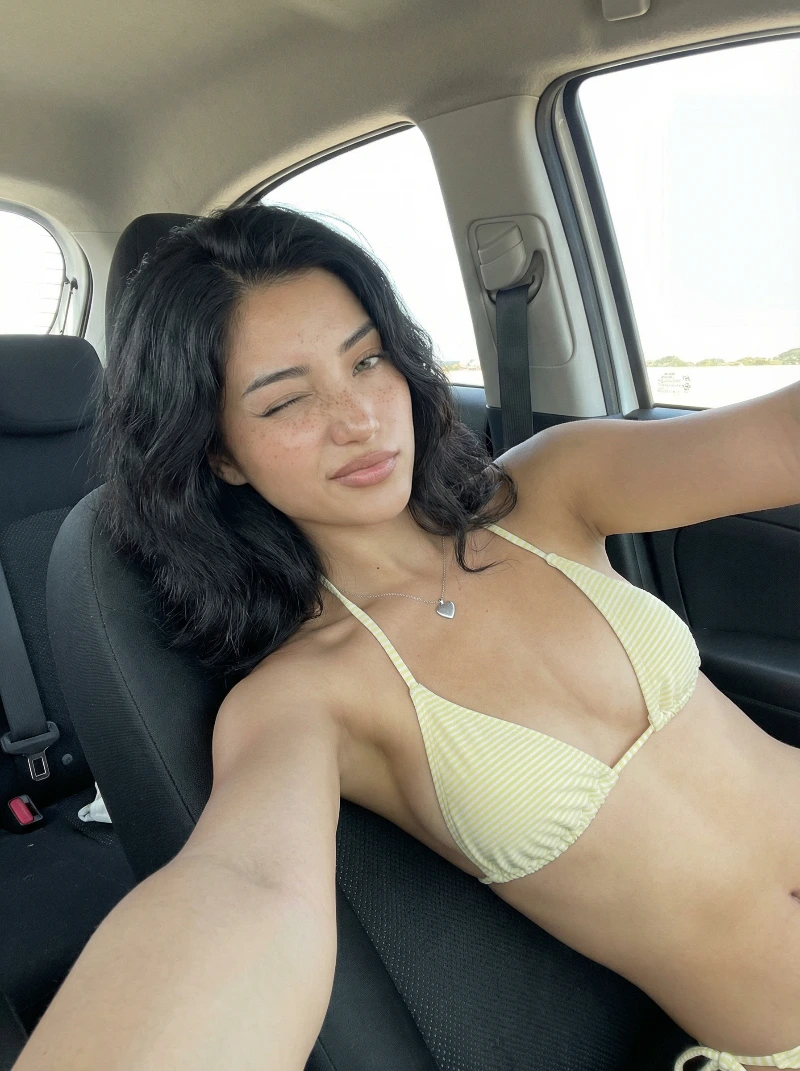
Playful Car Bikini Selfie
Sometimes, the best background is a slightly overexposed window. It mimics the limited dynamic range of a smartphone sensor.
"Inside a compact car, front passenger seat. Dark fabric with visible stitching. side window with bright daylight outside, exterior mostly overexposed... playful wink with one eye closed, subtle smirk."
6. Summary Tips for Your Next Selfie Prompt
Ready to try it yourself? Here’s a quick checklist for your next trip to the prompt generator:
- The Lens: Always specify a wide-angle lens (e.g., "24mm" or "shot on iPhone").
- The Light: Use terms like "harsh flash," "overhead fluorescent," or "golden hour rim light."
- The Flaws: Add "natural skin texture," "loose flyaways," or "messy bedhead."
- The Context: Give the subject something to do. They aren't just a face; they’re holding a coffee, winking at the camera, or squishing their cheek against a pillow.
If you’re looking for more inspiration or want to see how these techniques look across different styles, check out our latest curated collections. Happy prompting!