
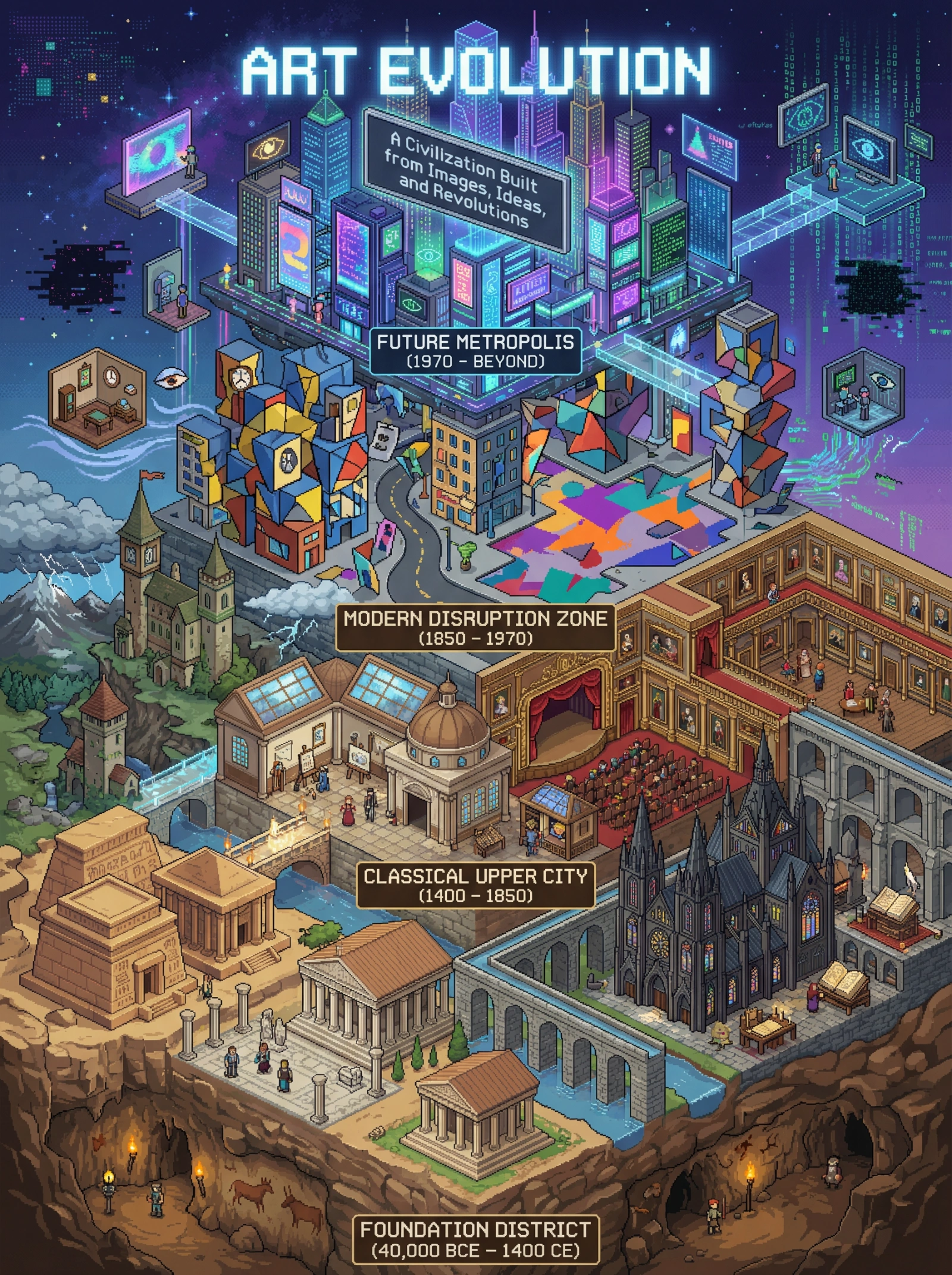
Isometric Art Evolution City
Prompt
Create a highly detailed isometric pixel art illustration of art movements as a vast time-traveling city, in 3:4 aspect ratio at 4K resolution. The city should rise vertically through time, with districts representing artistic eras. VISUAL STYLE — SYMBOLIC ISOMETRIC PIXEL ARCHITECTURE Ultra-detailed isometric cityscape with layered meaning Precision pixel lighting, architectural depth, and transitions Museum-grade clarity with dense symbolic detail CORE CONCEPT — ART AS A CIVILIZATION Central feature: The City of Human Expression, stacked vertically through time ERA 1: FOUNDATION DISTRICT (40,000 BCE – 1400 CE) Cave dwellings carved into bedrock Egyptian temples, Greek forums, Roman arches Gothic cathedrals and illuminated script halls ERA 2: CLASSICAL UPPER CITY (1400 – 1850) Renaissance studios with skylights Baroque theaters and ornate galleries Romantic towers overlooking wild landscapes ERA 3: MODERN DISRUPTION ZONE (1850 – 1970) Cubist buildings with fractured geometry Surreal floating rooms and warped streets Abstract plazas splashed with raw color ERA 4: FUTURE METROPOLIS (1970 – BEYOND) Neon skyscrapers, holographic billboards VR galleries, AI studios, virtual bridges Symbolic elements: screens, code streams, digital voids COLOR PROGRESSION Lower city: stone, earth, torchlight Mid city: balanced realism and dramatic contrast Upper zones: bold experiments and distortion Sky city: neon, monochrome, digital glow TYPOGRAPHY (ENGLISH ONLY) Projected across the skyline: “ART EVOLUTION” Subheading on floating signage: “A Civilization Built from Images, Ideas, and Revolutions” PHILOSOPHICAL LAYER Art as infrastructure of culture Movements as urban revolutions The city forever under construction
Aspect Ratio
Model
Nano Banana ProYou might also like
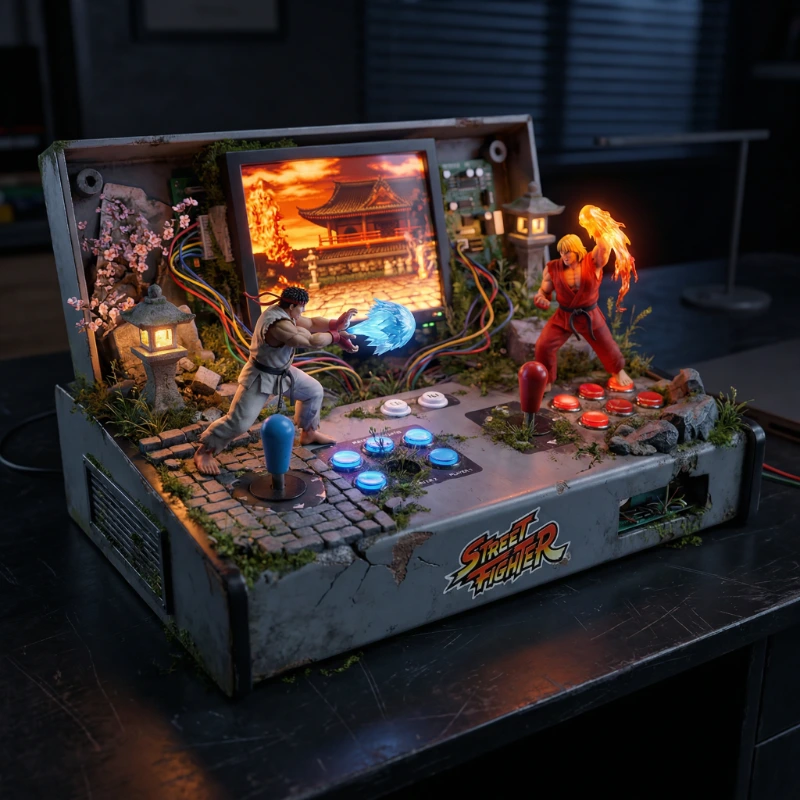
Street Fighter Hardware Diorama
Input A: Street Fighter --- Input A is a Video Game Title (e.g., The Legend of Zelda, Halo, Street Fighter, Elden Ring). Deconstruct the game to generate 3 Integrated Assets : Container : Identify the defining hardware for that title. (e.g., Zelda -> Gold NES Cartridge or Switch. Halo -> Original Xbox. Street Fighter -> Arcade Cabinet Control Deck). Biome : Identify the primary environment of the game. (e.g., Zelda -> Hyrule Grass/Ruins. Halo -> Alien Metal/Ring Surface. Elden Ring -> Golden Erdtree Leaves/Ash). The Cast (The Figures): Identify the Protagonist and a key Enemy/NPC. 2. Dynamic Container Goal: "Hardware Diorama" Photography. Object: The "Container" (Step 1) sits on a dark desk. Transformation: The hardware is NOT pristine. It is partially Disassembled or Weathered . Effect: The "Biome" (Step 1) is physically growing out of the vents, cartridge slots, or screen bezels of the hardware. (e.g., Moss growing on an Xbox, Sand spilling from a Game Boy). 3. Diorama (The Conflict): The Figures: High-detail 1:18 Scale 3D Figures of the "Cast" stand on top of the modified hardware. The Interaction: They are engaged in combat or exploration using the console's geometry as terrain. (e.g., Link climbing the D-pad like a cliff. Master Chief taking cover behind a memory card slot). The Screen: If the hardware has a screen (Handheld/Arcade), it displays a glowing, pixelated backdrop that merges with the 3D foreground elements. 4. Visual Syntax (The Glitch): Wiring: Exposed colored wires or circuit boards protrude from the hardware, weaving through the environmental elements (vines/rocks), connecting the digital world to the physical one. Labels: A worn sticker or label on the device displays the Game Title in its original font. 5. Lighting & Atmosphere: Lighting: Diegetic Mood Lighting. The scene is lit by the glow of the screen or internal LEDs (matching the game's color palette: Green for Xbox, Gold for Zelda). Scale: Shallow depth of field to emphasize the miniature scale of the figures against the "giant" controller buttons. Output: ONE image, 1:1 Aspect Ratio, 3D Render, "Custom Mod" aesthetic, High Narrative Detail. </instruction>
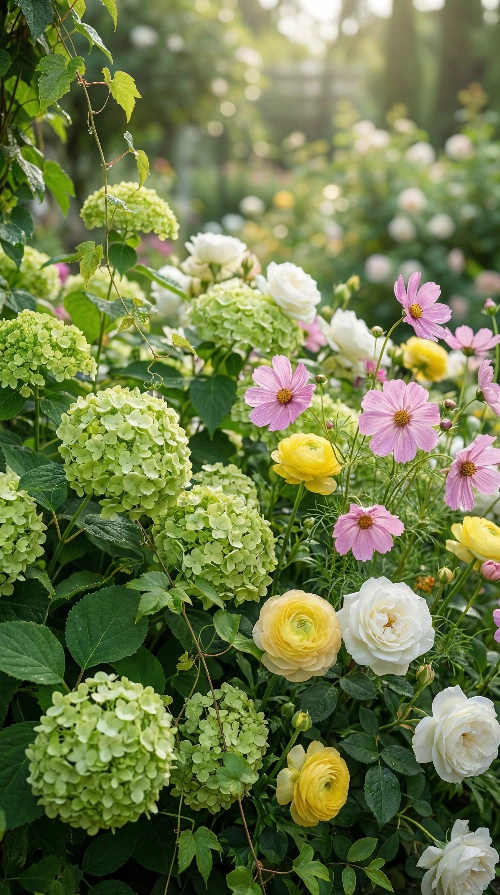
Vibrant Green Flower Bloom
{ "prompt": "Create a stunning wallpaper featuring lush green flowers in full bloom, with vibrant colors and delicate petals, set against a soft, blurred background", "style": "realistic", "resolution": "4K", "colors": ["green", "white", "yellow", "pink"], "elements": ["flowers", "leaves", "vines"] }

Whimsical 3D Cartoon Character
A 3D cartoon-style render of a [subject], with a soft matte translucent body in [color1] and glowing [color2] accents. Features include oversized head, exaggerated facial features, and fun accessories. Subtle internal glow and ambient lighting, centered on a dark gradient background. Stylized in a playful and imaginative atmosphere.
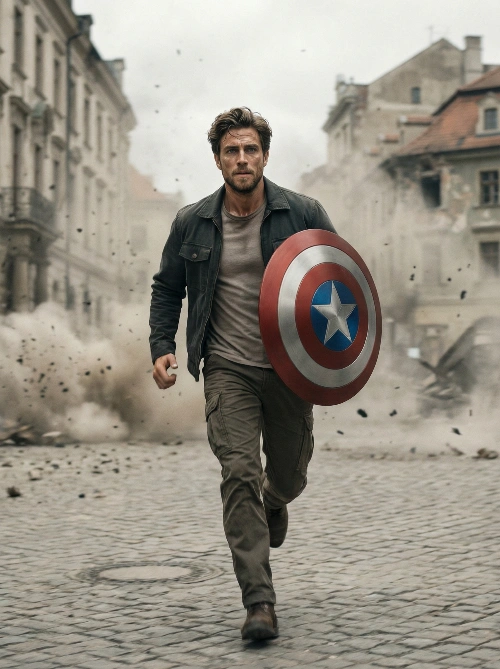
Dynamic Sprint in Ruined City
Dynamic tracking shot, medium-full (waist up). The subject is sprinting through a destroyed European city square. Ruins and dust clouds fill the air. He holds Captain America shield at his side, ready to strike. Cinematic Detail: Cinematic motion blur on the background, sharp focus on the subject. Realistic skin textures under natural, overcast dramatic light. 35mm wide-angle cinema lens. Action: Mid-stride, powerful athletic stance. KEEP FACE FEATURES IDENTICAL FROM ATTACHED IMAGE. Negative Prompts: face alteration, unrealistic anatomy, distorted legs, anime style, wide shots, face blur, poor lighting, flat color grading.
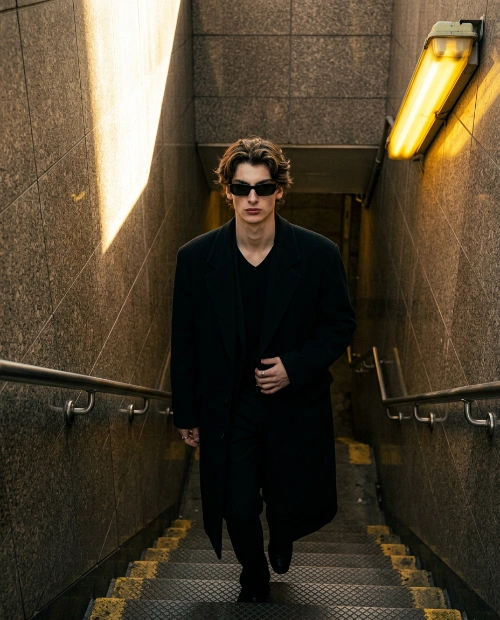
Cinematic Urban Fashion Model
{ "metadata": { "image_type": "photograph", "primary_purpose": "editorial" }, "composition": { "rule_applied": "rule of thirds", "aspect_ratio": "4:5", "layout": "single subject", "focal_points": [ "Subject's face and dark sunglasses", "Yellow fluorescent light fixture leading to the subject" ], "visual_hierarchy": "Eye starts at the subject's face due to contrast with sunglasses, follows the V-neck down the black coat, moves outward along the metallic handrails, and catches the bright sunlight shaft on the left wall and the yellow light on the right.", "balance": "asymmetric" }, "color_profile": { "dominant_colors": [ { "color": "Black", "hex": "#111111", "percentage": "45%", "role": "primary subject" }, { "color": "Warm Gray", "hex": "#7A7269", "percentage": "35%", "role": "background" }, { "color": "Golden Yellow", "hex": "#E5B05C", "percentage": "10%", "role": "accent" } ], "color_palette": "complementary", "temperature": "warm", "saturation": "moderate", "contrast": "high contrast" }, "lighting": { "type": "mixed", "source_count": "multiple sources", "direction": "front", "directionality": "highly directional", "quality": "dramatic", "intensity": "moody", "contrast_ratio": "high contrast (dramatic shadows)", "mood": "mysterious", "shadows": { "type": "harsh defined edges", "density": "deep black", "placement": "under handrails, within stair treads, and engulfing the subject's lower body", "length": "medium" }, "highlights": { "treatment": "blown out", "placement": "on upper left wall from sun shaft, fluorescent light fixture, and reflective handrails" }, "ambient_fill": "present", "light_temperature": "warm (golden)" }, "technical_specs": { "medium": "digital photography", "style": "realistic", "texture": "sharp", "sharpness": "tack sharp", "grain": "digital noise", "depth_of_field": "medium", "perspective": "high angle" }, "artistic_elements": { "genre": "street", "influences": [ "Urban street style fashion photography", "Cinematic cyberpunk/matrix aesthetic" ], "mood": "sophisticated", "atmosphere": "Gritty yet polished urban transit environment with a moody, imposing, and highly stylized fashion presence", "visual_style": "structured" }, "typography": { "present": false, "fonts": [], "placement": "", "integration": "" }, "subject_analysis": { "primary_subject": "Young male model wearing an oversized, structured long black overcoat, black V-neck top, black trousers, and dark rectangular sunglasses, walking down stairs. Hair: Medium length, textured cut (e.g., modern shag/tapered cut). Length: Roughly ear-level/temple-level on the sides, slightly longer and voluminous on top (3-4 inches), with soft layers and natural movement. Texture: Natural wavy texture, showing varied strands, slight frizz, and natural volume (imperfections visible, not 'AI smooth'), styled loosely back from the forehead without a distinct part. Evidence of light matte product application.", "positioning": "center", "scale": "medium", "interaction": "interacting with environment", "facial_expression": { "mouth": "neutral", "smile_intensity": "no smile", "eyes": "direct gaze", "eyebrows": "neutral", "overall_emotion": "serious", "authenticity": "posed" }, "hands_and_gestures": { "left_hand": "resting at waist level, lightly holding the edge of the black overcoat, silver ring visible on finger", "right_hand": "not visible, hidden behind the coat's bulk or swinging backward", "finger_positions": "left hand thumb and index finger slightly curled and gripping fabric, remaining fingers obscured", "finger_interlacing": "none", "hand_tension": "relaxed", "interaction": "holding coat", "naturalness": "deliberately posed" }, "body_positioning": { "posture": "standing", "angle": "facing camera", "weight_distribution": "shifted", "shoulders": "level" } }, "background": { "setting_type": "indoor", "spatial_depth": "medium", "elements_detailed": [ { "item": "Stainless steel handrail", "position": "left", "distance": "foreground", "size": "medium", "condition": "worn", "specific_features": "Tubular metal with distinct mounting brackets and subtle reflections" }, { "item": "Stainless steel handrail", "position": "right", "distance": "midground", "size": "medium", "condition": "worn", "specific_features": "Tubular metal matching the left side, catching edge highlights" }, { "item": "Fluorescent light fixture", "position": "top right", "distance": "background", "size": "medium", "condition": "vintage", "specific_features": "Rectangular housing emitting a strong, warm amber/yellow light" } ], "wall_surface": { "material": "tile", "surface_treatment": "finished", "texture": "perfectly smooth", "finish": "satin", "color": "warm grayish-brown", "color_variation": "patchy", "features": "clean, distinct grid-like grout lines separating large rectangular stone/granite panels, sharp diagonal shaft of warm sunlight hitting the upper left section", "wear_indicators": "industrial" }, "floor_surface": { "material": "concrete", "color": "dark gray with yellow accents", "pattern": "striped" }, "objects_catalog": "Metal diamond-plate stair treads with yellow painted safety edges running horizontally across the bottom and midground, dual tubular stainless steel handrails flanking the stairs, rectangular yellow light fixture mounted to the ceiling angled directly above the stairwell, large rectangular stone tiles covering the walls.", "background_treatment": "sharp" }, "generation_parameters": { "prompts": [ "Editorial street style photography, a handsome young man with medium length, textured modern shag haircut showing natural wavy movement and styled loosely back. He wears dark rectangular sunglasses, a long black oversized wool coat, and an all black outfit, walking down urban subway stairs. The walls are made of large polished brown-gray stone tiles with visible grid grout lines. A dramatic shaft of warm golden sunlight hits the upper left wall. A vintage yellow fluorescent light fixture is on the upper right ceiling. The stairs are concrete with metal edges and yellow safety paint. Stainless steel handrails. Cinematic lighting, deep dramatic black shadows, sharp focus, 85mm lens, high contrast, moody, fashionable underground matrix aesthetic.", "Cinematic fashion portrait, male model in structural black overcoat descending transit stairs, medium length textured hair with soft waves, tinted glasses. High angle shot looking down the steps. Brutalist architecture background, granite wall panels. Mixed lighting featuring harsh geometric sunbeams on the wall contrasting with artificial yellow ambient light. Gritty texture, high dynamic range, hyper-realistic, sophisticated urban mood." ], "keywords": [ "street style", "oversized black coat", "subway stairs", "cinematic lighting", "medium length hair", "textured hair", "modern shag" ], "technical_settings": "85mm lens, f/4.0 aperture for medium depth of field keeping background architectural elements recognizable, 1/250s shutter speed, ISO 400. Metered to preserve the sun shaft highlight while letting shadows fall to deep blacks.", "post_processing": "Color grading to enhance warm golden highlights against neutral/cool shadows, boosted contrast curve, subtle film grain introduced in the deep shadow areas for texture." } }
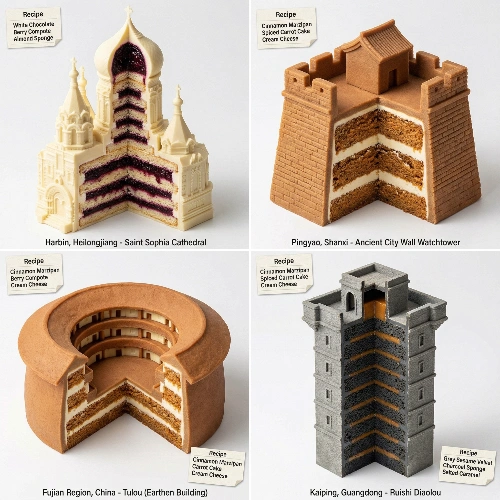
Pastry-Architectural Hidden Gems
input = China --- <instructions> input=continent or country. Find 4 less famous cities or regions, analyze deeply and select their most architecturally distinct building. Function DrawCity($lesser_known){ Concept: Architectural Cross-Section - The building's form containing complex pastry layers. Process: 1. SELECT TARGET: Identify $ BuildingName. 2. EXTRACT GEOMETRY: Define $ Silhouette (The outer profile). Do not simplify the geometry. 3. DEFINE INTERIOR ($FlavorProfile): - Assign distinct color contrast layers (e.g., Red Velvet inside White Marble, Matcha Sponge inside Grey Concrete, Gold flakes in Jelly). 4. SURGICAL SLICE: - Remove 1/4 of the structure or create a vertical cross-section. - CRITICAL: The cut must be clean and sharp. It must reveal $ FlavorProfile layers inside the walls/floors. - The remaining 3/4 of the building must remain architecturally perfect. 5. MATERIAL MAPPING (Apply texture to Exterior): IF Gothic/Ornate → Ext: White Chocolate Sculpting // interior: Layers of dark berry compote & almond sponge. IF Modern/Glass → Ext: Isomalt panes & Mirror Glaze // interior: : Geometric cubes of mango mousse & coconut dacquoise. IF Brutalist/Concrete → Ext: Grey Sesame Velvet Spray // interior: : Dense strata of charcoal sponge & salted caramel. IF Adobe/Organic → Ext: Cinnamon Marzipan // interior: : Spiced carrot cake & cream cheese strata. 6. EXECUTE: Macro shot, 45-degree angle, sharp focus on the "cut" to show texture. } Output: 2x2 grid. Run DrawCity($lesser_known) 4 times. Label: Bottom of each image "City, State/Country - Building Name". Include: A small visual recipe card in corner listing the "Internal Layers". </instructions>

16K Abstract Sun Vibe
{ "prompt": "Create stunning 16K wallpapers showcasing the sun in various attractive styles, highlighting vibrant colors and dynamic lighting effects", "style": "abstract art", "resolution": "16K", "colors": ["orange", "yellow", "red", "pink", "golden"], "elements": ["sun rays", "solar flares", "clouds", "sunset", "starburst"] }

Candid High-Angle Slice
A high-angle tilt-shift cinematic image of the character captured naturally doing an everyday activity. The moment must feel candid and unstaged, like a quiet slice of life observed from above. Likeness Preservation Maintain exact proportions, eye shape, spacing, stylization, and material identity from the reference. Do not humanize. Do not reinterpret anatomy. Do not exaggerate realism. Camera & Perspective High-angle, slightly offset bird’s-eye view. Subtle isometric feeling. Equivalent to a 35mm lens adapted for tilt-shift photography. The character fills approximately 60–65% of the frame vertically. Breathing room above the head. Visible ground plane beneath. No extreme distortion. Focus Discipline (CRITICAL) Extremely shallow depth of field. Only the face and upper torso must be razor sharp. Hands interacting with an object may also be sharp. Lower legs and shoes must be slightly softened. Ground surface must progressively soften toward the bottom edge. Top and bottom edges must show strong optical tilt-shift blur. The focus band must be narrow and centered horizontally. No full-body sharpness. Pose Behavior The character must be naturally engaged in a daily action. Movement must feel subtle and believable. No staged hero poses. No exaggerated symmetry. Silhouette must remain clean and readable. Props or minimal furniture may be included only if necessary to support the action. Keep them simple and secondary. Lighting Control Bright natural daylight with firm directional key light. Light must carve the form clearly. Defined shadow under feet or object. Crisp shadow edge on ground. Subtle rim light separating character from background. No flat studio wash. No overly diffused light. Background Discipline Abstract minimal environment. Soft tonal gradient. Slight atmospheric depth. No detailed storytelling clutter. No heavy furniture unless essential to action. Background must support the character, not compete. Background Directional Structure (CRITICAL) Upper third of frame must contain soft luminous bokeh shapes or circular light blobs, gently out of focus, slightly brighter than mid-ground. Mid-ground remains neutral and unobtrusive. Lower ground plane must have subtle diagonal orientation, with a light-to-dark gradient guiding the eye upward toward the character’s head. Ground texture may contain faint linear perspective cues, but remain soft and minimal. The tonal gradient must travel from slightly darker bottom edge toward brighter mid-upper region behind the head. No flat monotone background. Color & Material Character slightly higher saturation than background. Background slightly muted. Clean premium collectible finish. Subtle surface sheen. No gritty realism. No artificial wear. Emotion Calm presence. Quiet confidence. A simple daily act elevated through composition and light. Not dramatic. Not heroic. Intimate but cinematic. Negative Lock No full-body sharpness No flat background No cluttered environment No stiff symmetrical pose No soft diffused lighting No dramatic battle energy No exaggerated realism